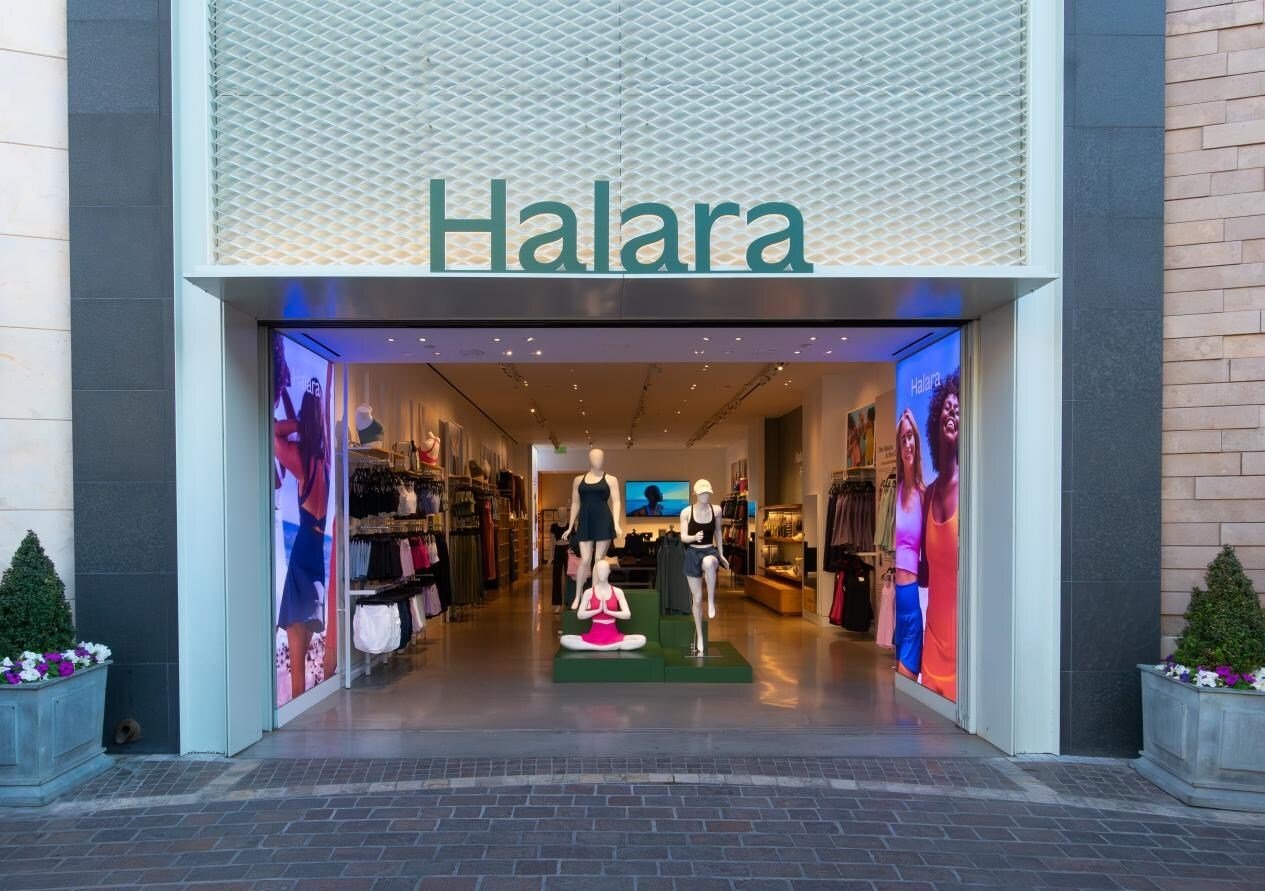
Halara has quickly become a viral activewear brand known for stylish dresses and workout sets.
But a key question remains: Who actually owns the Halara company?
Below is a well-structured, SEO-ready deep dive with clickable Table of Contents and authoritative references.
Table of Contents
- Quick Answer
- Founder Story
- Ownership Structure Explained
- Funding and Investors
- Why Private Companies Are Hard to Track
- What This Means for Buyers and B2B Partners
- Comparison Table: Halara vs Similar DTC Brands
- FAQ
- References & Further Reading
- About fukiyoga.com
Quick Answer
- Founder & CEO: Joyce Zhang

- Ownership Type: Privately held
- Outside Investors: Yes (venture capital and strategic partners)
- Public Company? No
In short: Halara remains a founder-led, privately owned company.
Venture funding supports growth, but no global apparel group owns Halara outright.
Founder Story
Understanding the founder provides insight into Halara’s DNA:
- Joyce Zhang founded Halara in 2020 and is frequently listed as CEO.
- Headquarters are in Hong Kong, with operations focused on global e-commerce.
- From day one, Halara built a social-first identity, using TikTok and Instagram to reach a Gen Z audience.
- The brand emphasizes community-driven design and quick product development.
Ownership Structure Explained
“Who owns Halara” can mean several things. Here’s a clear breakdown:
| Perspective | What It Means | Halara’s Case |
|---|---|---|
| Legal ownership | Equity and voting shares | Primarily Joyce Zhang and early investors |
| Management control | Who makes key daily decisions | Joyce Zhang |
| Investor influence | Role of venture capital or strategic investors | Present but not controlling |
| Public accountability | Required disclosures | Minimal, as Halara is not publicly traded |
Funding and Investors
Halara has raised capital to scale operations and marketing:
- Early venture funding came from Asia-based VC firms and angel investors.
- Investments supported technology, supply chain optimization, and global marketing campaigns.
- No record shows a full acquisition or controlling stake by a single investor.
As of now, founder leadership remains central, with investors as supporting partners.
Why Private Companies Are Hard to Track
Because Halara is private:
- It does not file public annual reports like a listed company.
- Exact shareholder percentages are not disclosed.
- Any major changes may only be revealed through selective press releases or business filings.
Therefore, current evidence supports the conclusion of founder-led private ownership.
What This Means for Buyers and B2B Partners
Ownership shapes brand trust and long-term stability.
Whether you’re a consumer or a wholesale partner, here’s why it matters:
| Scenario | Why It Matters | Takeaway |
|---|---|---|
| Retail customers | Brand consistency and creative direction | Founder-led companies often stay true to their original style and quality |
| Wholesale / B2B partners | Reliability in supply and decision-making | Direct founder influence can enable faster custom approvals |
| Investors / analysts | Future IPO or acquisition potential | Monitor industry news for funding or buyout announcements |
Comparison Table: Halara vs Similar DTC Brands
| Brand | Ownership | Public or Private | Key Differentiator |
|---|---|---|---|
| Halara | Founder-led + venture backing | Private | TikTok-driven growth |
| Gymshark | Founder-led + private equity | Private | Community-based marketing |
| Alo Yoga | Privately held, investor-backed | Private | Premium yoga focus |
| Lululemon | Public | Public | Global retail footprint |
This highlights Halara’s mix of independence and VC support.
FAQ
Q1: Is Halara publicly traded?
No. Halara is privately held and not listed on any stock exchange.
Q2: Who is the founder of Halara?
Joyce Zhang is the founder and CEO.
Q3: Has Halara been acquired by a major fashion conglomerate?
No. There is no credible evidence of an acquisition.
Q4: Could ownership change in the future?
Yes. Private companies often pursue new funding rounds, mergers, or an IPO.
Q5: Does ownership affect product quality or design?
Yes. Founder-led brands are typically more agile and responsive to customer feedback than those owned by large corporations.
References & Further Reading
- Halara – Wikipedia
- Forbes on Halara’s TikTok strategy
- Marketing Brew on influencer growth
- Business of Fashion on DTC brands
About fukiyoga.com
This article is brought to you by fukiyoga.com – a professional B2B yoga and activewear manufacturer.
If you are a brand owner or private-label entrepreneur looking for custom yoga apparel, low-MOQ manufacturing, or advanced printing options, visit us to explore OEM/ODM services.