If you’ve ever looked at your Lululemon tag and wondered — “where are these made?” — you’re not alone.
As a professional working in activewear manufacturing, I’ve studied Lululemon’s production model and how it balances quality, ethics, and global sourcing.
Here’s a full breakdown of where Lululemon makes its clothes, what makes its supply chain unique, and how manufacturers like FuKi Yoga support similar ethical production for yoga and activewear brands.
Table of Contents
- Quick Answer
- 1. Where Lululemon Manufactures in 2025
- 2. Why Lululemon Doesn’t Manufacture in Canada or the US
- 3. How Lululemon Ensures Ethical Production
- 4. The Role of Fabric Innovation in Global Manufacturing
- 5. Lululemon vs Other Yoga Brands’ Supply Chains
- FAQs
- FuKi Yoga: Supporting Transparent OEM Manufacturing
Quick Answer
Lululemon’s clothes are primarily made in Vietnam, China, and Sri Lanka, with additional production in Bangladesh, Indonesia, and Peru.
While the company is based in Canada, it partners with certified factories across Asia and South America to balance quality, scalability, and sustainability.
1. Where Lululemon Manufactures in 2025
Lululemon works with more than 50 manufacturing partners worldwide, focusing on technical expertise and ethical labor standards.
| Country | Primary Products | Key Strengths |
|---|---|---|
| Vietnam | Leggings, tops | Precision stitching, consistent quality |
| China | Sports bras, accessories | Advanced knitting and dyeing |
| Sri Lanka | Yoga pants, underwear | Ethical manufacturing, Fair Trade certified |
| Bangladesh | Basics and casualwear | Large-scale production |
| Peru | Cotton-based loungewear | Premium organic cotton |
| Indonesia | Swimwear, performance wear | Stretch fabric expertise |
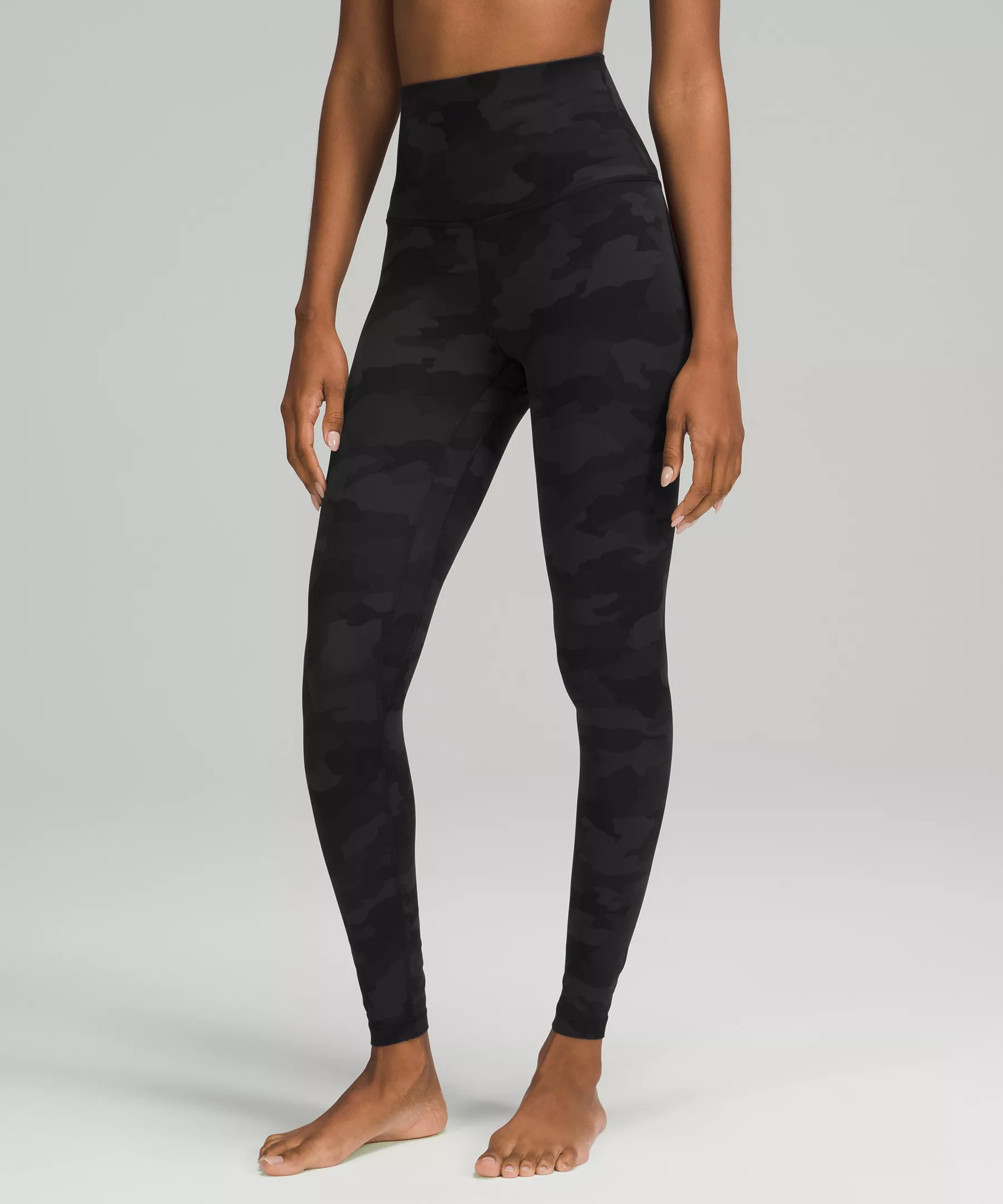
💬 Lululemon’s sourcing strategy focuses on diversified risk — ensuring production isn’t concentrated in one region.
2. Why Lululemon Doesn’t Manufacture in Canada or the US
Despite being a Canadian brand, Lululemon doesn’t produce domestically for one main reason: cost and scalability.
Producing high-quality technical fabrics like Nulu™ or Everlux™ requires specialized machinery and labor that’s more accessible in Asia.
Key factors:
- High labor costs in North America
- Limited textile infrastructure for yoga wear
- Demand for advanced dyeing and bonding technology
That said, Lululemon maintains design and product testing teams in Vancouver and Los Angeles to preserve creative control.
3. How Lululemon Ensures Ethical Production
Lululemon’s supply chain is audited through its Vendor Code of Ethics and Sustainable Impact Strategy 2025.
Ethical Commitments:
- Fair wages and working conditions
- No child or forced labor
- Independent third-party audits
- Environmental impact reporting
Lululemon also publishes a Factory List annually for transparency — a rare move among global apparel brands.
4. The Role of Fabric Innovation in Global Manufacturing
Lululemon’s success isn’t just about where it’s made — it’s about how it’s made.
The company invests heavily in fabric technology, often developing proprietary blends like:
| Fabric | Key Features | Made In |
|---|---|---|
| Nulu™ | Buttery soft, weightless | Vietnam & China |
| Luxtreme™ | Smooth, compressive, sweat-wicking | Sri Lanka |
| Everlux™ | Quick-dry for hot yoga | Indonesia |
💡 The brand’s emphasis on innovation has inspired smaller OEMs — including FuKi Yoga — to create sustainable alternatives using recycled nylon and eco-certified spandex.
5. Lululemon vs Other Yoga Brands’ Supply Chains
| Brand | Manufacturing Countries | Transparency Level | Sustainability |
|---|---|---|---|
| Lululemon | Vietnam, China, Sri Lanka | High | Moderate |
| Alo Yoga | China, Vietnam | Medium | Moderate |
| Girlfriend Collective | Vietnam | High | High |
| DK Active | Australia | Very High | Very High |
| FuKi Yoga | China, Vietnam (OEM/ODM) | High | Very High |

🧩 At FuKi Yoga, we partner with global brands that want to maintain Lululemon-level quality while ensuring full ethical transparency.
FAQs
Q1: Does Lululemon own its factories?
No — it partners with independent suppliers but maintains strict quality and ethics standards.
Q2: Are Lululemon’s products made ethically?
Yes, most are produced in certified, audited facilities with fair labor practices.
Q3: Why is most production in Asia?
Because Asian factories specialize in high-performance, technical fabrics at scale.
Q4: Does Lululemon plan to bring production back to North America?
Not at large scale — but limited prototyping and sampling are done in Vancouver and California.
Q5: Can smaller yoga brands manufacture ethically too?
Absolutely. FuKi Yoga offers sustainable OEM production with transparency and flexibility.
FuKi Yoga: Supporting Transparent OEM Manufacturing
At FuKi Yoga, we believe transparency and craftsmanship define a brand’s value — not just price.
We help yoga and activewear labels build ethical, scalable, and eco-conscious production systems.
Our Advantages:
- ♻️ Recycled & organic fabrics
- 🧵 Professional OEM/ODM manufacturing
- 🌍 Ethical, audited factories
- 💼 Low MOQ (100 pcs) for startups
- 🚀 Fast, global delivery
Whether you’re a startup or scaling brand, we make it possible to combine premium quality and ethical production — just like Lululemon.
👉 Learn more: fukiyoga.com/service/oem-odm-service/