
You’ve probably seen Alo Yoga all over Instagram — celebrities, influencers, and yogis all seem obsessed with it.
But is Alo Yoga really worth the hype, or just another overpriced brand with great marketing?
As someone deeply involved in yoga wear manufacturing and product sourcing, I’ve personally tested Alo’s fabrics and compared them with other premium activewear brands.
Here’s an honest, structured look at what makes Alo Yoga stand out — and what you should know before buying (or building your own brand).
Table of Contents
- Quick Answer
- 1. The Brand Behind the Hype
- 2. Fabric and Feel: Does It Match the Luxury Image?
- 3. Fit and Functionality: Yoga-Approved or Streetwear-Driven?
- 4. Price vs Value: What Are You Paying For?
- 5. Alo Yoga vs Other Premium Activewear Brands
- 6. Who Should Buy Alo Yoga (and Who Shouldn’t)
- FAQs
- FuKi Yoga: Helping Brands Build Their Own “Alo-Level” Activewear
Quick Answer
✅ Yes, Alo Yoga is worth the hype — if you value luxury design, premium fabric, and social media presence.
It’s not just gym wear; it’s lifestyle fashion for yoga lovers and influencers alike.
However, if you’re looking for more sustainable or budget-friendly options, there are better alternatives.
1. The Brand Behind the Hype
Founded in Los Angeles in 2007, Alo Yoga’s mission is to “inspire mindful movement.”
But beyond that, the brand’s true success lies in positioning itself as luxury lifestyle activewear — worn both on and off the mat.
Why it works:
- Celebrity endorsements (Kendall Jenner, Hailey Bieber)
- Minimalist, high-end visuals
- Strong influencer and social media community
- Premium retail presence (New York, LA, London)

💬 Alo Yoga sells aspiration — not just apparel.
2. Fabric and Feel: Does It Match the Luxury Image?
Alo Yoga’s fabrics feel expensive — because they are designed to.
| Fabric | Key Features | Similar Grade |
|---|---|---|
| Airlift™ | Silky smooth, compressive, sweat-resistant | Comparable to Lululemon’s Luxtreme™ |
| Alosoft™ | Brushed, ultra-soft, cozy | Similar to Vuori’s DreamKnit™ |
| Airlux™ | Lightweight and breathable | Great for studio or travel wear |
In testing, I found Airlift™ leggings outperform fast-fashion yoga pants by a wide margin in both elasticity and opacity.
However, Alo’s materials are less eco-focused than brands like Girlfriend Collective or DK Active.
3. Fit and Functionality: Yoga-Approved or Streetwear-Driven?
Alo’s leggings, bras, and crop tops are designed for both yoga and everyday wear — but many buyers use them more for fashion than fitness.
Fit observations:
- Sculpted waistlines that flatter body shape
- Medium compression — supportive but not restrictive
- Stylish cuts suited for layering with outerwear
- Slightly less durable under heavy athletic use
💬 If you’re doing power yoga or HIIT, Alo may feel more “fashion-forward” than “performance-first.”
4. Price vs Value: What Are You Paying For?
Let’s be honest — Alo Yoga is expensive.
A single pair of leggings costs between $98–$128, comparable to Lululemon or Beyond Yoga.
| Product | Price (USD) | Value Justification |
|---|---|---|
| Airlift Leggings | $118 | Premium texture + design |
| Alosoft Lounge Set | $145 | Comfort & versatility |
| Airlux Bra | $72 | Minimalist luxury branding |
You’re paying not only for fabric and fit, but also image and community — similar to how Apple sells lifestyle, not just hardware.
5. Alo Yoga vs Other Premium Activewear Brands
| Brand | Focus | Strength | Weakness |
|---|---|---|---|
| Alo Yoga | Yoga × fashion | Aesthetic + influencer reach | Expensive |
| Lululemon | Performance | Fit + innovation | Less trend-driven |
| Vuori | Lifestyle comfort | Softest fabric | Less luxury look |
| DK Active | Ethical local brand | Sustainability | Limited global reach |
| FuKi Yoga | OEM/ODM yoga wear | Custom eco fabrics + low MOQ | B2B only |
🧩 At FuKi Yoga, we help brands create premium yoga wear that matches Alo’s aesthetic — but with sustainable, ethical production.
6. Who Should Buy Alo Yoga (and Who Shouldn’t)
Alo Yoga is perfect for:
- 🧘♀️ Yogis who value high-end design and soft textures
- 👗 Influencers or fashion-conscious customers
- 🌍 Those seeking premium branding and social recognition
It might not be ideal for:
- 💰 Budget-conscious shoppers
- 🌿 Buyers prioritizing sustainability
- 🏋️♀️ Athletes needing high compression or durability
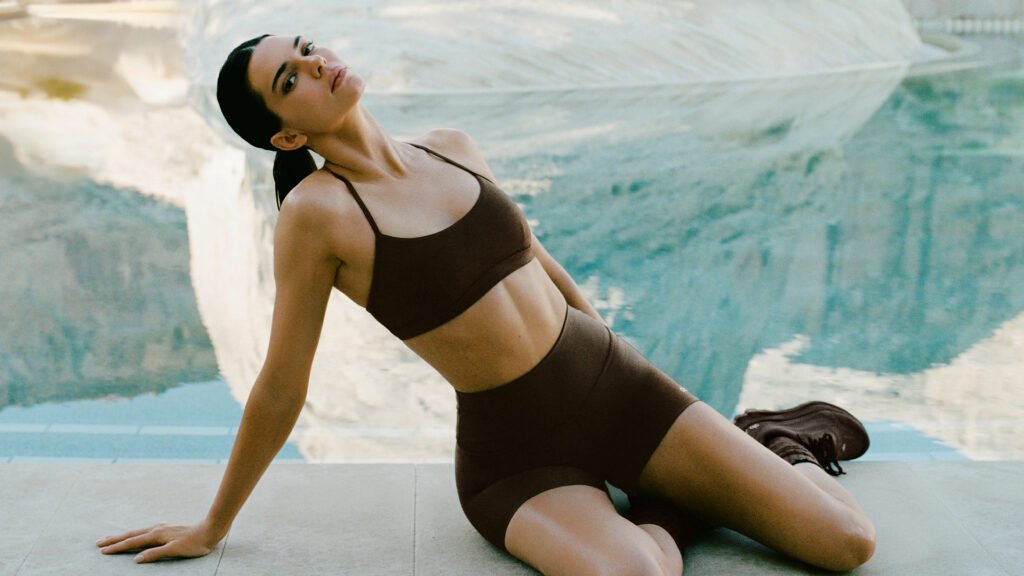
💬 In short, Alo is luxury athleisure, not hardcore performance wear.
FAQs
Q1: Why is Alo Yoga so popular?
Because it bridges yoga culture and streetwear — with premium aesthetics and influencer power.
Q2: Is Alo Yoga sustainable?
Partially. They’re improving fabric sourcing but are not fully eco-certified yet.
Q3: Are Alo Yoga leggings worth $100+?
Yes, if you care about feel, fit, and fashion. No, if you just need functional activewear.
Q4: Who owns Alo Yoga?
It’s privately owned by co-founders Danny Harris and Marco DeGeorge, based in Los Angeles.
Q5: What are alternatives to Alo Yoga?
Brands like Lululemon, Vuori, and FuKi Yoga offer high-quality, performance-based options at different price points.
FuKi Yoga: Helping Brands Build Their Own “Alo-Level” Activewear
At FuKi Yoga, we help global brands develop yoga wear that feels luxurious — but is ethically produced and fully customizable.
Why brands choose us:
- ♻️ Eco-friendly & recycled fabrics
- 🧵 Premium OEM/ODM yoga wear production
- 🌍 Ethical, audited factories
- 💼 Low MOQ (100 pcs) — perfect for emerging labels
- 🚀 Worldwide shipping and private labeling
If you’re building your own high-end yoga brand,
FuKi Yoga can help you design, produce, and deliver sustainable collections that rival Alo Yoga in both quality and style.
👉 Explore more: fukiyoga.com/service/oem-odm-service/