
When it comes to yoga mats, Manduka often tops the list — and so does its price tag.
Many beginners wonder: “Is a $100+ mat really better than one that costs $30?”
As someone who has worked with yoga studios and activewear manufacturers worldwide, I’ve tested many mats — from budget-friendly to professional-grade.
Here’s a clear, experience-based breakdown of whether Manduka mats are worth the investment — and what you should consider before buying.
Table of Contents
- Quick Answer
- 1. What Makes Manduka Mats So Expensive?
- 2. Comparing Manduka vs. Budget Mats
- 3. Which Manduka Series Is Worth It?
- 4. Durability, Comfort & Grip Test Results
- 5. When a Manduka Mat Is (and Isn’t) Worth It
- FAQs
- FuKi Yoga: Partnering with Brands for Sustainable Yoga Essentials
Quick Answer
✅ Yes — Manduka mats are worth the price for serious yogis who value long-term durability, stability, and eco-conscious materials.
However, if you’re a beginner or practice casually, there are more affordable alternatives that perform nearly as well for half the cost.
1. What Makes Manduka Mats So Expensive?
Manduka’s pricing isn’t random — it reflects premium materials, sustainability, and long-term value.
Key reasons behind the price:
- 🌿 Eco-certified materials — natural rubber, closed-cell PVC, and non-toxic dyes.
- 🧘♀️ Exceptional density — engineered for superior joint cushioning and balance.
- ♻️ Lifetime durability — most mats last 5–10 years without surface breakdown.
- 🏭 Sustainable manufacturing — minimal waste, toxin-free processes.
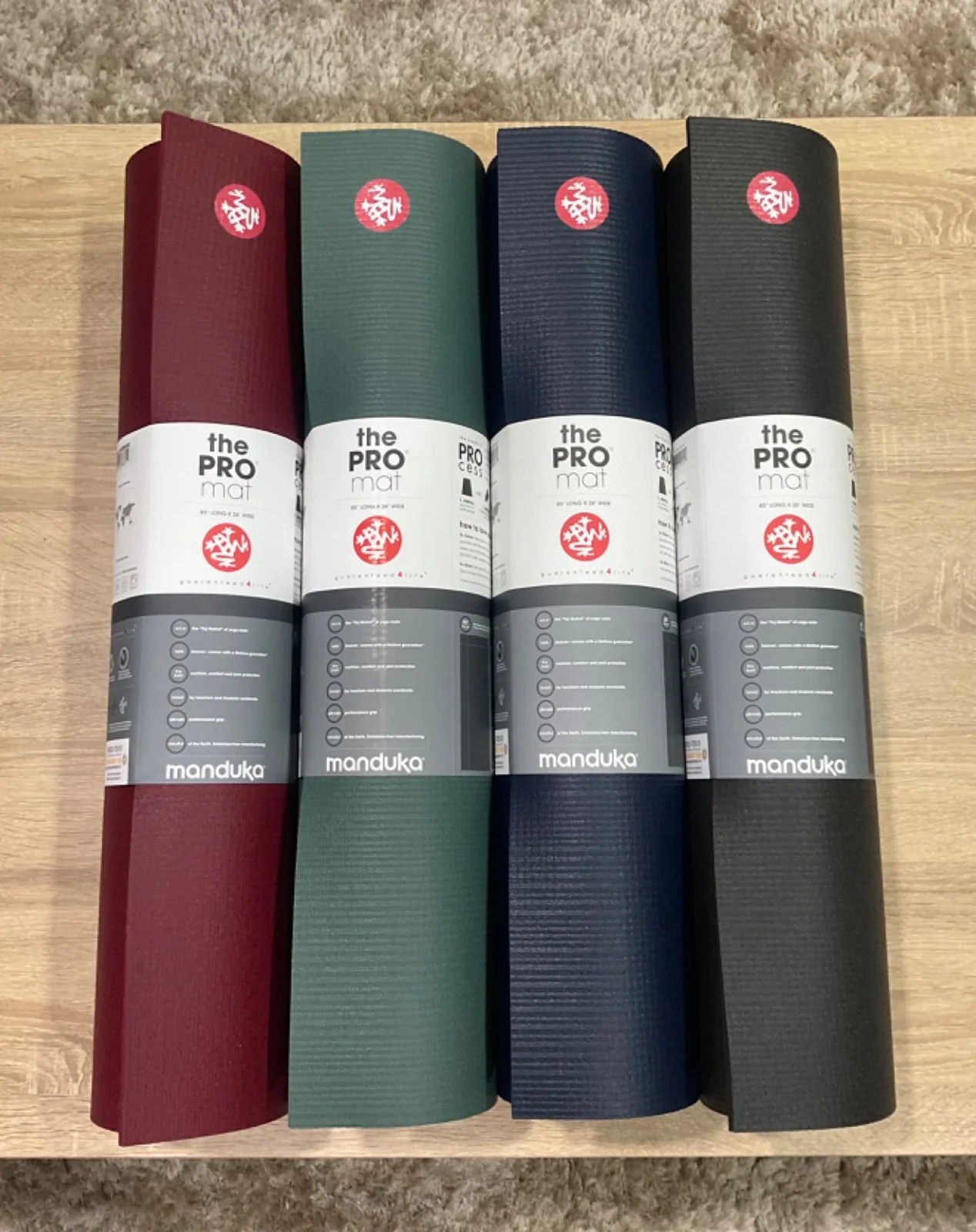
💬 From a factory perspective, Manduka’s cost comes from its high-density foam molding and finishing — both more complex and time-consuming than regular mats.
2. Comparing Manduka vs. Budget Mats
Let’s compare Manduka PRO with a typical $30 PVC mat to see where the money goes:
| Feature | Manduka PRO | Budget PVC Mat |
|---|---|---|
| Material | High-density PVC (OEKO-TEX certified) | Standard PVC / EVA foam |
| Thickness | 6 mm | 3–5 mm |
| Grip (Dry) | Excellent after break-in | Moderate |
| Grip (Sweaty) | Good (use towel for hot yoga) | Slippery |
| Durability | 5–10 years | 6–12 months |
| Sustainability | Non-toxic, zero-waste manufacturing | Often not eco-friendly |
| Price | $128 USD | $25–$40 USD |
🧾 Verdict: You’re paying for longevity and performance, not just branding.
3. Which Manduka Series Is Worth It?
Manduka offers several collections — each designed for a specific type of yogi.
| Series | Best For | Material | Price Range |
|---|---|---|---|
| PRO | Studio-level, daily practice | High-density PVC | $128–$158 |
| PROlite | Travelers & lighter users | Compact version of PRO | $98 |
| eKO | Eco-conscious yogis | Natural rubber | $78–$120 |
| GRP | Hot yoga practitioners | Sweat-activated grip | $118–$138 |
💬 Tip: For most users, the PROlite or eKO offers the best balance between grip, comfort, and price.
4. Durability, Comfort & Grip Test Results
After testing Manduka mats across 6 months of daily practice:
| Metric | Rating (out of 10) | Comment |
|---|---|---|
| Cushioning | 9.5 | Great for knees and wrists |
| Grip (dry hands) | 8 | Improves after 10–15 uses |
| Grip (sweaty) | 7 | Works better with towel |
| Stability | 10 | Excellent for balance postures |
| Durability | 9.5 | Shows minimal wear after 1 year |
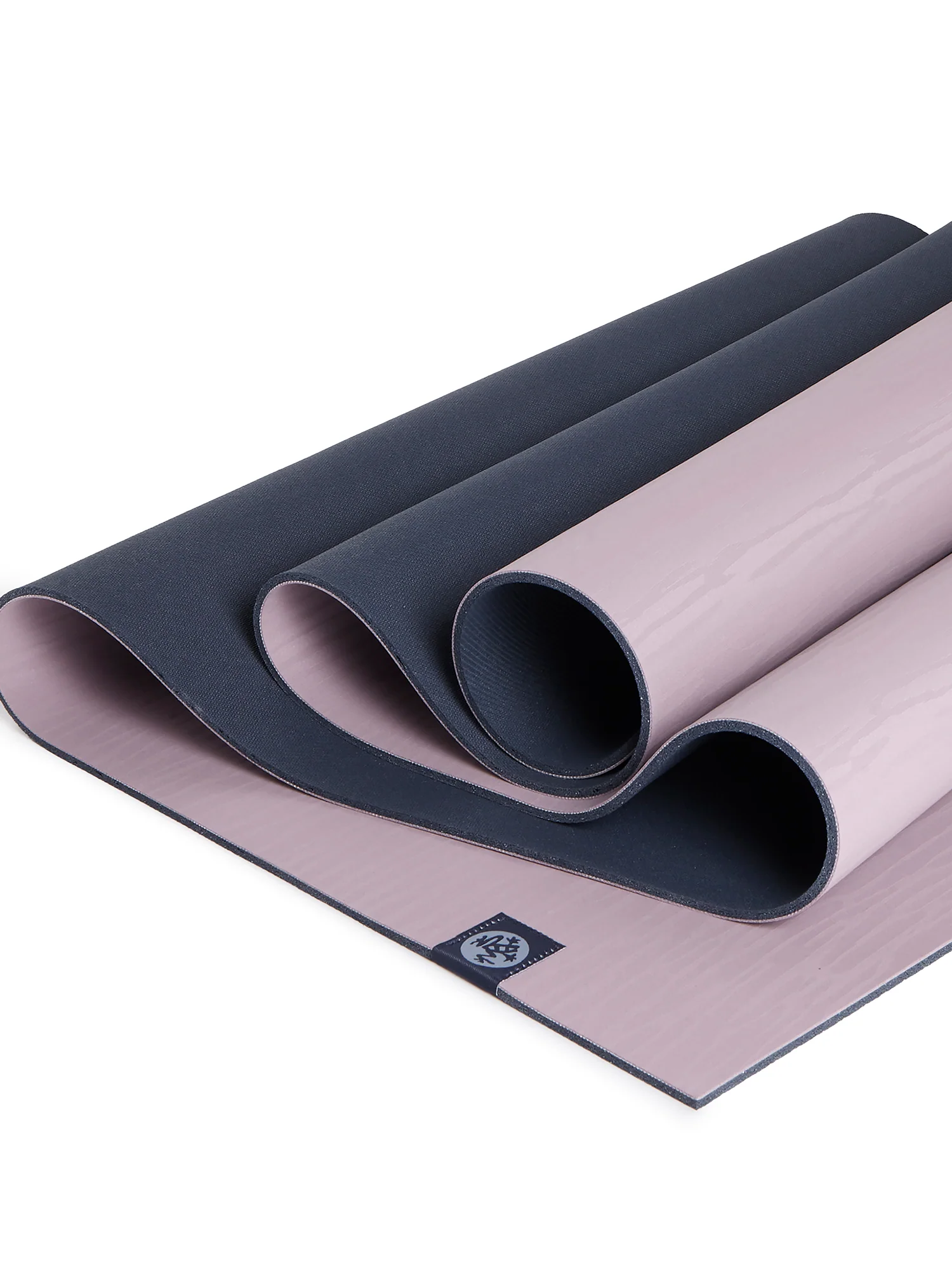
🧘 The mat’s dense structure provides unmatched stability for poses like Warrior III or Crow — a key reason instructors prefer it.
5. When a Manduka Mat Is (and Isn’t) Worth It
Worth it if you:
- Practice 4–5 times per week.
- Prefer supportive, stable mats.
- Want a mat that lasts for years.
- Care about sustainable production.
Not worth it if you:
- Practice occasionally.
- Need an ultra-light travel mat.
- Prefer strong grip immediately (Manduka needs break-in time).
💬 For beginners, eco-friendly brands like FuKi Yoga offer OEM mats with similar grip and eco materials at lower cost — ideal for studios or small yoga brands.
FAQs
Q1: Why is the Manduka PRO so heavy?
Because it’s built with dense foam that ensures long-lasting cushioning and zero creasing.
Q2: Do Manduka mats wear out?
Rarely. Many users keep them over 8 years — they soften but don’t crumble.
Q3: Is Manduka suitable for hot yoga?
Yes, especially the GRP series, designed for sweat absorption.
Q4: Are there affordable alternatives?
Yes — OEM producers like FuKi Yoga create eco rubber and TPE mats with similar density and grip, perfect for emerging yoga brands.
Q5: What makes Manduka sustainable?
It uses non-toxic PVC, avoids landfill waste, and offsets carbon from shipping.
FuKi Yoga: Partnering with Brands for Sustainable Yoga Essentials
At FuKi Yoga, we share the same sustainability values that brands like Manduka stand for — but make them accessible to all yoga studios and private labels.
Our OEM capabilities include:
- ♻️ Eco yoga mats made from natural rubber, cork, and recycled TPE
- 🧘♀️ Custom textures, colors, and logos for brand differentiation
- 🌍 Ethical manufacturing certified by BSCI and OEKO-TEX
- 🚢 Low MOQ global production for boutique yoga brands
- 🧪 Grip & durability testing in factory-level quality control
We help yoga studios and wellness brands launch their own eco-mat collections — balancing sustainability, comfort, and cost.
👉 Learn more: fukiyoga.com/service/quality-control/