
Girlfriend Collective is one of the most sustainability-focused activewear brands today.
As someone who works closely with fabric mills and eco-conscious yoga brands, I often get asked:
“What materials does Girlfriend Collective actually use, and are they really sustainable?”
Here’s the simplest, clearest breakdown based on real supply-chain insight.
Table of Contents
- Quick Answer
- 1. The Core Materials Used by Girlfriend Collective
- 2. Why These Materials Are Considered Sustainable
- 3. Girlfriend Collective vs Other Eco-Friendly Brands
- 4. Who Girlfriend Collective Is Best For
- FAQs
- Build Eco-Friendly Activewear With FuKi Yoga
Quick Answer
Girlfriend Collective uses recycled polyester (RPET), recycled nylon, ECONYL®, cupro, organic cotton, and low-impact dyes.
These materials help reduce plastic waste, lower emissions, and support long-lasting durability.
From my experience sourcing sustainable fabrics, Girlfriend Collective is one of the most consistent brands in the eco-activewear category.

1. The Core Materials Used by Girlfriend Collective
Girlfriend Collective builds its entire brand around sustainability-driven textiles.
Here are their main materials and what they’re used for:
1. Recycled Polyester (RPET)
Made from:
- post-consumer plastic bottles
- industrial waste
Used in:
- leggings
- bras
- outerwear
2. Recycled Nylon
Created from pre-consumer waste such as industrial nylon scraps.
Used for:
- compressive leggings
- supportive sports bras
3. ECONYL® Regenerated Nylon
Produced from:
- fishing nets
- ocean waste
- discarded nylon carpets
Used for:
- higher-performance leggings
- swimwear
4. Cupro
A silky, plant-derived fiber made from cotton linter (a byproduct of cotton processing).
Used in:
- soft loungewear
- drapey tops
5. Organic Cotton
Certified organic, grown without toxic pesticides.
Used in:
- tees
- sweats
- lifestyle pieces
6. Low-Impact Dyes
Chosen to reduce:
- water pollution
- processing waste
- environmental impact
This combination gives Girlfriend Collective both performance and eco credibility.
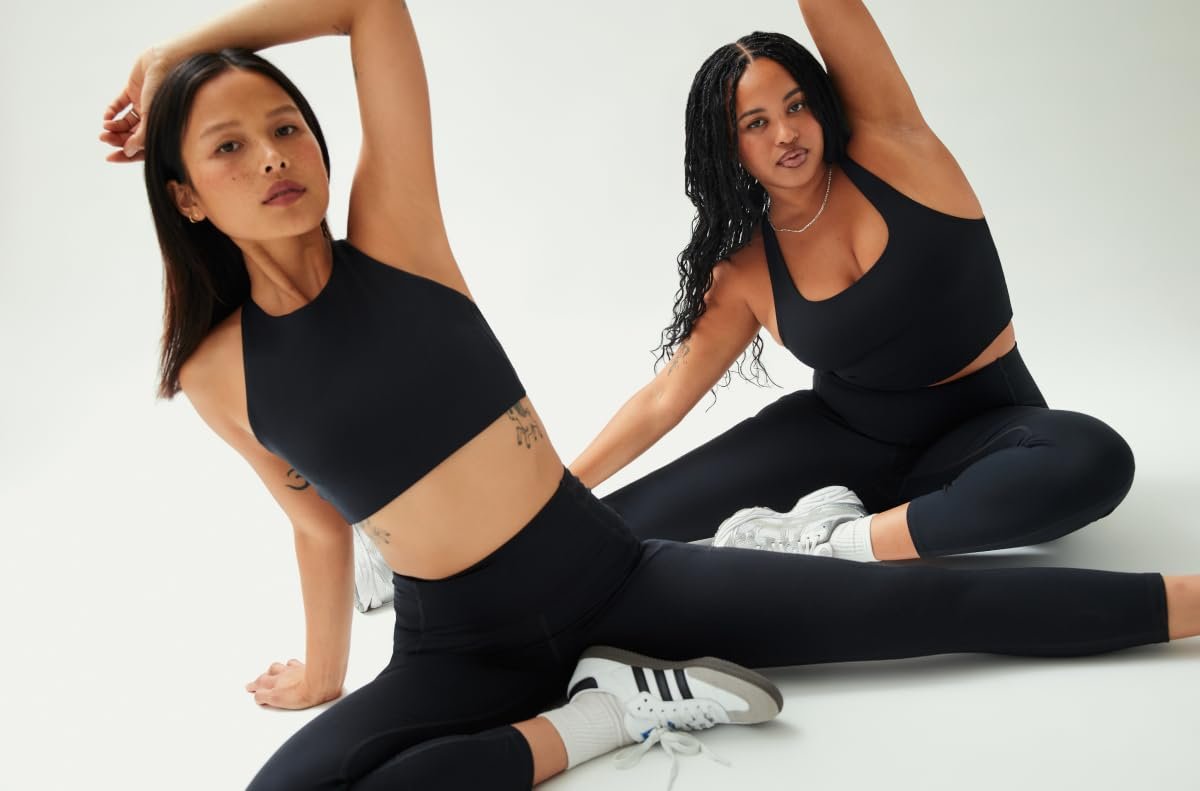
2. Why These Materials Are Considered Sustainable
These fibers reduce environmental impact in multiple ways:
A. Waste Reduction
RPET and regenerated nylon divert waste from:
- oceans
- landfills
- industrial factories
B. Lower Energy Consumption
Recycled fibers use significantly less energy than virgin polyester or nylon.
C. Closed-Loop Potential
Materials like ECONYL® can be recycled repeatedly without losing quality.
D. Safer Processing
Low-impact dyes reduce water contamination and chemical residue.
From my work with eco-fabric suppliers, this mix represents a best-practice approach for sustainable athleisure.
3-girlfriend-collective-vs-other-eco-friendly-activewear-brands
| Brand | Key Materials | Strength | Sustainability Level | Best For |
|---|---|---|---|---|
| Girlfriend Collective | RPET, recycled nylon, cupro | consistency + transparency | ⭐⭐⭐⭐⭐ | eco-first buyers |
| Patagonia | recycled polyester, wool | industry leadership | ⭐⭐⭐⭐⭐ | outdoor + active |
| Athleta | recycled fibers + TENCEL™ | balanced eco + performance | ⭐⭐⭐⭐ | yoga + lifestyle |
| Vuori | recycled polyester, DreamKnit | comfort focus | ⭐⭐⭐⭐ | athleisure |
Girlfriend Collective ranks among the top sustainability-forward brands, especially in the yoga/lifestyle category.
4-who-girlfriend-collective-is-best-for
👍 Best For
- eco-conscious shoppers
- people who prefer recycled materials
- yoga and pilates lovers
- fans of soft but supportive leggings
- minimalist, earth-tone wardrobes
👎 Not Ideal For
- high-compression athletes
- people wanting ultra-performance fabrics
- buyers seeking fast-fashion pricing
Girlfriend Collective focuses on comfort, sustainability, and long-term wearability — not extreme performance.
FAQs
Q1: Are Girlfriend Collective materials really sustainable?
Yes — they use verified recycled fibers, low-impact dyes, and circular materials like ECONYL®.
Q2: Are their fabrics soft?
Cupro and recycled polyester blends feel smooth and comfortable.
Q3: Are Girlfriend leggings breathable?
They are supportive with moderate breathability, good for yoga and daily wear.
Q4: Does Girlfriend Collective use natural fibers?
Yes — organic cotton and cupro for selected items.
Q5: Are these materials good for workouts?
Yoga, pilates, strength training, and light cardio — yes.
Very high-intensity workouts — not ideal.
Build Eco-Friendly Activewear With FuKi Yoga
If Girlfriend Collective’s sustainable material strategy inspires you,
👉 FuKi Yoga can help you develop eco-friendly athleisure and yoga wear using recycled and low-impact materials.
We Offer:
- RPET + recycled nylon fabrics
- soft cupro & organic material options
- sustainable dyeing and finishing
- low MOQ for emerging brands
- OEM/ODM development for leggings, bras, tees, outerwear
Start building your eco-forward line here:
FuKi Yoga OEM Service →