
Table of Contents
- Quick Answer
- 1. The Main Materials Used in Gaiam Yoga Mats
- 2. Why Gaiam Chooses These Materials
- 3. How These Materials Affect Grip, Comfort, and Durability
- 4. Gaiam Materials vs Premium Yoga Mat Materials
- 5. Are Gaiam Materials Right for You?
- FAQs
- Develop Yoga Mats With the Right Materials – FuKi Yoga
Quick Answer
Most Gaiam yoga mats are made from PVC or PVC-based foam, sometimes blended with synthetic rubber or lightweight cushioning layers.
From my experience reviewing yoga accessories and sourcing materials, Gaiam focuses on cost-effective, beginner-friendly materials rather than high-end natural rubber or proprietary compounds.
1. The Main Materials Used in Gaiam Yoga Mats
Gaiam offers several mat models, but the core materials are fairly consistent.
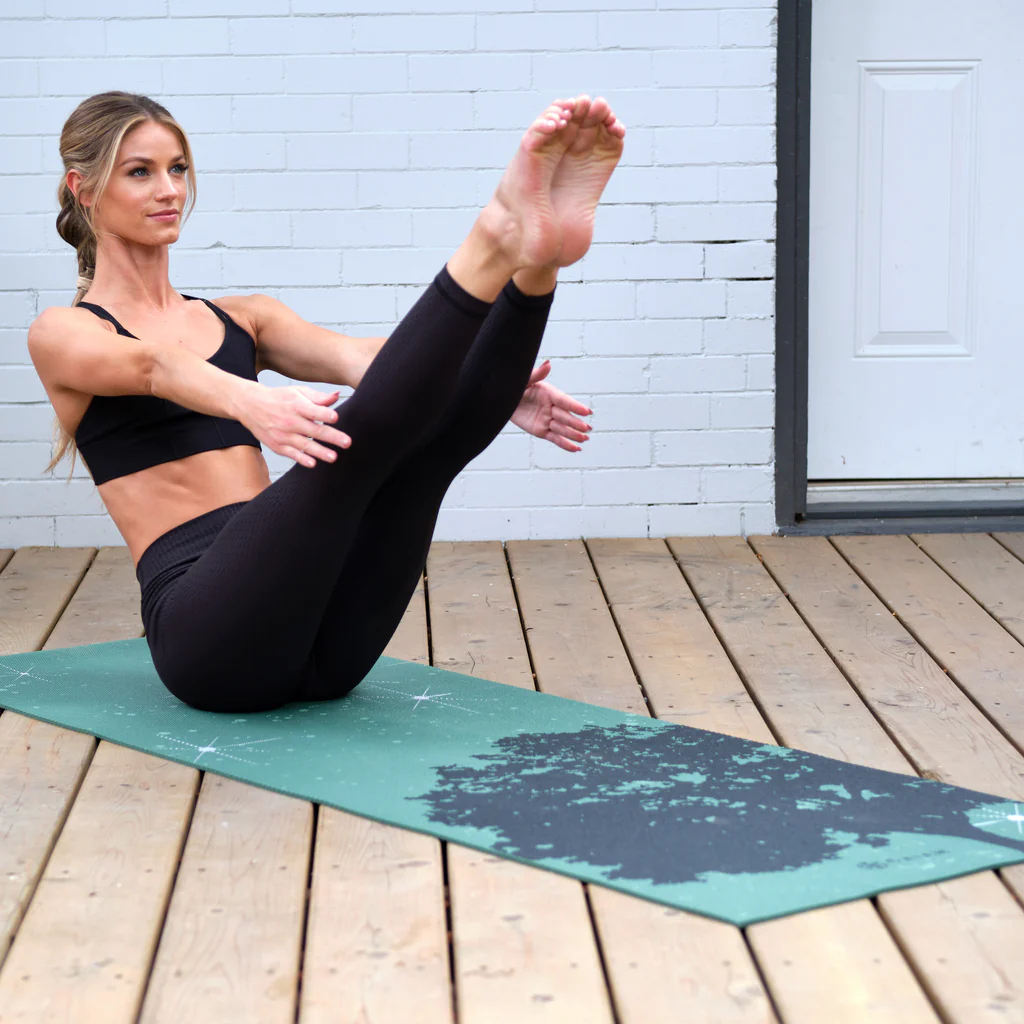
1. PVC (Polyvinyl Chloride)
This is the most common material used.
PVC mats provide:
- soft cushioning
- lightweight feel
- low production cost
- easy cleaning
However, PVC is:
- less durable long term
- more prone to surface wear
- not biodegradable
2. PVC Foam Blends
Some Gaiam mats use expanded or foamed PVC to increase comfort.
This results in:
- thicker feel (4–6mm)
- better knee support
- faster compression over time
3. Synthetic rubber elements (limited models)
A few designs incorporate synthetic rubber for:
- slightly improved grip
- added flexibility
These are still not equivalent to natural rubber used in premium mats.
2. Why Gaiam Chooses These Materials
From a manufacturing and market standpoint, Gaiam’s material choices make sense.
They prioritize:
- affordability
- wide accessibility
- beginner comfort
- mass retail compatibility
PVC-based materials allow Gaiam to:
- keep prices low
- offer colorful designs and prints
- maintain consistent supply
This aligns with Gaiam’s role as an entry-level yoga brand.
3. How These Materials Affect Grip, Comfort, and Durability
Here’s how Gaiam’s materials perform in real use:
| Feature | PVC-Based Gaiam Mats | Real-World Impact |
|---|---|---|
| Grip | moderate | fine for dry yoga |
| Cushioning | soft | joint-friendly |
| Sweat resistance | low | slippery when wet |
| Durability | moderate–low | wears faster |
| Weight | light | easy to carry |
From hands-on testing, PVC mats feel comfortable at first but lose texture and grip as the surface wears.
4. Gaiam Materials vs Premium Yoga Mat Materials
Comparing materials helps set expectations:
| Brand | Primary Material | Longevity |
|---|---|---|
| Gaiam | PVC / PVC foam | short–medium |
| Manduka | dense PVC compound | very long |
| Liforme | natural rubber + PU | medium–long |
| Lululemon | natural rubber | medium–long |
Key insight:
Material quality—not thickness alone—determines how long a mat performs well.
5. Are Gaiam Materials Right for You?
👍 Gaiam materials are a good fit if you:
- are new to yoga
- practice occasionally
- prefer soft cushioning
- want an affordable mat
- practice mostly dry yoga
👎 You may want other materials if you:
- practice hot or power yoga
- sweat heavily
- want strong grip
- prefer eco-focused materials
- expect long-term durability

Gaiam mats are best viewed as starter mats, not lifetime investments.
FAQs
Q1: Are Gaiam yoga mats made from natural rubber?
Most are not. They primarily use PVC-based materials.
Q2: Are Gaiam mats eco-friendly?
Some models are marketed as lower-impact, but PVC is not biodegradable.
Q3: Do Gaiam mats contain latex?
Most PVC mats are latex-free, but it’s best to check individual product descriptions.
Q4: Do PVC mats smell at first?
Yes, new PVC mats may have an odor that fades after airing out.
Develop Yoga Mats With the Right Materials – FuKi Yoga
Gaiam demonstrates how accessible materials help bring beginners into yoga, but material choices directly shape grip, durability, and brand positioning.
If you’re planning to create:
- private-label yoga mats
- beginner or mid-range yoga accessories
- better material alternatives at competitive pricing
👉 FuKi Yoga can help you select the right materials for your target market, from PVC-based options to natural rubber and advanced composites.
What We Support
- yoga mat material sourcing
- performance vs cost optimization
- low-MOQ OEM/ODM production
- quality and durability testing
Start building your yoga product line here:
FuKi Yoga OEM/ODM Service →