
Table of Contents
- Quick Answer
- 1. Adanola’s Ownership Structure
- 2. Is Adanola a Big Corporation Brand?
- 3. Why Adanola Has Stayed Privately Owned
- 4. What Ownership Means for the Brand’s Style
- 5. What Other Brands Can Learn From This
- FAQs
- Build a Founder-Led Brand With FuKi Yoga
Quick Answer
Adanola is privately owned and founder-led.
It is not owned by a major fashion conglomerate or public company.
That private ownership is a big reason Adanola has been able to grow quietly, stay trend-focused, and avoid overexposure.
1. Adanola’s Ownership Structure
Adanola operates as a privately held UK brand, meaning:
- it is not publicly traded
- it is not owned by a luxury group
- it is not controlled by a mass-market retailer
Instead, the brand is run by its founding team with full control over:
- product direction
- branding and visuals
- pricing strategy
- marketing pace

This structure gives Adanola flexibility that many fast-growing athleisure brands don’t have.
2. Is Adanola a Big Corporation Brand?
No—and that’s intentional.
Unlike brands owned by large groups, Adanola has not been acquired by:
- a luxury fashion house
- a U.S. activewear giant
- a private equity roll-up
| Brand Type | Ownership Style |
|---|---|
| Public activewear brands | Shareholder-driven |
| Conglomerate brands | Portfolio-driven |
| Adanola | Founder-driven |
That independence allows the brand to:
- release fewer collections
- avoid trend whiplash
- stay consistent in look and tone
This is why Adanola feels calm instead of noisy.
3. Why Adanola Has Stayed Privately Owned
From watching how modern DTC brands scale, staying private helps Adanola:
- grow organically
- avoid overproduction
- keep demand slightly ahead of supply
- maintain a “hard to get” feel
Many viral brands collapse after rapid funding and forced expansion.
Adanola chose a slower path:
grow through lifestyle relevance, not volume.
That strategy only works when founders keep control.
4. What Ownership Means for the Brand’s Style
Because Adanola isn’t answering to outside owners, it can stay focused on:
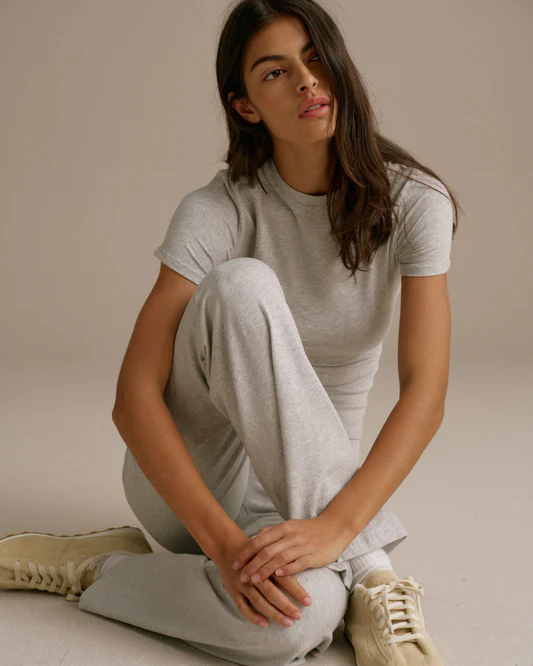
- minimalist design
- neutral palettes
- repeatable silhouettes
- lifestyle storytelling
| Ownership Model | Design Outcome |
|---|---|
| Investor-led | Fast trend cycling |
| Retail-led | Broad appeal |
| Founder-led (Adanola) | Consistent aesthetic |
This is why Adanola looks recognizable season after season.
It’s not chasing trends.
It’s reinforcing identity.
5. What Other Brands Can Learn From This
Adanola proves that you don’t need:
- celebrity ownership
- massive VC funding
- hundreds of SKUs
To build demand.
What you do need:
- clarity of audience
- control over product
- patience in growth
Ownership shapes everything downstream—especially brand trust.
FAQs
Q1: Is Adanola owned by a fashion group?
No. It remains privately owned.
Q2: Is Adanola publicly traded?
No. It’s not listed on any stock exchange.
Q3: Does private ownership affect quality?
Often positively—decisions aren’t rushed by external pressure.
Q4: Could Adanola be acquired in the future?
Possibly, but there’s no public indication of that right now.
Build a Founder-Led Brand With FuKi Yoga
Adanola shows how powerful founder control can be.
If you’re building your own yoga or athleisure brand and want to stay independent:
👉 FuKi Yoga helps founders develop custom activewear with:
- controlled production scale
- low-MOQ OEM/ODM support
- consistent fabric sourcing
- lifestyle-ready silhouettes
We help you build:
- leggings
- matching sets
- yoga shorts
- studio-to-street collections
So you can grow with control, not chaos.
Start building here:
FuKi Yoga OEM/ODM Service →