
Understand the different fabrics used in yoga pants, their properties, benefits, and which material suits your practice best.
Table of Contents
- Introduction
- 1. What You Need to Know
- 2. Key Features and Benefits
- 3. Comparison Guide
- 4. How to Choose
- 5. Care and Maintenance Tips
- 6. Common Mistakes to Avoid
- FAQs
- Build Your Yoga Brand With FuKi Yoga
Introduction
Yoga Pants Fabric Guide is an essential consideration for anyone serious about their yoga practice. Whether you are a beginner buying your first pair of leggings or an experienced yogi upgrading your gear, the right choice directly impacts your comfort and performance on the mat.
1. What You Need to Know
Before diving into yoga pants fabric guide, it is important to understand the fundamentals. The yoga wear industry has grown to over $50 billion globally, with dozens of brands offering specialized products. Here are the key points to keep in mind:
- Material matters: Nylon/spandex blends (used by Lululemon and Athleta) offer the best balance of stretch and durability
- Fit is personal: Brands like Beyond Yoga prioritize comfort, while Gymshark focuses on compression
- Price reflects quality: Expect to spend $40-$100 for quality leggings that last 2+ years
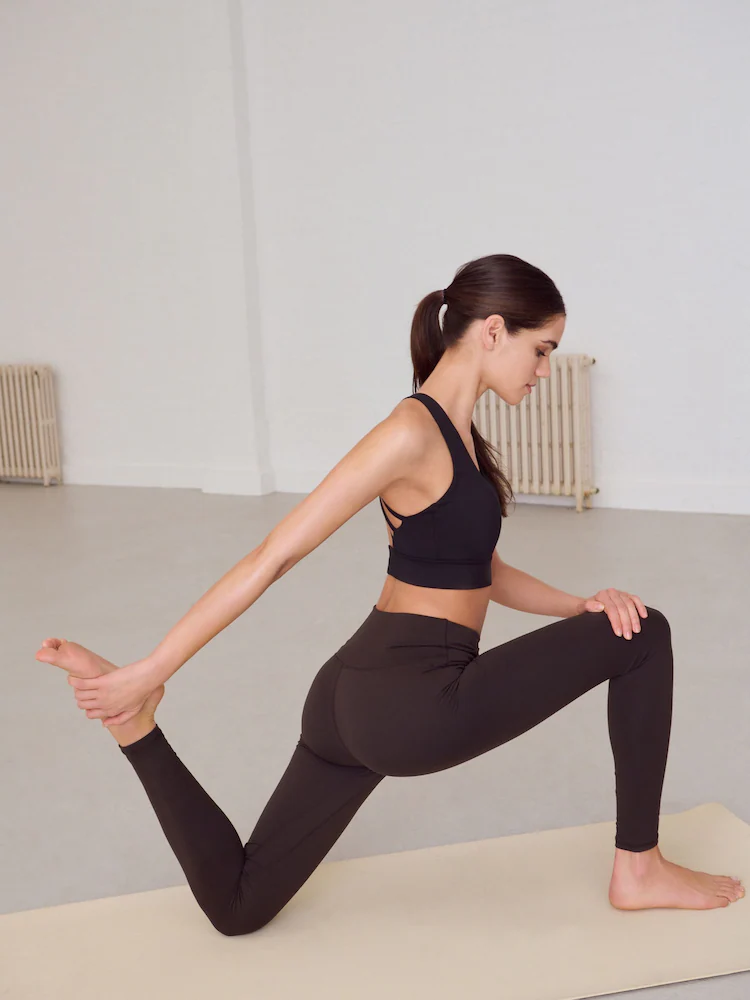
2. Key Features and Benefits
| Feature | Benefit |
|---|---|
| Four-way stretch | Full range of motion in every direction for poses like lunges and twists |
| Moisture-wicking | Keeps skin dry during hot yoga and intense vinyasa flows |
| Flatlock seams | Lies flat against skin to prevent chafing during movement |
| High waistband | Stays in place during inversions and provides core support |
| Hidden pockets | Secure storage for keys and cards during studio sessions |
| Squat-proof fabric | Opaque material that does not become sheer when stretched |
3. Comparison Guide
| Option | Pros | Cons |
|---|---|---|
| Premium brands (Lululemon, Alo Yoga) | Best fabrics, durability, and design; excellent resale value | $78-$168 per pair of leggings; long shipping for online orders |
| Mid-range brands (Vuori, Athleta) | Good balance of quality and price; often on sale | $79-$128 leggings; less trendy than premium brands |
| Budget brands (Gymshark, Old Navy Active) | Very affordable ($25-$68 leggings); great for beginners | Less durable; may lose elasticity after 1 year |
4. How to Choose
When selecting the right yoga wear, consider these factors:
- Your practice style: Gentle yoga favors soft, non-compressive fabrics like Lululemon Align. Hot yoga and vinyasa need moisture-wicking materials like Nike Infinalon or Adidas AEROREADY
- Budget: Budget $40-$80 for quality leggings. Gymshark ($38-$68) and Old Navy Active ($25-$45) offer the best entry-level options
- Durability needs: Daily practitioners should invest in premium brands. Occasional yogis can save with mid-range options
- Personal preferences: Try brands with generous return policies (Athleta, Lululemon offer 30+ day returns) to find your ideal fit
5. Care and Maintenance Tips
Proper care extends the life of your yoga wear significantly:
- Wash in cold water (30C or below) with similar colors to preserve spandex elasticity
- Avoid fabric softeners as they clog moisture-wicking fibers and reduce performance
- Air dry when possible, or tumble dry on the lowest heat setting
- Wash garments inside out in a mesh laundry bag to prevent pilling
- Avoid direct sunlight for extended periods which can degrade elastic fibers
- Do not iron or dry clean yoga wear
6. Common Mistakes to Avoid
Avoid these common pitfalls when buying and caring for yoga wear:
- Buying without trying: Always check the size chart - sizing varies significantly between brands (Lululemon uses numbered sizes, Nike uses S/M/L)
- Using fabric softener: This is the #1 cause of premature yoga wear failure. It ruins moisture-wicking permanently
- Drying on high heat: Heat destroys spandex fibers. Your $100 leggings will lose elasticity after just a few high-heat cycles
- Storing wet: Never leave sweaty yoga wear bundled up. Hang it to dry as soon as possible to prevent bacterial growth and odor
FAQs
Q1: What is the best yoga wear for beginners?
A: For beginners, we recommend starting with a mid-range option like Athleta or Gymshark. These brands offer good quality at accessible prices, and both have generous return policies if the fit is not right.
Q2: How much should I spend on quality yoga wear?
A: Expect to spend $40-$80 for quality yoga leggings and $30-$60 for a good sports bra. Premium brands like Lululemon ($78-$128) and Alo Yoga ($108-$168) offer superior materials but budget brands like Old Navy Active ($25-$45) deliver solid performance for casual practice.
Q3: How long should yoga wear last?
A: With proper care (cold wash, no fabric softener, air dry), quality yoga wear should last 2-4 years with regular practice. Premium brands like Patagonia (5+ years) and Vuori (3-4 years) tend to last the longest.
Q4: Can I use yoga wear for other activities?
A: Yes. Most yoga wear works well for gym workouts, running, pilates, and everyday wear. Moisture-wicking fabrics from Nike, Adidas, and Gymshark are especially versatile across activities.
Q5: How do I find the right size across different brands?
A: Always check each brand's specific size chart. Lululemon uses numbered sizing (2-20), Nike and Gymshark use XS-XL, and Athleta and Old Navy offer XXS-3X/4X. Measure your waist, hips, and bust, then compare to each brand's chart before ordering.
Build Your Yoga Brand With FuKi Yoga
Whether you're comparing brands or researching manufacturing options, FuKi Yoga is your trusted partner for yoga wear production.
With 14+ years of experience in OEM/ODM manufacturing, we offer:
- Low MOQ starting at 100 pieces
- Custom fabric development
- Private label and packaging
- Quality assurance and certifications
- Fast turnaround: 5-7 days for samples, 20-35 days for bulk
Start Your Yoga Brand With FuKi Yoga →