
When I started building my yoga wear collection, I kept asking myself:
👉 Can my private label brand truly compete with Prana’s organic lines?
Through real sourcing experience, I found the answer is yes — with the right partner, it’s possible to combine sustainability, comfort, and branding flexibility at a competitive level.
Table of Contents
- Why Prana’s Organic Lines Became a Benchmark
- Core Standards for Competing in the Organic Yoga Market
- How FuKi Yoga Helps Private Label Brands Match Prana
- Wholesale vs. Premium Retail: An Honest Comparison
- FAQs
- Final Thoughts
1. Why Prana’s Organic Lines Became a Benchmark
Prana has built strong trust by integrating sustainability into every product.
What sets them apart:
- Certified organic cotton (GOTS approved)
- Recycled polyester reducing environmental impact
- Fair Trade production systems
- Sustainable dyeing and finishing
👉 Learn more here: Prana Sustainability
💬 Prana’s strength is not just product quality — it’s credibility and transparency.
2. Core Standards for Competing in the Organic Yoga Market
To compete with brands like Prana, I realized these are non-negotiable:
| Factor | Why It Matters |
|---|---|
| Eco-certified fabrics | Builds consumer trust |
| Ethical production | Strengthens brand image |
| Low MOQ | Enables startup testing |
| Private label branding | Differentiates your brand |
| Performance fit | Matches premium quality |
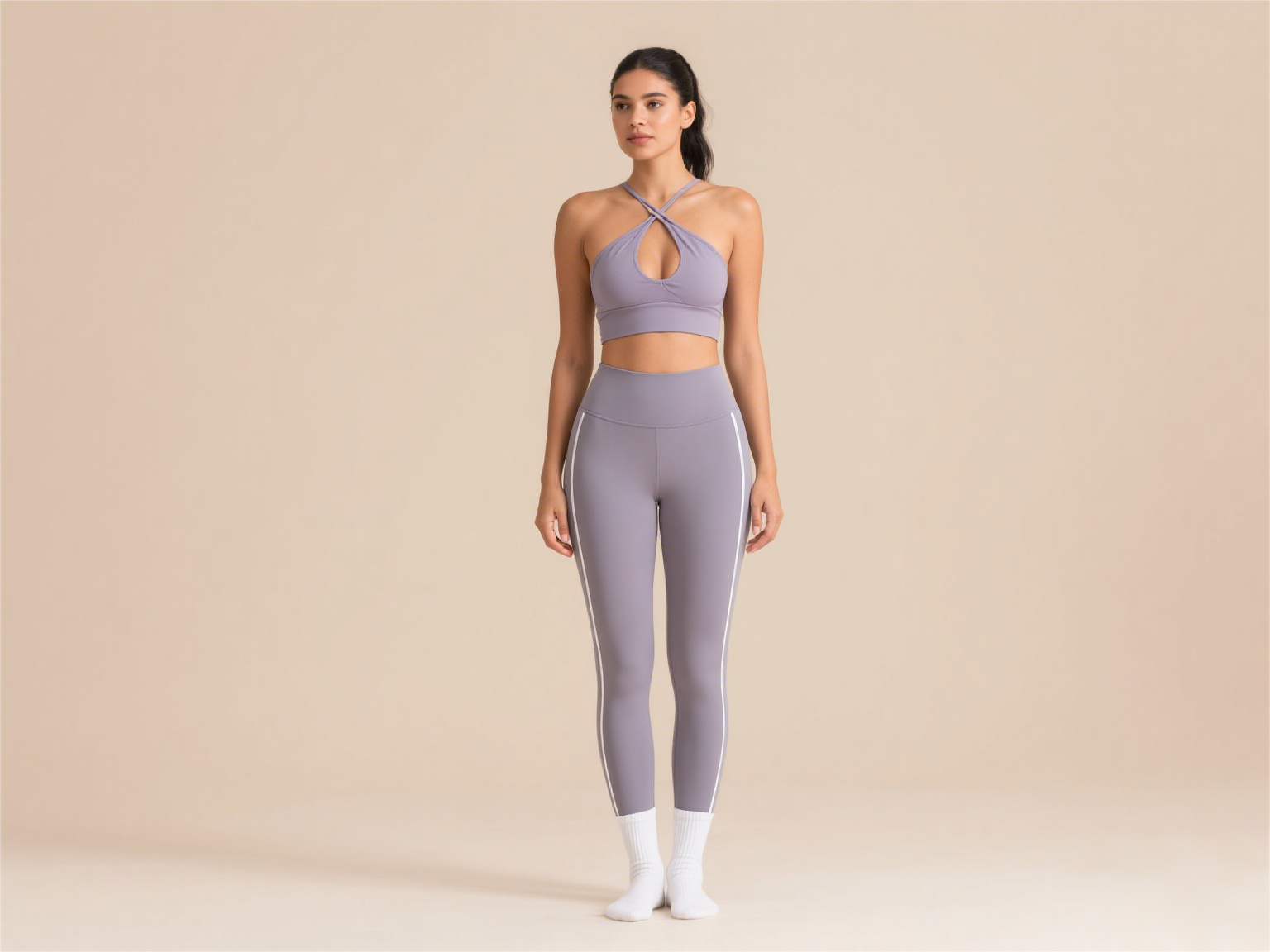
💬 Sustainability alone isn’t enough — fit and comfort must still compete.
3. How FuKi Yoga Helps Private Label Brands Match Prana
From my sourcing experience, FuKi Yoga provides the flexibility and eco-alignment needed to compete.
Why it works:
- ✅ Organic cotton and recycled blends
- ✅ Eco packaging and trims
- ✅ Ethical production practices
- ✅ Low MOQ for startups
- ✅ Trend-driven fits
💬 This allowed me to build collections that align with Prana’s standards — without retail-level costs.
4. Wholesale vs. Premium Retail: An Honest Comparison
Here’s a direct comparison:
| Feature | Prana (Retail) | FuKi Yoga (Wholesale) |
|---|---|---|
| Fabric source | Organic & recycled | Organic & recycled |
| Certifications | GOTS, Fair Trade | GOTS, OEKO-TEX, GRS |
| Customization | None | Full private label |
| MOQ | N/A | Low MOQ |
| Pricing | Premium retail | Wholesale pricing |

💡 Tip: Always request certifications and fabric samples before bulk orders.
FAQs
Q1: Can private label brands compete with Prana?
Yes — with eco fabrics, ethical production, and strong branding.
Q2: Is sustainable sourcing expensive?
Not necessarily — low MOQ factories make it accessible.
Q3: How do I build trust with eco-conscious customers?
Highlight certifications, transparency, and sustainable packaging.
Final Thoughts
So, can private label yoga wear brands compete with Prana’s organic lines?
👉 Yes — but only with a supplier that understands:
- Sustainable materials
- Ethical production
- Fit and comfort consistency
- Branding flexibility
💬 That’s exactly what I found with FuKi Yoga.
They provide the foundation to build eco-conscious collections that stand alongside premium brands.
👉 For more sourcing insights, visit the FuKi Yoga Blog.