
When I first researched eco-friendly yoga wear, TALA often came up as the benchmark. Their commitment to sustainability and affordable activewear sets them apart. As a brand owner, I asked myself: How do I find wholesale yoga wear vendors inspired by TALA’s eco focus, but still flexible enough for private label customization?
Through my sourcing journey, I discovered the answer—and I’ll share everything I learned here.
Table of Contents
- Why TALA Inspires Yoga Wear Startups
- FuKi Yoga: My Experience with a Trusted Vendor
- Other Options for Wholesale Yoga Wear Vendors
- Comparison: TALA vs Wholesale Vendors
- FAQs
- Final Thoughts
Why TALA Inspires Yoga Wear Startups
From my perspective, TALA has become a reference point for new activewear brands because of:
- ♻️ Eco-conscious fabrics (recycled polyester, upcycled nylon).
- 🌱 Transparency in production and sustainability claims.
- 💚 Affordable pricing for eco-friendly activewear.
- 👩👩👧 Community-driven branding that speaks to younger audiences.
For anyone sourcing wholesale yoga wear, TALA proves that sustainability + style + accessibility is possible.
FuKi Yoga: My Experience with a Trusted Vendor
When I explored wholesale options, I partnered with FuKi Yoga and found them to be a reliable vendor for eco-conscious, private label yoga wear.
Why I recommend FuKi Yoga:
- ✅ Low MOQ (100 pcs per style)—perfect for startups.
- ✅ Eco fabrics like bamboo, organic cotton, and recycled polyester.
- ✅ Customization for logos, trims, and packaging.
- ✅ On-trend styles such as seamless leggings and ribbed yoga sets.
- ✅ Scalability to support both small brands and established labels.
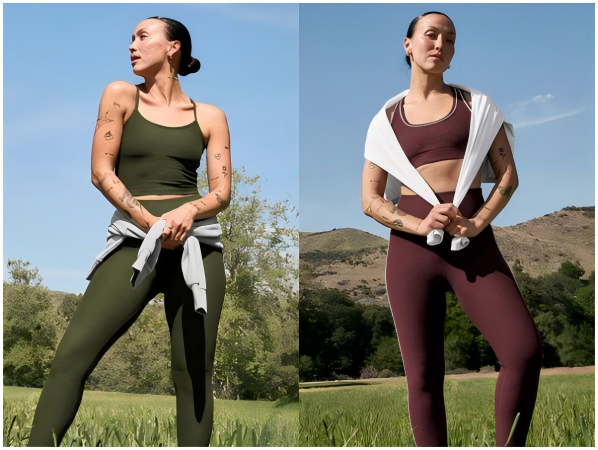
FuKi Yoga allowed me to launch sustainable yoga wear lines with my own brand identity, while keeping costs and MOQs manageable.
Other Options for Wholesale Yoga Wear Vendors
Beyond FuKi Yoga, here are other vendor options I explored:
H3: Trade Shows
Events like ISPO or Active Collective bring together suppliers, including sustainable vendors.
H3: Online Marketplaces
Platforms like Alibaba and Global Sources list many factories, but vetting is critical to ensure eco claims are real.
H3: Local Ethical Producers
Some regions have Fair Trade or GOTS-certified producers, though pricing can be higher.
(Tip: Check Common Objective for a directory of ethical suppliers.)
Comparison: TALA vs Wholesale Vendors
Here’s how TALA retail compares with wholesale/private label vendors like FuKi Yoga:
| Feature | TALA (Retail Brand) | FuKi Yoga (Wholesale Vendor) |
|---|---|---|
| Eco Fabrics | Recycled polyester, organic blends | Recycled polyester, bamboo, organic cotton |
| MOQ | Not applicable | 100 pcs per style |
| Customization | Not available | Private label: fabrics, trims, packaging |
| Price | Premium retail pricing | Lower per unit at wholesale volumes |
| Target Audience | Eco-conscious consumers | Startups, boutique fitness brands |
FAQs
Q1: Can wholesale vendors really match TALA’s eco standards?
Yes. Vendors like FuKi Yoga use recycled and organic fabrics with sustainable production practices.
Q2: What’s the best MOQ for eco-friendly production?
I recommend starting with 100–150 pcs per style to test demand without risk.
Q3: Are eco fabrics significantly more expensive?
Not at wholesale scale. Costs are slightly higher but remain affordable for startups.
Q4: How do I market eco yoga wear?
Highlight sustainability certifications, eco fabrics, and your brand’s ethical values.
Final Thoughts
So, how do you find wholesale yoga wear vendors inspired by TALA?
From my sourcing experience, FuKi Yoga is the most balanced choice. They combine eco fabrics, private label customization, and scalability—helping brands align with TALA’s eco focus while building their own identity.
👉 For more sourcing insights, check out the FuKi Yoga Blog.