
When I first started shopping for yoga wear, I was surprised by the price tags at lululemon. A pair of leggings could cost twice as much as other brands. As I researched deeper—both as a consumer and later as a yoga wear supplier—I discovered the real reasons behind the premium.
Here’s a breakdown of why lululemon is considered expensive and whether it’s worth the investment.
Table of Contents
- Premium Fabric Innovation
- High-Quality Construction
- Brand Positioning and Lifestyle Marketing
- Community and Customer Loyalty
- FAQs
- How FuKi Yoga Produces Lululemon-Level Yoga Wear
- Final Thoughts
Premium Fabric Innovation
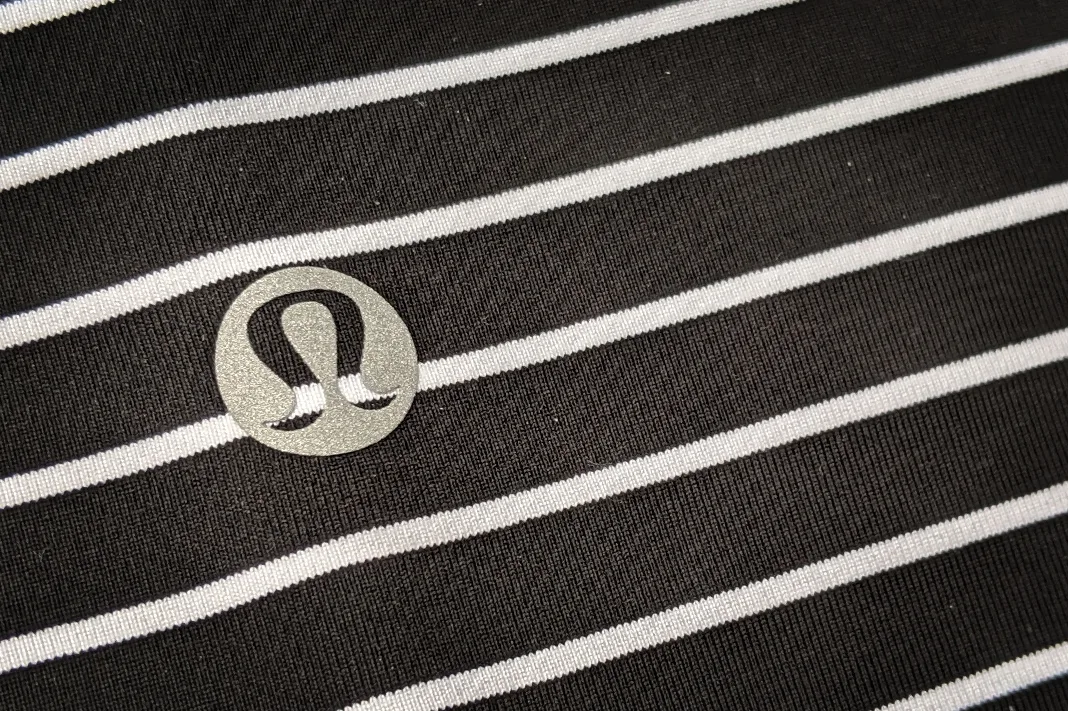
One of the biggest reasons lululemon can charge higher prices is its exclusive fabric technology. Their famous Nulu and Everlux fabrics are buttery-soft, moisture-wicking, and engineered to maintain shape over years of wear.
From my experience in sourcing, these fabrics are not cheap to produce—they require advanced weaving, blending, and finishing processes.
 Lululemon Fabric
High-Quality Construction
Another factor is the attention to detail in manufacturing:
- Flatlock seams that reduce chafing.
- Four-way stretch for flexibility.
- Rigorous quality control standards.
As someone who has toured factories, I know these features take time, expertise, and higher production costs.
Brand Positioning and Lifestyle Marketing
Lululemon isn’t just selling leggings—it’s selling a lifestyle.
- ✨ Exclusive store design.
- 🧘 Classes and community events.
- 📢 Premium advertising campaigns.
This branding strategy positions lululemon as a luxury activewear label, justifying higher prices.
 Lululemon
Community and Customer Loyalty
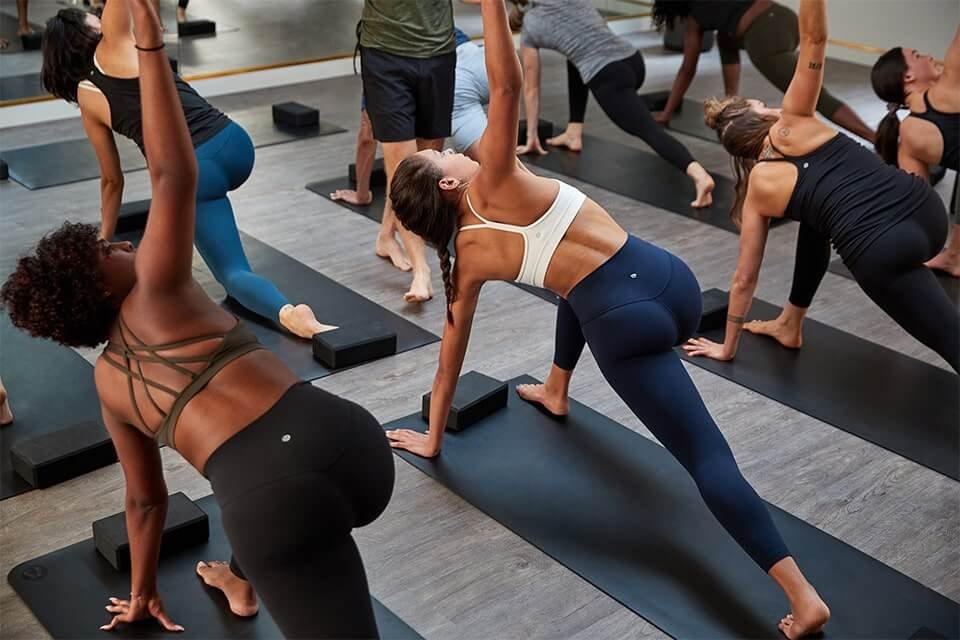
What impressed me most is how Lululemon built a cult-like following:
- Brand ambassadors (yoga teachers, fitness influencers).
- Local community hubs.
- Exceptional customer service and return policies.
The value customers feel goes beyond the product—it’s about belonging to a lifestyle movement.
FAQs
Q1: Are lululemon leggings really worth the price?
Yes—if you value durability, unique fabrics, and long-term use.
Q2: Do they last longer than cheaper leggings?
In my experience, yes. Many customers report leggings lasting 3–5 years.
Q3: Is it just branding?
Not entirely. Branding adds value, but premium fabrics and stitching also increase costs.
How FuKi Yoga Produces Lululemon-Level Yoga Wear
When I transitioned from being a customer to running a yoga wear business, I wanted to know if manufacturers could deliver products on par with lululemon. The answer: absolutely yes.
At FuKi Yoga, we focus on the same pillars:
- ✅ Eco-friendly premium fabrics: bamboo, recycled polyester, spandex blends.
- ✅ Private label flexibility: custom logos, trims, packaging.
- ✅ Low MOQ (100 pcs per style), making it easier for new brands to compete.
- ✅ Performance-driven designs: seamless, ribbed, and sculpting fits.
- ✅ Durable stitching & strict QC: ensuring longevity comparable to Lululemon.
With our expertise, brands can offer consumers buttery-soft, high-performance yoga wear without charging luxury prices.
Final Thoughts
So, why is lululemon so expensive? The cost comes from fabric innovation, construction quality, branding, and community building.
But here’s the opportunity: with the right manufacturing partner, you don’t need to spend $100+ on yoga leggings to achieve similar performance.
From my experience, FuKi Yoga can help brands create Lululemon-level yoga wear that balances premium quality with accessible pricing.
👉 For more sourcing insights, explore the FuKi Yoga Blog.