
When I first studied sustainable activewear, TALA stood out as a pioneer. Their ethical standards and eco-friendly fabrics won the trust of eco-conscious consumers.
But as a brand owner, I asked myself: Can a private label yoga wear brand like mine truly compete with TALA’s ethical benchmarks?
The short answer is yes—if you know what to prioritize in sourcing, production, and brand positioning. Let me share my experience.
Table of Contents
- Why TALA’s Ethical Standards Set the Bar
- FuKi Yoga: My Experience Building a Private Label Brand
- How Private Label Brands Can Compete with TALA
- Comparison: TALA vs Private Label Yoga Wear
- FAQs
- Final Thoughts
Why TALA’s Ethical Standards Set the Bar
From my research and as a consumer, I noticed TALA’s strength lies in:
- ♻️ Recycled fabrics (recycled polyester, upcycled nylon).
- 🌱 Transparency in ethical sourcing and production.
- 💚 Affordable sustainability, proving eco-fashion doesn’t have to be luxury-only.
- 📢 Community-driven storytelling that resonates with young consumers.
TALA made me realize that ethics and accessibility can coexist.
FuKi Yoga: My Experience Building a Private Label Brand
When I built my own line, I partnered with FuKi Yoga to align my brand with sustainable values.
Here’s why FuKi Yoga helped me compete with TALA’s eco standards:
- ✅ Low MOQ (100 pcs per style)—great for testing sustainable lines.
- ✅ Eco fabrics such as bamboo, organic cotton, and recycled polyester.
- ✅ Private label customization: logos, trims, packaging for unique branding.
- ✅ Trend-aligned designs: seamless, ribbed, and crossover yoga pants.
- ✅ Scalable production for startups and established brands alike.
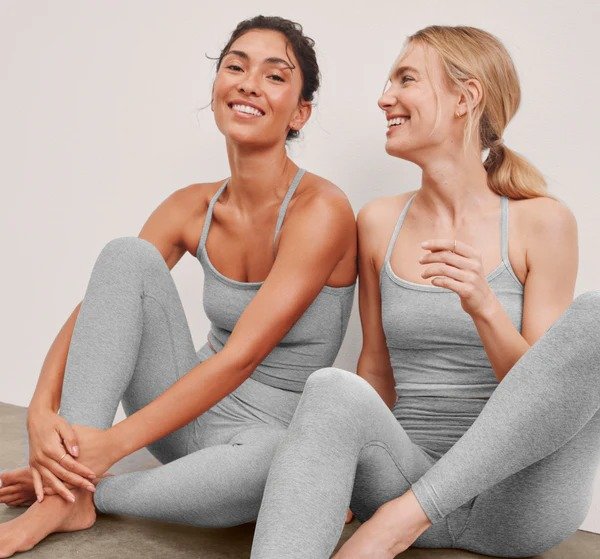
FuKi Yoga gave me the confidence to compete ethically while building a distinctive brand.
How Private Label Brands Can Compete with TALA
Based on my sourcing journey, here are the key steps:
H3: Choose Verified Sustainable Fabrics
Work only with recycled, organic, or certified fabrics (GOTS, OEKO-TEX).
H3: Start with Small MOQs
Don’t overcommit. Test the market with 100–150 pcs per style before scaling.
H3: Build a Transparent Supply Chain
Consumers care about where and how products are made. Share your process openly.
H3: Highlight Brand Values
Market your yoga wear not just as clothing, but as a sustainable lifestyle choice.
Comparison: TALA vs Private Label Yoga Wear
| Feature | TALA (Retail Brand) | FuKi Yoga (Private Label Brand) |
|---|---|---|
| Fabrics | Recycled polyester, organic blends | Bamboo, recycled polyester, organic cotton |
| MOQ | Not applicable (retail only) | 100 pcs per style |
| Customization | Not available | Full private label: trims, fabrics, logo |
| Pricing | Affordable retail | Wholesale pricing per unit |
| Audience | Eco-conscious consumers | Startups, boutique brands, yoga labels |
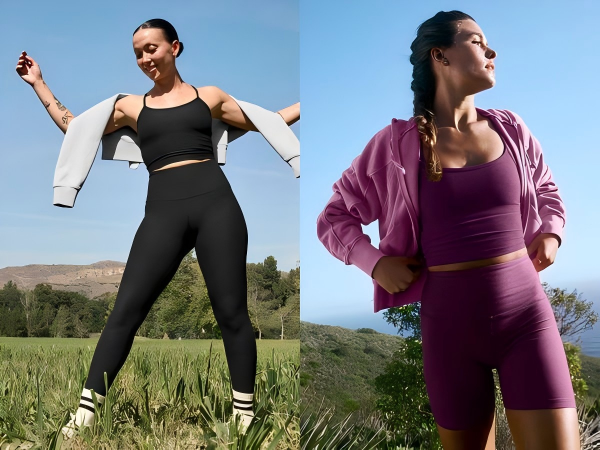
👉 Explore TALA’s Official Website for retail inspiration and compare with what private label can achieve.
FAQs
Q1: Can a private label yoga wear brand really match TALA’s ethics?
Yes. With eco fabrics and transparent production, private labels can compete.
Q2: Is eco production more costly?
Slightly, but wholesale scale and sustainable practices keep it manageable.
Q3: What’s the best MOQ to start ethically?
I suggest 100–150 pcs per style, to minimize waste while testing demand.
Q4: How should I market my private label brand?
Focus on eco fabrics, supply chain transparency, and ethical storytelling.
Final Thoughts
So, can a private label yoga wear brand compete with TALA’s ethical standards?
From my experience, the answer is yes. By focusing on eco fabrics, transparent production, and private label flexibility, you can create a brand that resonates with sustainability-minded customers.
That’s what I found with FuKi Yoga—a partner that balances affordability, scalability, and ethics.
👉 For more insights, visit the FuKi Yoga Blog.