
When I first considered launching a private label yoga wear line, I kept asking myself:
“Could my brand really compete with Old Navy Active, a mainstream favorite known for affordability and accessibility?”
After working with suppliers like FuKi Yoga and comparing them against Old Navy’s value, I found that small brands can compete—if they focus on fabrics, fit, and brand differentiation.
Table of Contents
- Why Old Navy Active Is So Popular
- Where Private Label Brands Can Compete
- How FuKi Yoga Helps Private Labels Stand Out
- Wholesale vs Retail Value Comparison
- FAQs
Why Old Navy Active Is So Popular
From my experience as both a consumer and brand owner, Old Navy Active is popular because:
- Affordable pricing that makes activewear accessible.
- Trendy essentials like high-waist leggings and racerback bras.
- Reliable fits that appeal to mainstream buyers.
- Wide size ranges, including plus sizes.
👉 Check the Old Navy Active collection to see their value-focused styles.
Where Private Label Brands Can Compete
What I realized is that private label lines don’t need to beat Old Navy at price—they can compete by offering something different.
| Area | Old Navy Active Strengths | Private Label Advantage |
|---|---|---|
| Price | Low retail pricing | Competitive wholesale |
| Fabric Options | Limited retail fabrics | Custom, eco-friendly blends |
| Customization | None | Private label branding |
| Sizing | Inclusive but standard | Niche fits (e.g., petite, tall) |
| Brand Identity | Mass-market | Focused storytelling + community |
How FuKi Yoga Helps Private Labels Stand Out
In my own brand journey, I chose FuKi Yoga because they helped me compete with Old Navy Active while staying unique:
- ✅ Low MOQs → perfect for startups.
- ✅ Eco-friendly fabrics like organic cotton and recycled polyester.
- ✅ Private label branding (tags, trims, packaging).
- ✅ On-trend designs similar to Old Navy Active, but customizable.
- ✅ Quick sampling to speed up market entry.

These advantages allowed me to position my line as an affordable yet eco-conscious alternative to mainstream activewear.
Wholesale vs Retail Value Comparison
Here’s a comparison I built to guide my decision:
| Feature | Old Navy Active (Retail) | FuKi Yoga (Private Label) |
|---|---|---|
| Fabric Quality | Affordable polyester blends | Custom blends, sustainable options |
| Style Range | Trendy basics | Customizable activewear designs |
| MOQ | N/A (retail only) | Low MOQ starting at 100 pieces |
| Price | Retail pricing | Wholesale pricing for brands |
| Branding | Old Navy label only | Private label, your own brand |
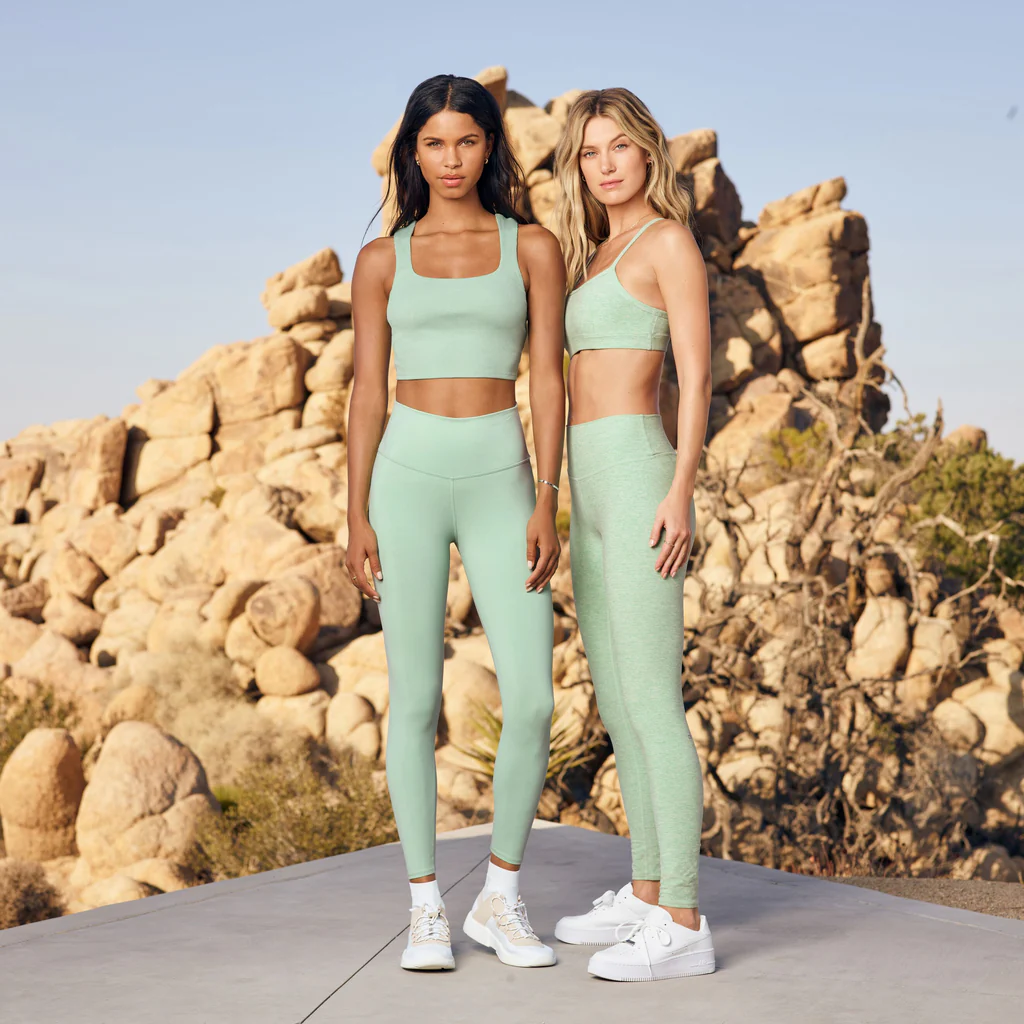
💡 Pro Tip: Competing doesn’t mean being cheaper—it means offering unique value.
FAQs
Q1: Can a private label yoga line really compete with Old Navy?
Yes—by focusing on eco-fabrics, niche fits, and branding instead of only price.
Q2: Is starting capital high for private label yoga wear?
Not necessarily. With FuKi Yoga’s low MOQs, I launched with just 100 pieces.
Q3: How do I stand out from Old Navy Active?
By offering sustainable fabrics and building a brand identity around community and lifestyle.
Final Thoughts
So, can a private label yoga wear line compete with Old Navy Active?
In my experience, the answer is yes.
With support from FuKi Yoga, I was able to:
- Deliver affordable but premium-feeling leggings.
- Offer eco-friendly, custom fabrics.
- Build a brand identity that resonates with my target audience.
👉 Want to explore further? Visit the FuKi Yoga Blog for more insights.