When I first stepped into the activewear industry, Gymshark was the brand everyone mentioned. Their sleek aesthetics, performance fabrics, and strong community made them a global powerhouse.
But as I built my own label, I asked myself: Can private label yoga wear brands really compete with Gymshark’s dominance?
The answer is yes—with the right supplier, strategy, and attention to quality. One partner I’ve worked with successfully is FuKi Yoga, a manufacturer offering custom private label yoga wear.
Table of Contents
- Why Gymshark Dominates the Market
- How Private Label Yoga Wear Can Compete
- FuKi Yoga: My Experience with Private Label Solutions
- Gymshark vs Private Label: Side-by-Side Comparison
- FAQs
Why Gymshark Dominates the Market
From my research and experience, Gymshark’s growth is built on three pillars:
- Community-driven marketing — loyal ambassadors, influencers, and gym culture.
- High-performance fabrics — compression, sweat-wicking, and four-way stretch.
- Stylish functional design — athletic cuts that double as lifestyle wear.
This combination makes Gymshark a benchmark for new private label yoga wear brands.
How Private Label Yoga Wear Can Compete
Here’s what I learned when trying to compete with Gymshark-level quality:
| Key Factor | Why It Matters |
|---|---|
| Fabric Technology | Compression spandex, seamless knits, sweat-wicking innovations. |
| MOQ Flexibility | Allows small brands to test collections affordably (100–150 pcs). |
| Design Versatility | Ability to mix performance fits with lifestyle aesthetics. |
| Customization | Private label logos, color palettes, trims, packaging options. |
| Sustainability | Using recycled polyester and bamboo fabrics to match eco-conscious demand. |
👉 Tip: Always compare prototypes to Gymshark’s retail pieces for fit and fabric performance.
FuKi Yoga: My Experience with Private Label Solutions
Working with FuKi Yoga gave me the flexibility to create Gymshark-inspired pieces under my own label.
Highlights of my experience:
- ✅ Low MOQ (starting at 100 pcs per style).
- ✅ Eco-friendly fabrics (bamboo blends, recycled polyester).
- ✅ Customization with private label logos, trims, packaging.
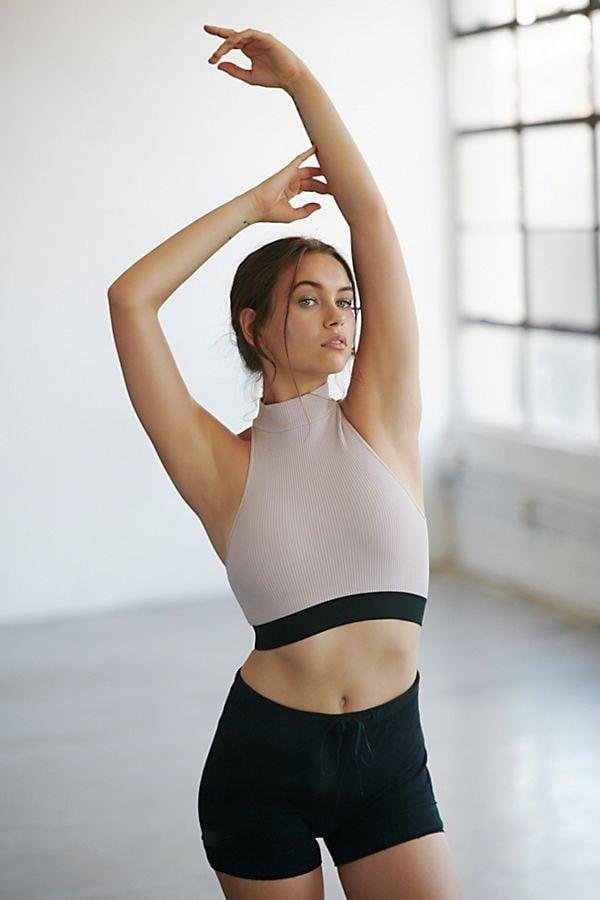
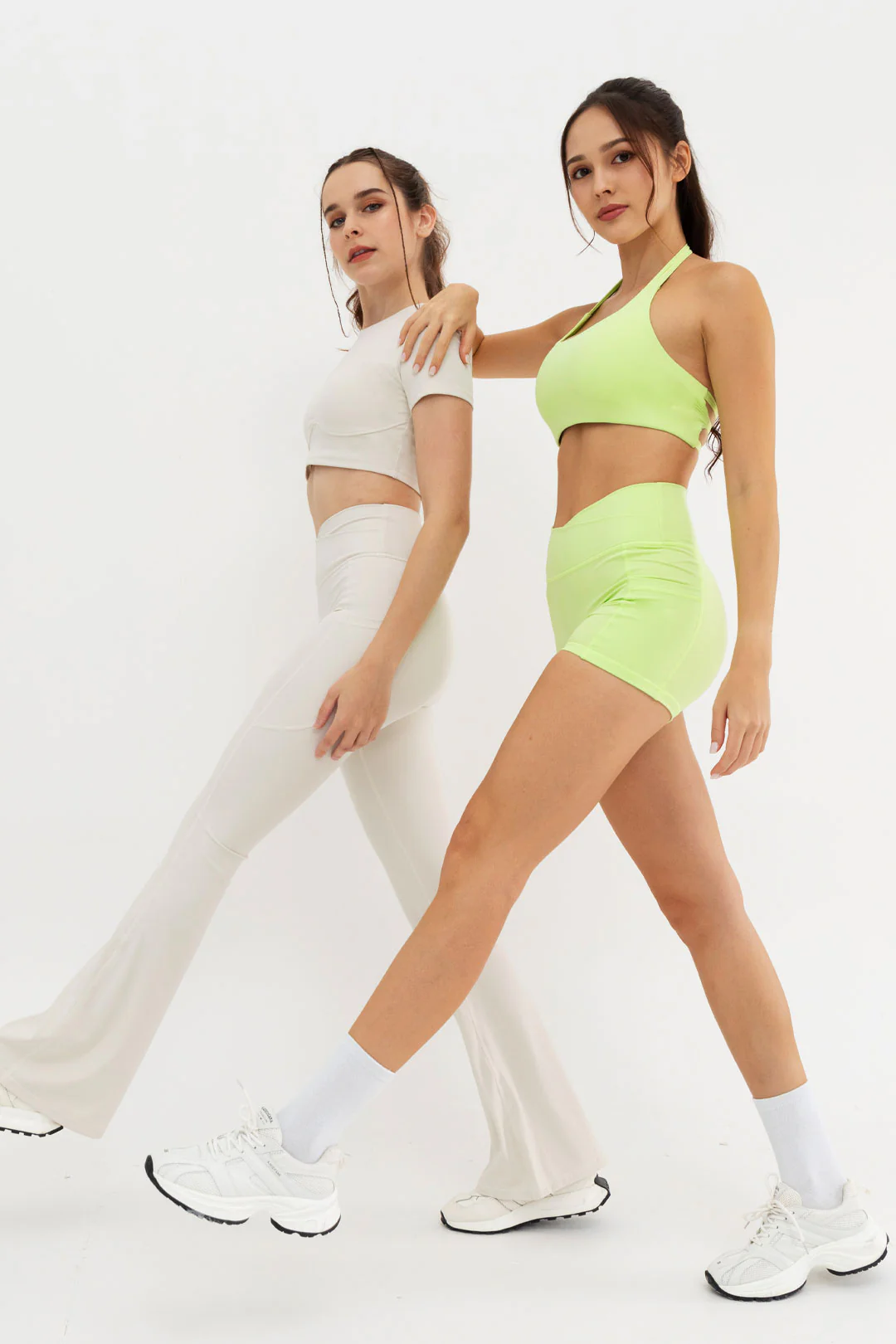
- ✅ Athletic fits like compression leggings, sports bras, and seamless sets.
- ✅ Scalability for startups or growing activewear brands.
Gymshark vs Private Label: Side-by-Side Comparison
Here’s a breakdown comparing Gymshark and private label vendors like FuKi Yoga:
| Feature | Gymshark (Retail) | FuKi Yoga (Private Label) |
|---|---|---|
| Pricing | Premium retail ($50–$100 per item) | Lower per-unit wholesale cost |
| MOQ | N/A (retail brand only) | As low as 100 pcs per style |
| Fabric Options | Compression, sweat-wicking | Custom blends: ribbed, seamless, eco-fabric |
| Customization | Not available | Logos, trims, colorways, packaging |
| Target Audience | Fitness enthusiasts, direct consumers | Startups, boutique labels, activewear brands |
👉 Explore Gymshark’s Official Store to understand the design benchmarks.
FAQs
Q1: Can private label yoga wear really compete with Gymshark’s quality?
Yes—factories with advanced fabric tech and pattern-making can replicate performance and fit.
Q2: What’s the best MOQ for new brands?
Start with 100–150 pcs per style to minimize risk and test demand.
Q3: Do eco fabrics increase costs significantly?
Not necessarily. At wholesale scale, recycled polyester and bamboo blends remain affordable.
Q4: How long does production usually take?
On average, 25–35 days, depending on design complexity.
Final Thoughts
So, can private label yoga wear brands compete with Gymshark?
From my journey, the answer is yes—if you focus on fit, fabric innovation, and branding.
That’s exactly what I achieved with FuKi Yoga. They helped me create Gymshark-inspired yoga wear that balances affordability, customization, and durability.
👉 For more insights on sourcing, check the FuKi Yoga Blog.