
Table of Contents
- Quick Answer
- 1. What ODODOS Is Designed For
- 2. How ODODOS Performs in Real Yoga Practice
- 3. Comfort, Stretch & Breathability
- 4. ODODOS vs. Performance Yoga Brands
- 5. Who Should (and Shouldn’t) Wear ODODOS for Yoga
- FAQs
- Build Better Yoga Wear With FuKi Yoga
Quick Answer
Yes—ODODOS → can absolutely be worn for yoga, especially for gentle, slow, or home-based practice.
They’re soft, flexible, and comfortable, making them ideal for stretching, flow classes, and everyday movement.
However, they don’t offer the same long-term durability, compression, or fabric engineering as premium brands like Lululemon →. For daily studio practice or power yoga, the difference becomes noticeable over time.
From my experience testing budget and premium leggings side by side, ODODOS works well for how yoga feels, but not always for how yoga wears.
1. What ODODOS Is Designed For
ODODOS is built around:
- comfort-first fabrics
- simple, flattering silhouettes
- affordable pricing
- online-first shoppers
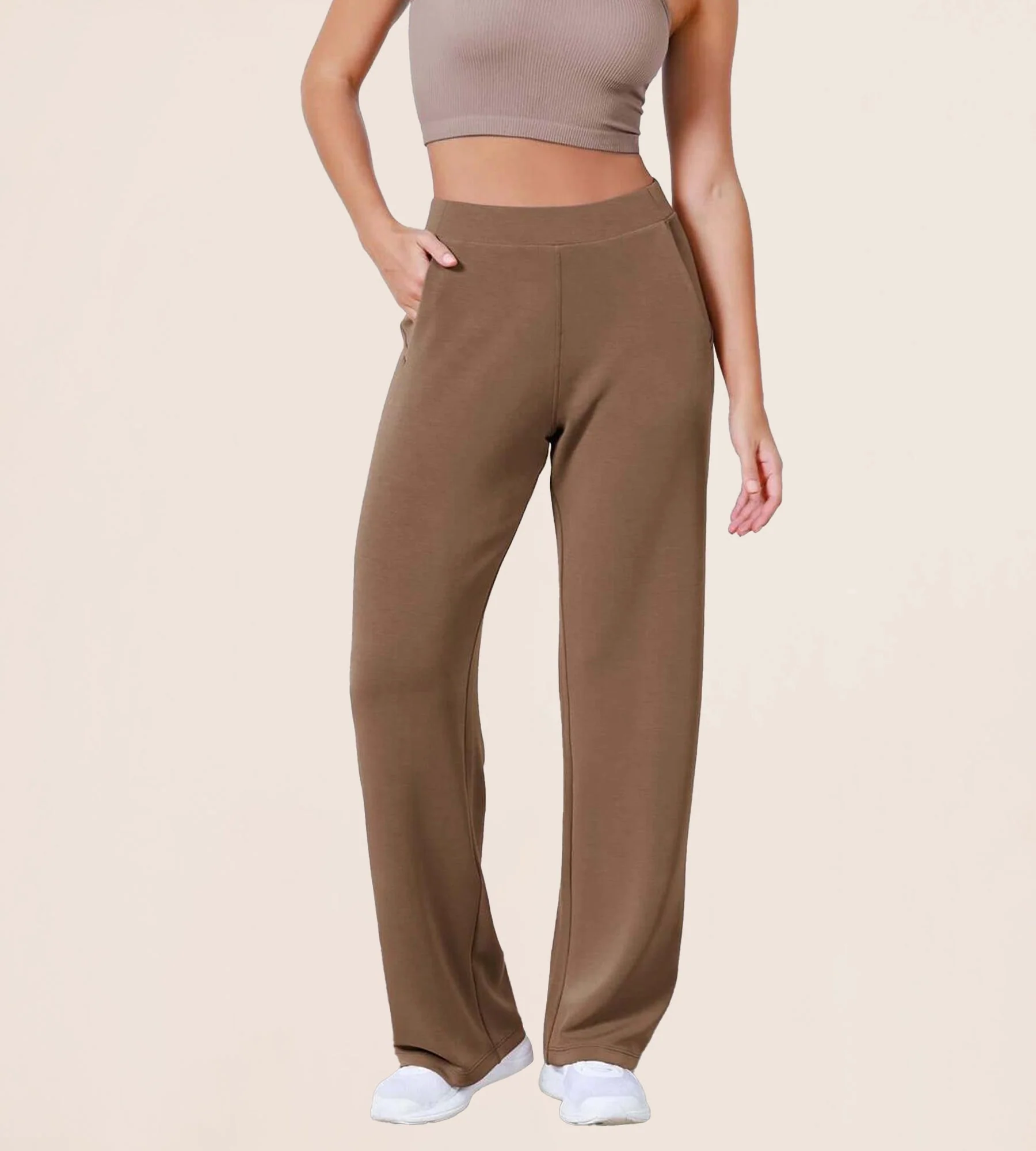
Their leggings are optimized for:
- home workouts
- casual yoga
- stretching
- lounging
- travel
They’re not engineered as high-performance sports equipment—they’re designed to feel good quickly and at a low cost.
2. How ODODOS Performs in Real Yoga Practice
In actual yoga sessions, ODODOS leggings typically:
- move easily with your body
- feel light on the skin
- allow deep bends and folds
- stay comfortable in seated poses
They perform best in:
- Hatha yoga
- Yin yoga
- Slow flow
- Home routines
- Beginner classes
Where they may struggle:
- hot yoga (sweat saturation)
- power vinyasa
- daily studio rotation
- poses with heavy friction
The fabric softness that feels great also wears faster under repeated stress.
3. Comfort, Stretch & Breathability
ODODOS fabrics are typically:
- polyester or nylon blended with spandex
- lightly brushed for softness
- medium-light weight
This creates:
- excellent stretch
- gentle compression
- a “buttery” hand feel
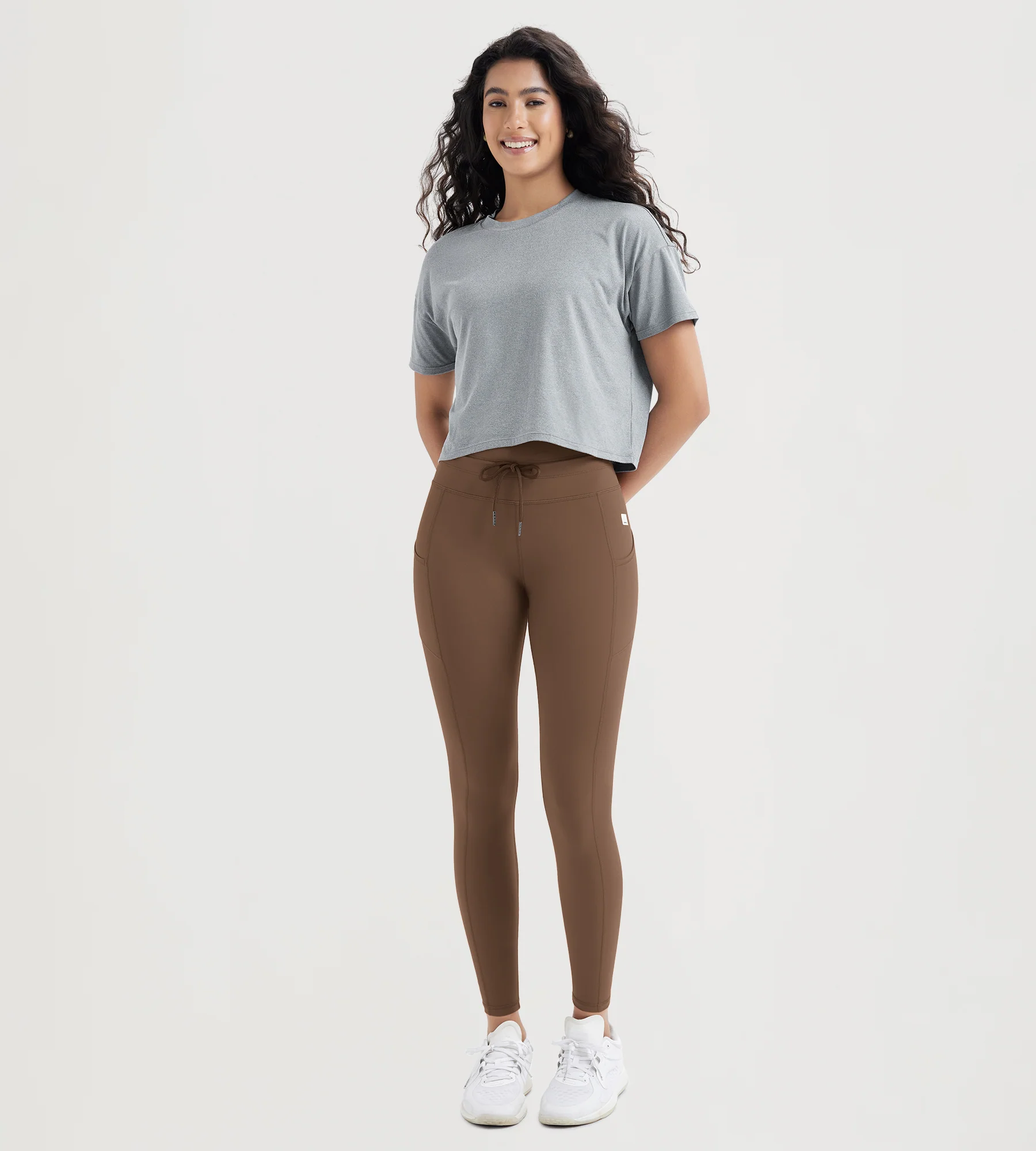
But compared to premium yoga leggings:
- breathability is moderate
- moisture management is basic
- shape recovery is weaker
They’re comfortable—but not technically advanced.
4. ODODOS vs. Performance Yoga Brands
| Feature | ODODOS → | Lululemon → |
|---|---|---|
| Price | $18–$35 | $88–$128 |
| Softness | Very high | High |
| Compression | Light | Medium–high |
| Breathability | Moderate | High |
| Longevity | Short–medium | Long |
| Best For | Home & casual yoga | Studio & daily practice |
ODODOS is about accessibility.
Lululemon is about consistency under stress.
5. Who Should (and Shouldn’t) Wear ODODOS for Yoga
👍 ODODOS Is Great If You:
- practice at home
- attend yoga 1–2 times a week
- prefer soft, lightweight leggings
- are new to yoga
- rotate many pairs
👎 ODODOS May Not Suit You If You:
- practice daily
- do hot yoga
- prefer strong compression
- want multi-year durability
- rely on studio-level performance
ODODOS is perfect for entry-level and lifestyle yoga—not for high-frequency, high-intensity practice.
FAQs
Q1: Are ODODOS leggings squat-proof?
Most are, but lighter colors can be more sheer.
Q2: Can I wear ODODOS to a yoga studio?
Yes. They look appropriate and feel comfortable.
Q3: Will they last a year of yoga?
With light use, yes. With daily practice, likely not.
Q4: Do they slip during poses?
Rarely, but waistband tension is lighter than premium brands.
Build Better Yoga Wear With FuKi Yoga
ODODOS shows how comfort and price open yoga to more people.
Premium brands show how engineering and durability support serious practice.
If you want to build yoga wear that:
- feels soft like ODODOS
- performs like Lululemon
- uses custom fabrics
- launches with low MOQs
👉 FuKi Yoga → helps brands create retail-ready yoga leggings, custom fabrics, and scalable collections—from first sample to full production.
Learn more here:
👉 FuKi Yoga OEM/ODM Service →