
A clear, first-person, SEO-optimized guide explaining how Girlfriend Collective turns plastic waste into wearable activewear — written simply, structured for Google, and designed to be a “best answer” readers can trust.
Table of Contents
- Quick Answer
- 1. Where the Plastic Bottles Come From
- 2. Step-by-Step: How Bottles Become Fabric
- 3. Why Recycled Bottle Fabric Still Performs Well
- 4. Girlfriend Collective vs. Other Recycled Activewear Brands
- 5. Who This Upcycled Fabric Is Best For
- FAQs
- Create Recycled-Fabric Activewear With FuKi Yoga
Quick Answer
Girlfriend Collective upcycles plastic bottles by cleaning them, breaking them down into flakes, melting them into recycled polyester yarn (rPET), and knitting that yarn into performance activewear fabric.
From my experience working with sustainable apparel manufacturing, this is one of the most practical ways brands can reduce plastic waste without sacrificing durability or comfort.
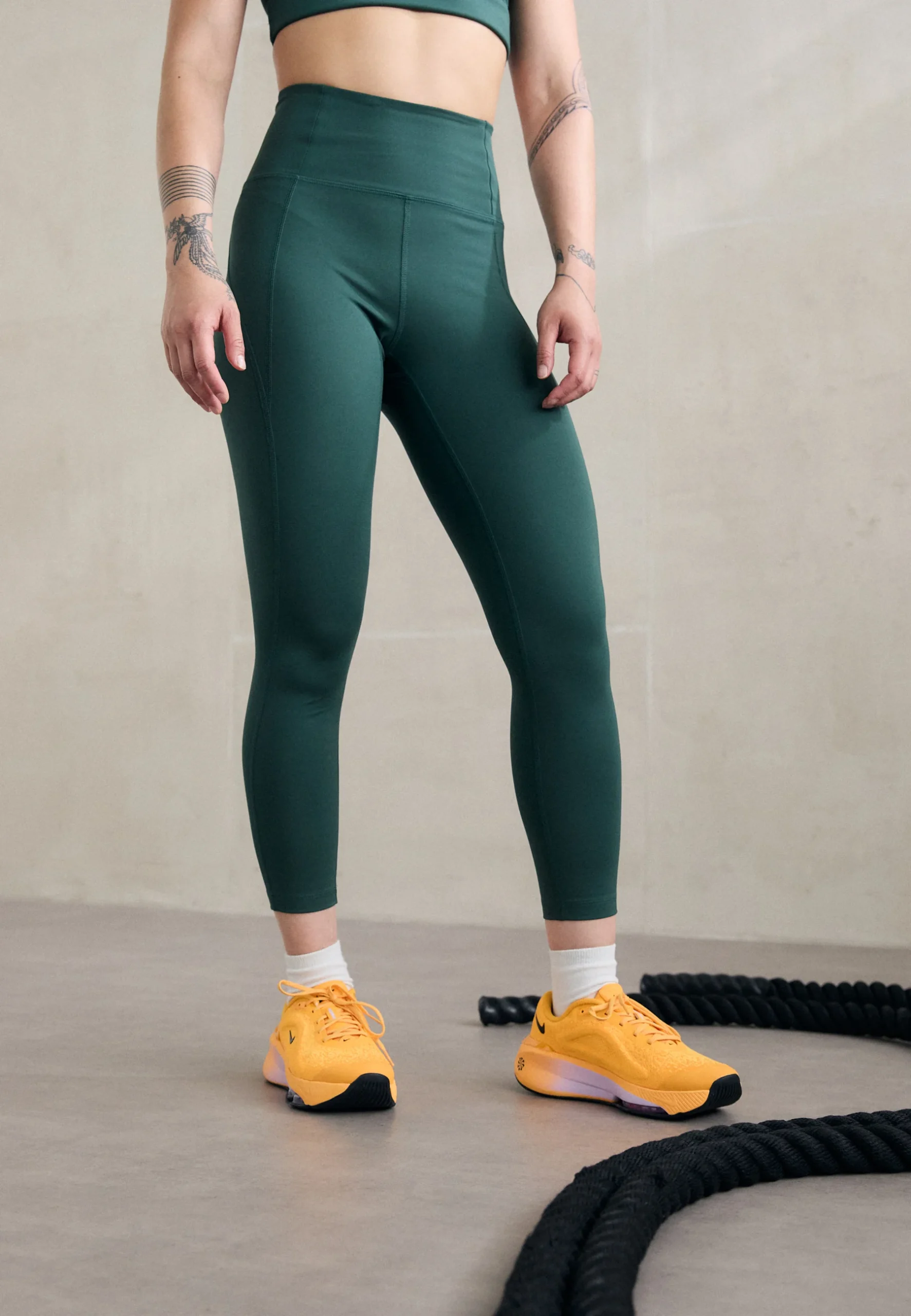
1. Where the Plastic Bottles Come From
Girlfriend Collective primarily uses post-consumer plastic bottles, meaning bottles that have already been used and discarded.
These bottles usually come from:
- municipal recycling systems
- waste-recovery partners
- regions with high plastic pollution
Why post-consumer plastic matters
Using post-consumer waste:
- prevents bottles from reaching landfills or oceans
- reduces demand for virgin polyester
- lowers overall carbon footprint
In simple terms, this process gives existing plastic a second life.
2. Step-by-Step: How Bottles Become Fabric
Here’s how the upcycling process works in plain language:
Step 1: Collection & sorting
Plastic bottles are:
- collected
- sorted by type
- stripped of labels and caps
Step 2: Deep cleaning
The bottles are washed to remove:
- residue
- adhesives
- contaminants
Clean input = better fabric quality.
Step 3: Shredding into flakes
The bottles are chopped into small plastic flakes.
Step 4: Melting & extrusion
These flakes are:
- melted
- filtered
- extruded into recycled polyester pellets
Step 5: Yarn creation
The pellets are spun into rPET yarn, which can be:
- smooth
- stretchy
- durable
Step 6: Fabric knitting
The yarn is knitted into performance fabric used for:
- leggings
- bras
- tops
On average, one pair of Girlfriend Collective leggings can reuse 20–30 plastic bottles.
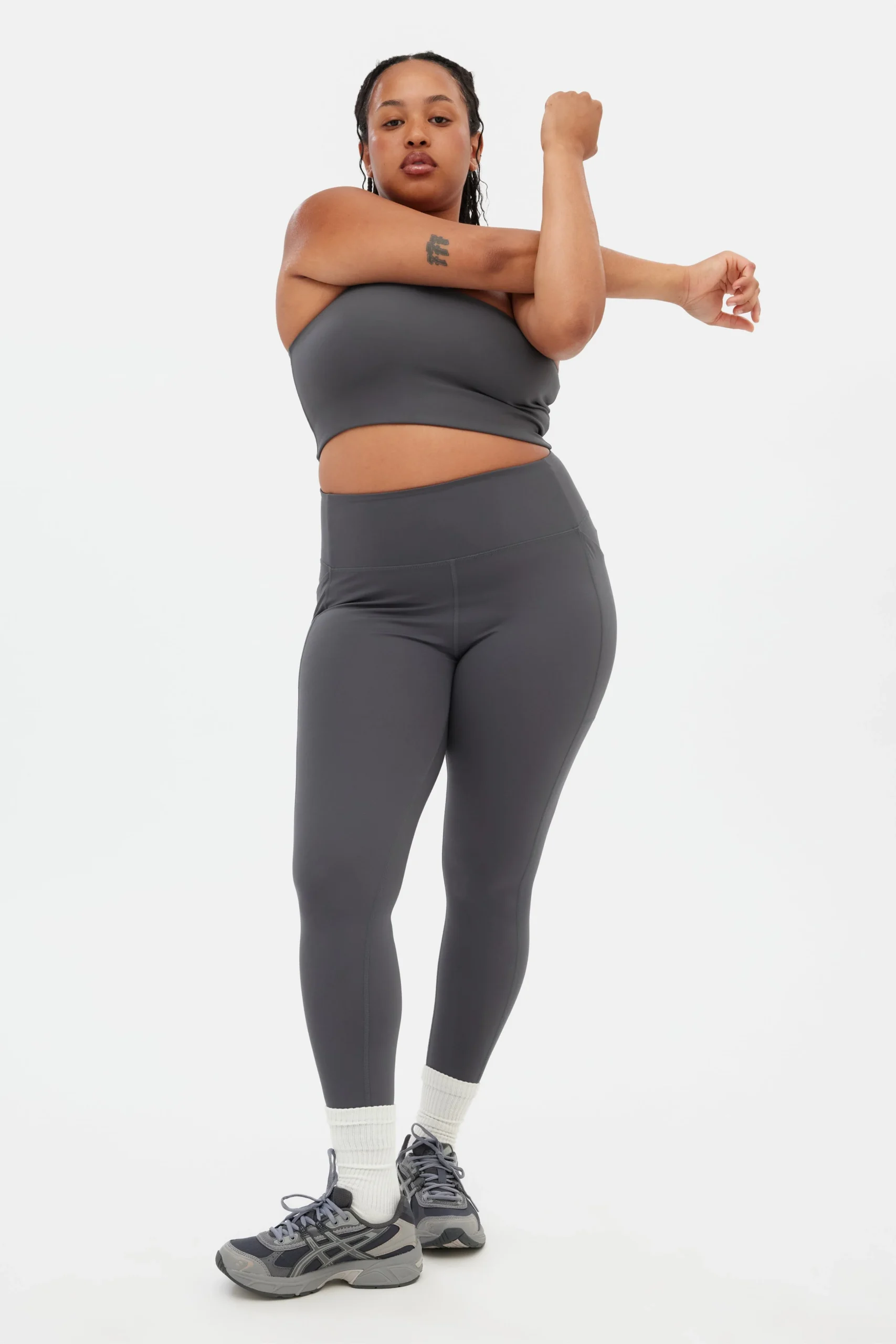
3. Why Recycled Bottle Fabric Still Performs Well
Many people assume recycled fabric must feel cheap or rough — that’s not true.
| Performance Feature | Recycled Polyester (rPET) | What It Means for Wearers |
|---|---|---|
| Stretch | high | good flexibility for yoga |
| Durability | strong | long-lasting leggings |
| Moisture-wicking | effective | stays dry during workouts |
| Color retention | good | vibrant colors last |
| Hand feel | smooth | comfortable against skin |
My manufacturing insight
When recycled polyester is processed correctly, it performs nearly the same as virgin polyester, but with far less environmental impact.
4. Girlfriend Collective vs. Other Recycled Activewear Brands
| Brand | Recycled Material Use | Transparency | Sustainability Focus |
|---|---|---|---|
| Girlfriend Collective | very high | very transparent | core brand mission |
| Athleta | high | strong | B Corp certified |
| Patagonia | very high | industry leader | circular systems |
| Alo Yoga | limited | low | selective eco efforts |
Key takeaway
Girlfriend Collective is one of the few brands where recycled bottles are the foundation of the product — not just a small add-on.
5. Who This Upcycled Fabric Is Best For
👍 Best For
- eco-conscious consumers
- yogis who want medium compression
- people who value transparency
- shoppers trying to reduce plastic waste
- everyday yoga and studio workouts
👎 Not Ideal For
- people seeking natural fibers only (cotton, hemp)
- athletes needing extreme compression
- buyers wanting fully biodegradable clothing
Upcycled polyester is a realistic sustainability step, not a perfect solution.
FAQs
Q1: Are recycled leggings as durable as regular ones?
Yes — high-quality rPET is extremely durable.
Q2: Do recycled fabrics shed microplastics?
Yes, like all synthetics, but they reduce the need for new plastic.
Q3: How many bottles are used per legging?
Usually around 20–30 bottles per pair.
Q4: Is recycled polyester truly sustainable?
It’s not perfect, but it’s far better than virgin polyester.
Create Recycled-Fabric Activewear With FuKi Yoga
If Girlfriend Collective’s bottle-to-fabric process inspires your own brand vision,
👉 FuKi Yoga can help you develop high-quality activewear using recycled materials.
What We Offer
- recycled polyester (rPET) fabrics
- recycled nylon options
- low-impact dyeing support
- durable, long-life garment construction
- low-MOQ OEM/ODM for sustainable brands
- guidance on transparent sustainability claims
Build your recycled-fabric yoga line here:
FuKi Yoga OEM/ODM Service →