
Lululemon started as a yoga-focused apparel brand — soft, flexible, and minimal.
But today, it’s just as popular among HIIT, running, and gym enthusiasts.
So, how did the brand successfully expand from calm yoga studios to high-performance training grounds?
As someone experienced in activewear OEM manufacturing, I’ll explain how Lululemon evolved its design, materials, and brand strategy — and what lessons private label brands can learn.
Table of Contents
- Quick Answer
- 1. From Yoga Roots to Performance Expansion
- 2. Fabric Technology Evolution
- 3. Design Adaptations for Intense Training
- 4. Marketing Shift: Mindfulness Meets Power
- 5. Athlete Partnerships and Brand Authenticity
- 6. Comparison: Lululemon vs Other Performance Brands
- FAQs
- FuKi Yoga: OEM Partner for Yoga & Performance Brands
Quick Answer
✅ Lululemon expanded from yoga to high-intensity training by investing in advanced fabrics, athlete-tested designs, and inclusive performance marketing.
It evolved from a yoga lifestyle brand into a premium hybrid label serving both mindfulness and motion.
1. From Yoga Roots to Performance Expansion
Lululemon’s journey began in 1998 as a yoga-centric brand in Vancouver, focused on flexibility and comfort.
But as global fitness trends shifted toward cross-training, running, and HIIT, Lululemon diversified.
Timeline of expansion:
| Year | Focus | Key Development |
|---|---|---|
| Late 1990s | Yoga apparel | Signature Luon fabric introduced |
| 2010s | Running & gym wear | Launch of Luxtreme™ and Metal Vent Tech |
| 2020s | HIIT & training | Introduction of License to Train and Everlux™ |
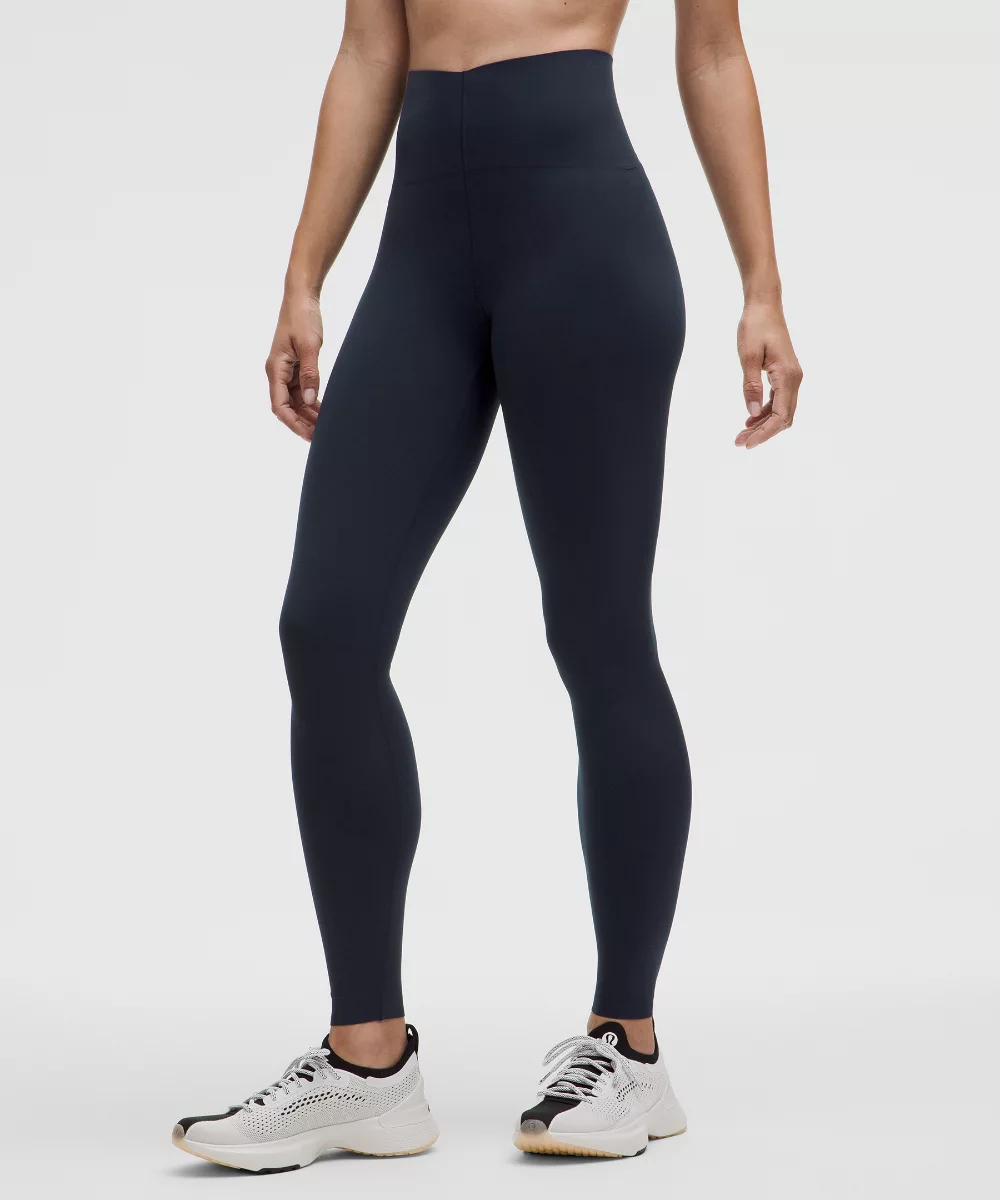
💬 Insight: This expansion wasn’t random — it was based on consumer lifestyle evolution, where yoga enthusiasts also became fitness generalists.
2. Fabric Technology Evolution
Lululemon’s R&D focus has always been fabric-driven.
To serve new training categories, it created proprietary materials for performance, durability, and sweat management.
| Fabric | Function | Ideal Use |
|---|---|---|
| Nulu™ | Buttery soft & lightweight | Yoga / lounging |
| Luxtreme™ | Supportive & compressive | Running / cardio |
| Everlux™ | Fast-drying, cool-to-touch | HIIT / high-sweat workouts |
| Warpstreme™ | Wrinkle-resistant & structured | Lifestyle / travel |
💡 For OEM brands, this shows the value of developing distinct fabric families for different fitness activities.
Check out FuKi Yoga’s Custom Fabric Service for sustainable, high-performance alternatives.
3. Design Adaptations for Intense Training
To compete in performance wear, Lululemon introduced:
- Reinforced seams for durability
- Strategic ventilation panels
- Four-way stretch to accommodate dynamic movement
- Compression waistbands for stability
Unlike pure yoga wear, these designs cater to athletic motion, not just comfort.
That’s why you’ll now find Lululemon’s License to Train shorts or Metal Vent Tech tops in many gyms.
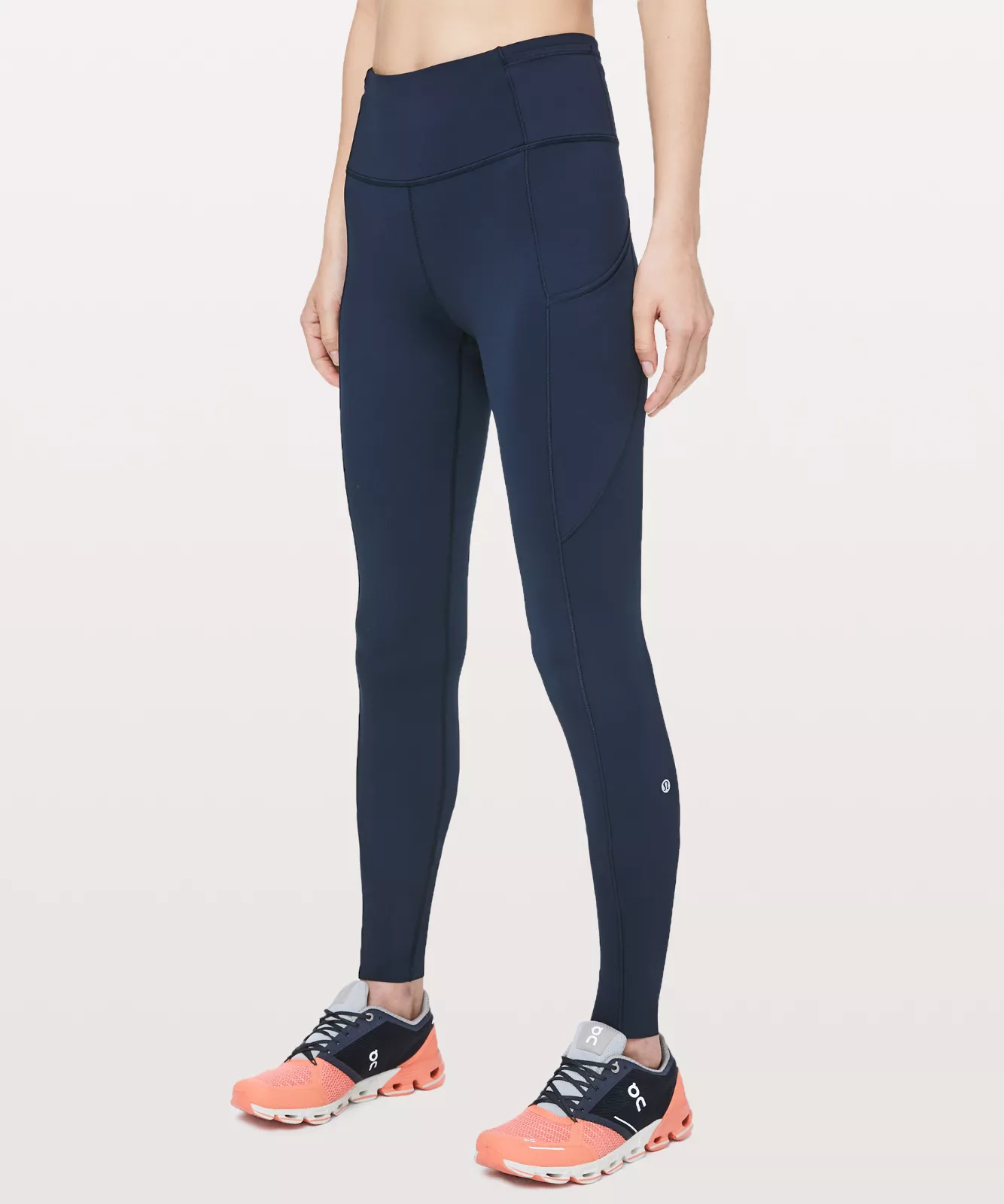
📦 Private label brands can integrate similar performance features through pattern engineering and fabric bonding, available via FuKi Yoga’s OEM services.
4. Marketing Shift: Mindfulness Meets Power
Lululemon expanded its brand identity — merging spiritual calm with physical strength.
Their marketing moved from yoga serenity to performance empowerment.
Key strategies:
- Inclusive messaging: “For every move that makes you feel alive.”
- Campaigns targeting both yogis and athletes
- Social media partnerships with trainers and HIIT influencers
💬 Result: A lifestyle brand that balances both mental wellness and physical ambition — rare in today’s activewear market.
5. Athlete Partnerships and Brand Authenticity
Lululemon now collaborates with elite runners, gym trainers, and Olympians, while maintaining ties to its yoga roots.
This dual-brand identity reinforces authenticity — yoga calm meets performance drive.
| Segment | Ambassadors | Product Focus |
|---|---|---|
| Yoga | Instructors & wellness coaches | Align, Wunder Train |
| Running | Professional athletes | Fast and Free series |
| HIIT / Training | CrossFit & fitness experts | License to Train, Surge shorts |
💬 This authenticity keeps Lululemon relevant across both casual and elite fitness markets.
6. Comparison: Lululemon vs Other Performance Brands
| Brand | Category Origin | Expansion Strategy | Key Advantage |
|---|---|---|---|
| Lululemon | Yoga | Cross-training & HIIT | Premium fabrics + lifestyle appeal |
| Nike | Sports | Yoga & athleisure | Brand heritage |
| Under Armour | Gym | Running & training | Techwear |
| FuKi Yoga (OEM) | Yoga OEM | Custom OEM for fitness brands | Low MOQ + eco materials |
✅ Takeaway: Like Lululemon, your brand can evolve beyond one niche — with the right product mix, storytelling, and OEM partnership.
FAQs
Q1: Does Lululemon still focus on yoga?
Yes — yoga remains its foundation, but the brand now appeals to broader fitness lifestyles.
Q2: What makes Lululemon’s training gear special?
Its fabrics are engineered for sweat management, durability, and stretch — combining yoga comfort with performance strength.
Q3: Can new brands compete in both yoga and training markets?
Yes, by working with a reliable OEM like FuKi Yoga that provides custom fabrics, patterns, and eco certifications for multi-sport activewear.
FuKi Yoga: OEM Partner for Yoga & Performance Brands
At FuKi Yoga, we help brands bridge the gap between yoga softness and performance strength — the same path Lululemon took.
Our OEM Services Include:
- 🧵 Custom high-stretch fabrics for yoga & HIIT
- ♻️ Eco-certified materials (RPET, Tencel™, Recycled Nylon)
- 💼 Full OEM/ODM development for private labels
- 🚚 Global low-MOQ production (starting at 100 pcs)
Whether you’re building a mindful yoga line or a performance-focused collection,
FuKi Yoga ensures your products feel premium — and perform even better.
👉 Learn more: fukiyoga.com/service/oem-odm-service/