
Table of Contents
- Quick Answer
- 1. What Kind of Brand Is Gaiam?
- 2. Product Quality: What You Actually Get
- 3. Price vs. Performance
- 4. Who Gaiam Is Best For
- Gaiam vs. Other Yoga Brands
- Pros & Cons at a Glance
- FAQs
- Build a Better Yoga Brand
Quick Answer
Yes—Gaiam → is a good brand, especially for beginners and casual yoga users.
It’s affordable, widely available, and easy to use.
But it’s not a “premium” brand.
If you practice daily, sweat heavily, or expect studio-grade durability, you’ll likely outgrow it.
Think of Gaiam as:
The perfect entry point into yoga—not the final destination.
1. What Kind of Brand Is Gaiam?
Gaiam built its reputation on one simple idea:
Wellness should be accessible to everyone.
That’s why you find Gaiam in:
- Target
- Amazon
- Walmart
- Sporting goods stores
It focuses on:
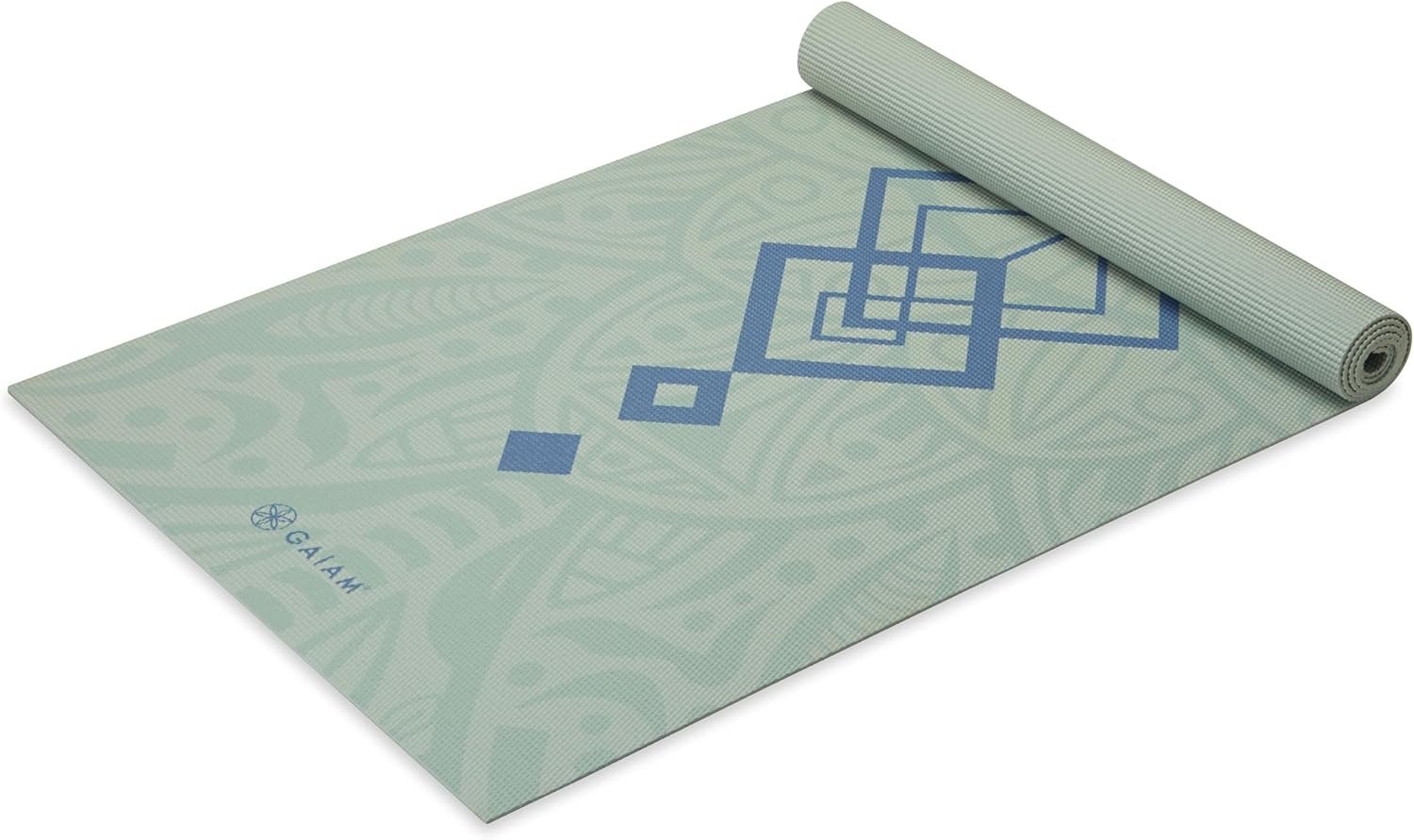
- yoga mats
- blocks & straps
- beginner-friendly apparel
- home fitness accessories
Unlike performance-first brands such as Lululemon → or studio-focused labels like Manduka →, Gaiam is designed for home users and new practitioners.
2. Product Quality: What You Actually Get
From my experience and customer feedback:
Mats:
- soft
- lightweight
- comfortable for floor poses
- can feel slippery at first
- wear out faster than premium mats
Accessories:
- blocks and straps are reliable
- good foam density for beginners
- not studio-grade
Apparel:
- comfortable
- budget-friendly
- limited durability for heavy training
In short:
Gaiam products work well—just not forever.
They’re made for use, not abuse.
3. Price vs. Performance
| Feature | Gaiam | Premium Brands |
|---|---|---|
| Average mat price | $20–$40 | $80–$140 |
| Grip | Medium | High |
| Lifespan | 6–18 months | 3–5 years |
| Target user | Beginners | Daily practitioners |
You’re not paying for elite materials.
You’re paying for:
- accessibility
- availability
- ease of use
That’s fair—if your expectations match.
4. Who Gaiam Is Best For
Gaiam is ideal if you:
- are new to yoga
- practice 1–3 times per week
- want something affordable
- do home workouts
- don’t want to “over-invest”

It’s not ideal if you:
- attend hot yoga regularly
- sweat heavily
- want long-term performance gear
- train daily
Gaiam vs. Other Yoga Brands
| Brand | Positioning | Best For |
|---|---|---|
| Gaiam | Entry-level | Beginners |
| Lululemon | Premium lifestyle | Daily wear |
| Manduka | Studio-grade | Serious yogis |
| Alo Yoga | Fashion-forward | Trend-driven users |
Gaiam wins on approachability.
It loses on longevity.
Pros & Cons at a Glance
Pros
- Affordable
- Widely available
- Beginner-friendly
- Comfortable feel
- Low learning curve
Cons
- Shorter lifespan
- Less grip in sweat
- Limited performance range
- Not studio-grade
FAQs
Is Gaiam better than Lululemon?
No. Gaiam is cheaper and simpler, but Lululemon outperforms in materials and durability.
Do Gaiam mats last?
They last for casual use, not for daily or hot yoga.
Is Gaiam good for beginners?
Yes—this is exactly where it shines.
Can professionals use Gaiam?
They can, but most upgrade quickly.
Build a Better Yoga Brand
Gaiam proves that accessibility creates scale.
If you want to build a yoga brand that:
- balances quality and cost
- serves beginners without feeling “cheap”
- supports private labeling
- offers custom fabrics, grip, and thickness
- controls MOQ and margin
Start here:
👉 FuKi Yoga OEM/ODM Service →
We help brands design:
- mats that don’t slip
- leggings that don’t pill
- collections that grow with the customer
Not just products—
but a brand people trust.