
Table of Contents
- Quick Answer
- 1. What “Clean Brand” Means in Activewear
- 2. What Hey Honey Publicly Claims
- 3. How Clean Is Hey Honey in Practice?
- 4. Who Hey Honey Is a Good Fit For
- 5. How to Evaluate “Clean” as a Buyer
- FAQs
- Build a Truly Clean Line With FuKi Yoga
Quick Answer
Hey Honey is a conscious fashion brand, not a fully “clean” or zero-impact brand.
It emphasizes responsible production, durability, and thoughtful design—but it does not position itself as 100% eco-pure or carbon-neutral.
In other words: Hey Honey is cleaner than fast fashion, but it isn’t a radical sustainability brand.
1. What “Clean Brand” Means in Activewear
In beauty, “clean” usually means non-toxic ingredients.
In activewear, it’s more complex.
A “clean” apparel brand may focus on:
- responsible factories
- recycled or certified fabrics
- reduced waste
- durable, long-life products
- transparent supply chains
But no stretch legging is 100% natural.
Most performance wear relies on:

- nylon
- polyester
- elastane
So “clean” in activewear usually means better choices, not perfect purity.
2. What Hey Honey Publicly Claims
On Hey Honey Yoga, the brand emphasizes:
- European-based production
- small-batch manufacturing
- long-lasting quality
- conscious design over mass output
Their message centers on:
buy less, buy better.
They do not claim:
- full carbon neutrality
- plastic-free materials
- zero-waste operations
Instead, they position themselves as a responsible fashion brand—not a sustainability-first label.
3. How Clean Is Hey Honey in Practice?
From an industry perspective, Hey Honey’s approach looks like this:
| Area | Hey Honey’s Position |
|---|---|
| Fabric | Performance synthetics |
| Production | Small-batch, Europe |
| Waste | Limited runs reduce overstock |
| Longevity | High—meant to last |
| Transparency | Moderate |
| Sustainability Focus | Secondary to design |
Their biggest “clean” advantage is durability.
A legging worn for 3–5 years is more sustainable than:
- five cheap pairs worn for six months each
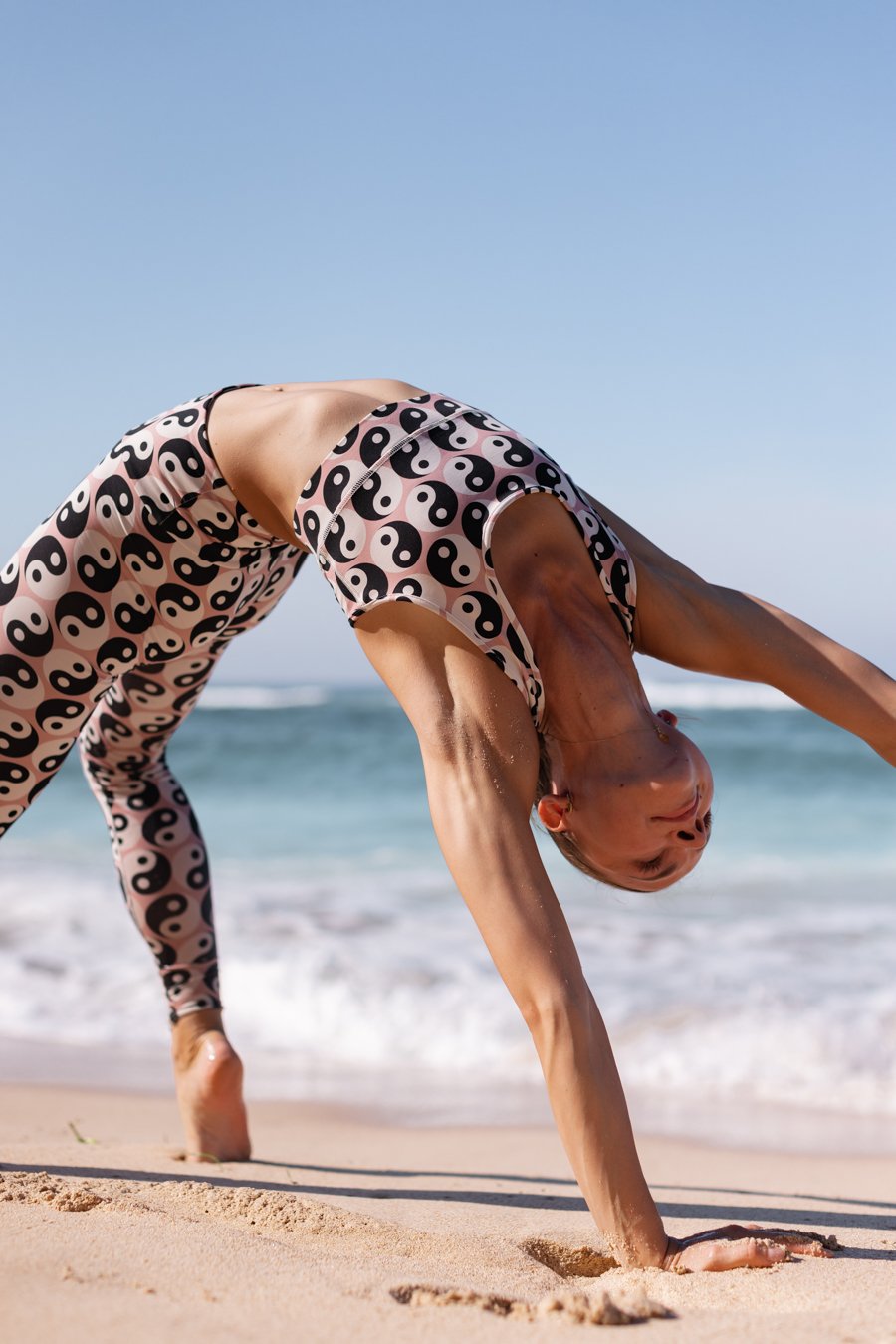
That’s a practical form of responsibility.
4. Who Hey Honey Is a Good Fit For
| Buyer Type | Why It Works |
|---|---|
| Fashion-first yogis | Unique design |
| Conscious consumers | Better than fast fashion |
| Boutique shoppers | Premium feel |
| Studio-to-street wearers | Lifestyle-ready |
| “Buy less, buy better” mindset | Long-lasting pieces |
If your priority is:
- zero plastic
- organic-only
- radical transparency
Hey Honey may not go far enough.
If your priority is:
- design + responsibility
- quality over quantity
- European production
It fits well.
5. How to Evaluate “Clean” as a Buyer
Instead of asking:
“Is this brand perfectly clean?”
Ask:
- How long will this piece last?
- Where is it made?
- How often will I replace it?
- Does the brand avoid overproduction?
A “clean” choice is often about impact over time, not labels.
FAQs
Q1: Is Hey Honey eco-friendly?
It’s more responsible than fast fashion, but not an eco-pioneer.
Q2: Does Hey Honey use recycled fabric?
Some collections do, but it’s not the brand’s core identity.
Q3: Is it better than cheap leggings?
Yes—higher durability and lower replacement frequency reduce waste.
Q4: Is “clean activewear” possible?
Only partially. Performance stretch fabrics still rely on synthetics.
Build a Truly Clean Line With FuKi Yoga
Hey Honey shows that responsibility and style can coexist—but “clean” is a spectrum.
If you’re building an activewear brand and want to go further:
👉 FuKi Yoga helps brands develop custom yoga apparel with:
- recycled and certified fabrics
- responsible factory sourcing
- low-waste production planning
- low-MOQ OEM/ODM models
We help you build:
- sustainable leggings
- eco-forward yoga shorts
- studio-to-street collections
With:
- fabric transparency
- long-life product design
- scalable manufacturing
Start building here:
FuKi Yoga OEM/ODM Service →