
Lululemon is one of the most influential activewear brands in the world — but as sustainability becomes a global priority, more consumers are asking:
“Is Lululemon actually moving toward sustainable production?”
As someone who works with performance fabric mills and yoga-wear manufacturers, here’s a simple and honest breakdown of where Lululemon stands today — and how its sustainability journey compares to other activewear leaders.
Table of Contents
- Quick Answer
- 1. What Sustainability Means to Lululemon
- 2. How Lululemon Uses Sustainable Fabrics
- 3. Lululemon’s Global Manufacturing and Ethical Goals
- 4. Sustainability Comparison with Other Premium Brands
- 5. Who Should Choose Lululemon for Sustainability
- FAQs
- Partnering with FuKi Yoga for Sustainable Activewear
Quick Answer
✅ Yes — Lululemon is actively moving toward more sustainable production, adding more recycled fibers, lowering dye-impact, and adopting circularity initiatives.
However, the brand is still in transition. Many of its iconic fabrics (like Nulu and Everlux) remain synthetic, meaning full sustainability will take time.
If you want 100% sustainable materials from the start, OEM partners like FuKi Yoga already offer RPET, recycled nylon, bamboo blends, and eco-certified production.
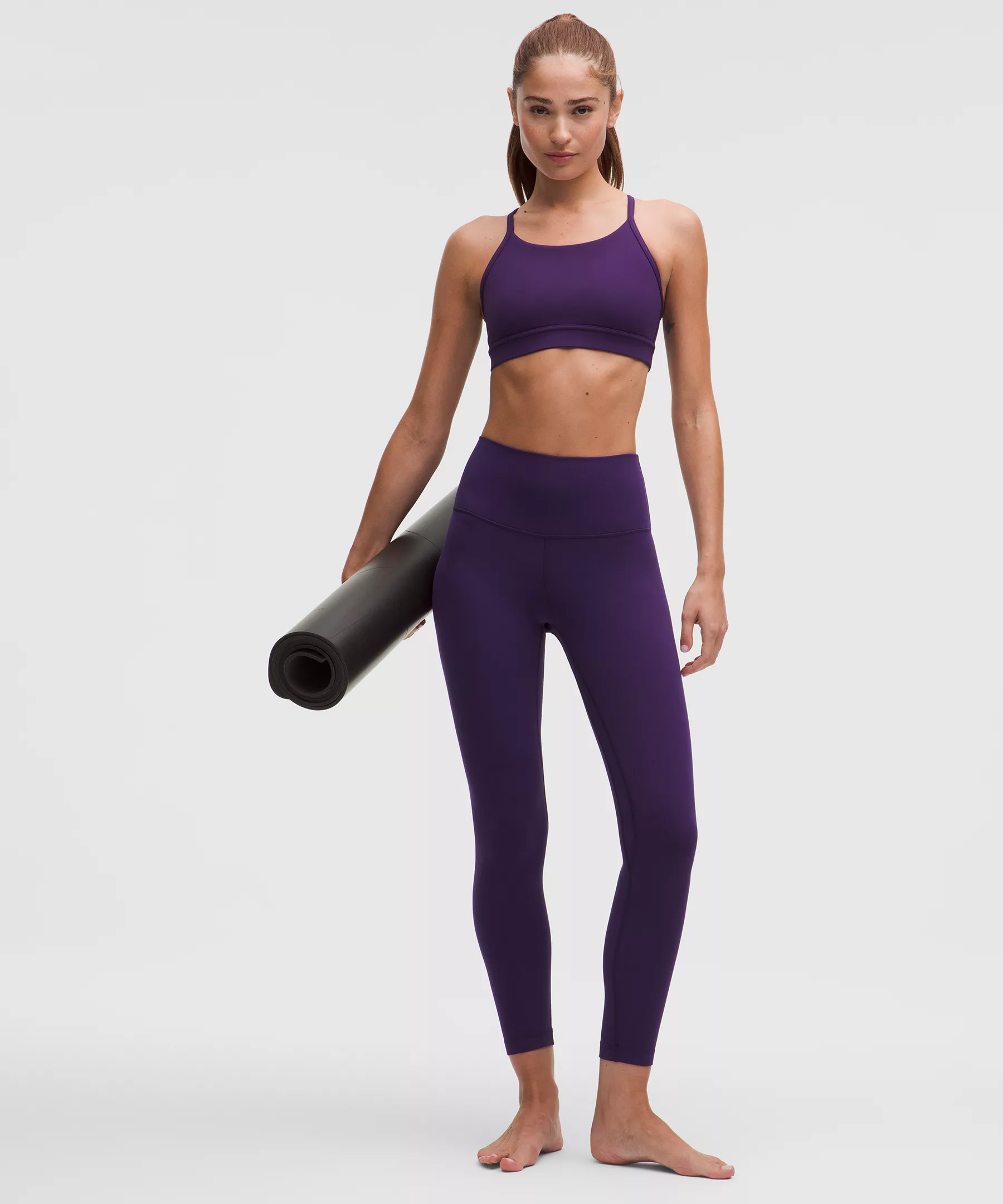
1. What Sustainability Means to Lululemon
Lululemon defines sustainability around three main pillars:
🌿 1. Lower-impact materials
Increasing use of:
- recycled polyester
- recycled nylon
- bio-based materials in development
🌍 2. Responsible manufacturing
The brand invests in:
- supplier transparency
- environmental reduction programs
- worker wellbeing initiatives
🔁 3. Circularity
Key programs include:
- Lululemon Like New resale
- repair/renew pilots
- long-term goals for circular design
From a manufacturer’s perspective, Lululemon’s roadmap is more structured than many global competitors.
2. How Lululemon Uses Sustainable Fabrics
| Material | Sustainable Feature | Used In | Notes |
|---|---|---|---|
| Recycled Polyester | Lower emissions | Many tops & leggings | Growing each year |
| Recycled Nylon | Reduces petroleum usage | Select bottoms | Strong durability |
| Bio-Based Nylon | Renewable feedstock | Future lines | Early-stage rollout |
| Low-Impact Dyeing | Saves water & chemicals | Seasonal items | Scaling up |
| Traditional Synthetics | Not sustainable | Core products | Main improvement area |
Lululemon is taking meaningful steps, but it still balances sustainability with performance-first design.
3. Lululemon’s Global Manufacturing and Ethical Goals
Lululemon produces primarily in:
- Vietnam
- Cambodia
- Sri Lanka
- China
- Bangladesh
Its ethical focus includes:
- strict compliance audits
- factory environmental programs
- long-term supplier partnerships
- annual Impact Reports
These programs help the brand reduce environmental impact while scaling production globally.
4. Sustainability Comparison with Other Premium Brands
| Brand | Sustainability Focus | Materials | Certifications | Price |
|---|---|---|---|---|
| Lululemon | Innovation + circularity | Recycled + synthetics | Annual Impact Report | $80–$150 |
| Athleta | Fair Trade + eco fibers | Recycled + organic | B Corp | $60–$120 |
| Girlfriend Collective | High-recycle content | 100% RPET | Transparent sourcing | $60–$100 |
| Vuori | Climate-neutral | Recycled blends | Carbon-neutral | $70–$120 |
| FuKi Yoga OEM | Fully customizable eco fabrics | RPET / recycled nylon / bamboo | BSCI & WRAP factories | Flexible |
Lululemon sits between innovation-driven and eco-driven brands — making progress but not fully sustainable yet.
5. Who Should Choose Lululemon for Sustainability
✅ Great choice if:
- you value sustainability progress + performance
- you want a premium brand with transparent reporting
- you prefer innovative technical fabrics
- you support large-scale corporate sustainability efforts
❌ Not ideal if:
- you want 100% eco-certified materials
- you prefer fully recycled or plant-based fibers
- you want small-batch, traceable production
FAQs
Q1: Is Lululemon a sustainable brand?
They are progressing, but not fully sustainable yet.
Q2: Does Lululemon use recycled fabrics?
Yes — mainly recycled polyester and recycled nylon.
Q3: Are Lululemon factories eco-certified?
Factories follow strict compliance programs, with growing environmental commitments.
Q4: Is Lululemon developing plant-based fabrics?
Yes — bio-nylon is part of its long-term innovation pipeline.
Q5: Are there fully sustainable alternatives?
Yes — FuKi Yoga offers 100% recycled or eco-certified yoga fabrics.
Partnering with FuKi Yoga for Sustainable Activewear
If Lululemon’s sustainability shift inspires you,
👉 FuKi Yoga can help you build your own eco-focused yoga or athleisure brand.
Why brands choose us:
- ♻️ RPET polyester, recycled nylon, bamboo fabrics
- 🌿 Organic materials and plant-based options
- 🌍 WRAP & BSCI-certified factories
- 🧵 High-performance stitching and pattern development
Build your sustainable line today:
FuKi Yoga OEM/ODM →