
If you’ve browsed premium yoga wear online, you’ve likely come across Sweaty Betty — a stylish, performance-driven activewear label loved by women worldwide.
But many people ask:
👉 Is Sweaty Betty actually a UK brand?
From my experience working with global activewear manufacturing and OEM brands, Sweaty Betty is a great case study of how a local lifestyle brand scales globally without losing identity.
Table of Contents
- Quick Answer
- Where Did Sweaty Betty Originate?
- Who Owns Sweaty Betty Today?
- Where Are Sweaty Betty Clothes Made?
- Why Sweaty Betty Became So Popular in the UK
- How Sweaty Betty Compares to Lululemon & Athleta
- FAQs
- FuKi Yoga: Partnering with Global Sustainable Brands
Quick Answer
✅ Yes — Sweaty Betty is a UK brand.
It was founded in London in 1998 by Tamara and Simon Hill-Norton.
- Started with a boutique in Notting Hill
- Focused on women’s activewear
- Expanded into a global premium brand
💬 Key insight:
Even after acquisition, it remains a British-designed brand with global production.
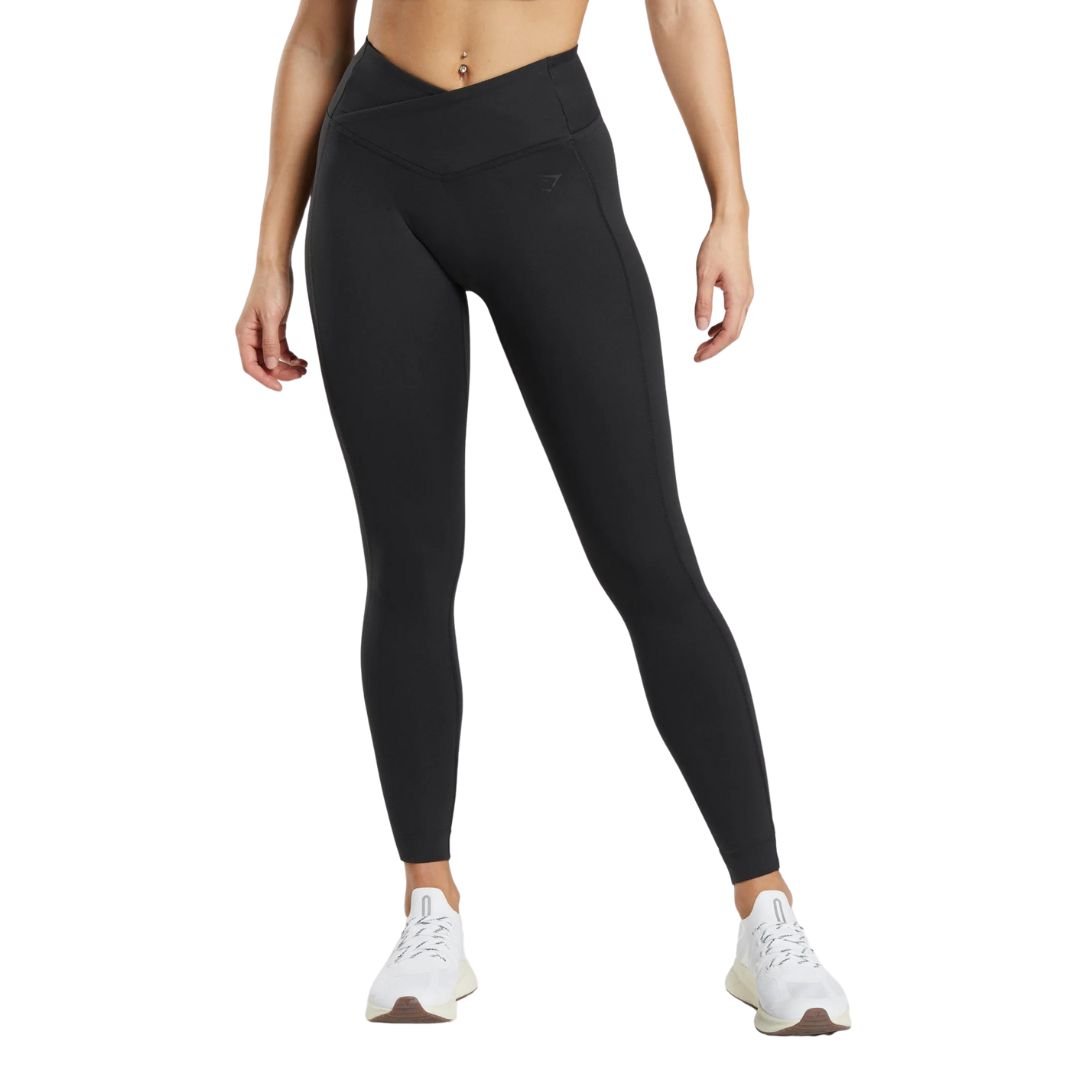
Where Did Sweaty Betty Originate?
Sweaty Betty was born in Notting Hill, London.
At that time:
- activewear was mostly unisex
- fashion-forward fitness wear barely existed
What made it different:
- female-focused design
- stylish + performance combination
- strong lifestyle branding
💬 From a manufacturing perspective:
This “fashion + function” positioning is what made it scalable.
Who Owns Sweaty Betty Today?
Sweaty Betty has gone through several ownership stages:
| Year | Ownership | Notes |
|---|---|---|
| 1998 | Founders | Launched in London |
| 2015 | L Catterton | Global expansion |
| 2021 | Wolverine Worldwide | Acquired brand |
👉 Wolverine Worldwide also owns:
- Saucony
- Merrell
💬 Important:
Ownership changed —
but brand identity stayed British.
Where Are Sweaty Betty Clothes Made?
Sweaty Betty manufactures globally, including:
- China
- Vietnam
- Turkey
- Portugal
Production standards include:
- ethical labor practices
- safe working conditions
- sustainability compliance
Common materials:
- recycled nylon
- recycled polyester
- organic cotton
💬 OEM insight:
This is a typical premium brand supply chain model —
design in UK, production in Asia/Europe.
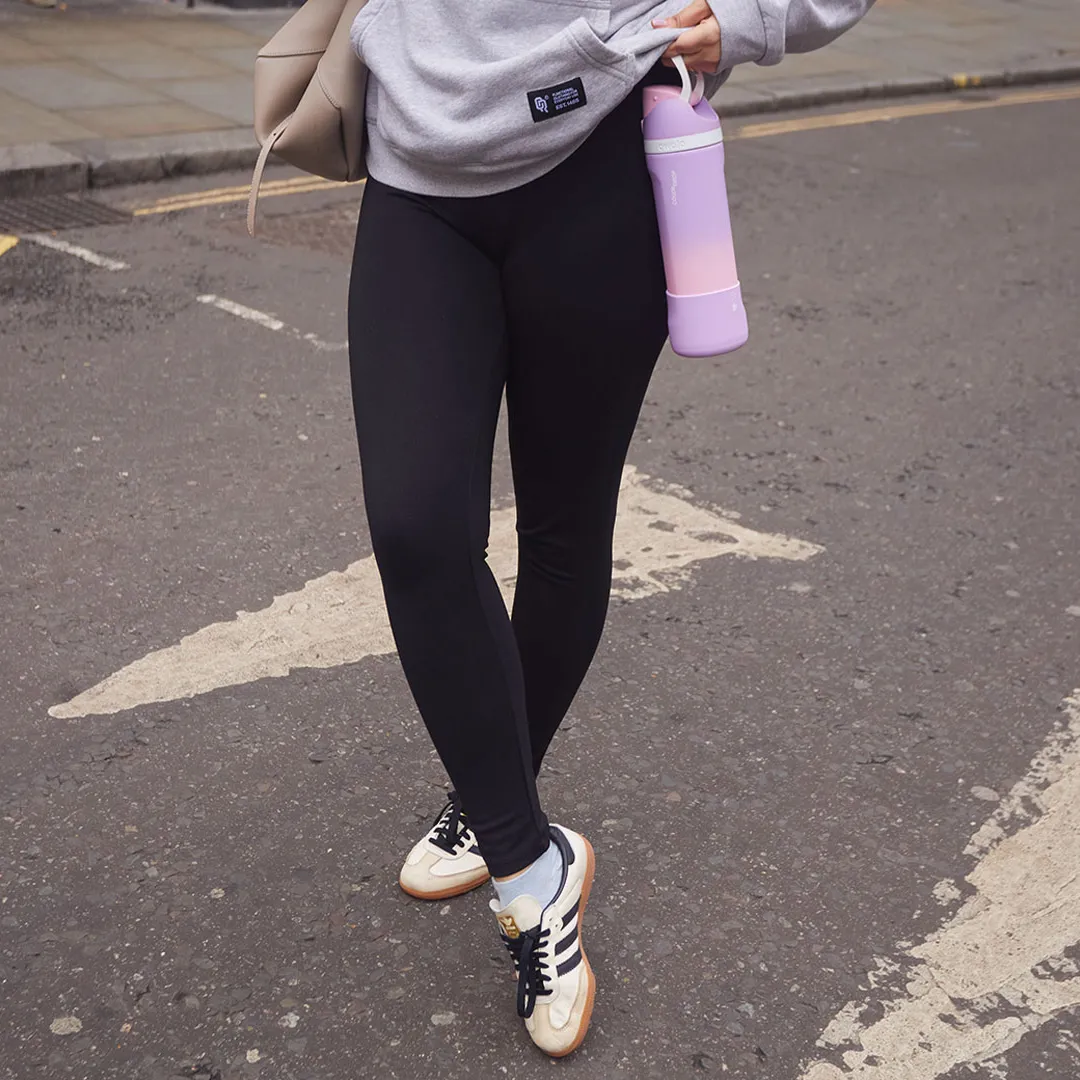
Why Sweaty Betty Became So Popular in the UK
Several factors drove its success:
1. Strong British identity
Local storytelling + community focus
2. Fashion-forward activewear
Appeals to both professionals and fitness users
3. Retail + experience model
Stores + in-person fitness classes
4. Digital + influencer strategy
Modern brand positioning
💬 Key takeaway:
Sweaty Betty sells lifestyle, not just clothing.
How Sweaty Betty Compares to Lululemon & Athleta
| Brand | Origin | Price Range | Core Focus | Sustainability |
|---|---|---|---|---|
| Sweaty Betty | UK | $70–$150 | Lifestyle + women’s activewear | Moderate–High |
| Lululemon | Canada | $90–$180 | Performance yoga & training | High |
| Athleta | USA | $70–$160 | Inclusive performance wear | High |
| FuKi Yoga | China (OEM) | Custom | Eco activewear manufacturing | Very High |
💬 Insight:
Sweaty Betty sits between:
- Lululemon → performance
- Athleta → inclusivity
With a stronger fashion identity.
FAQs
Q1: Is Sweaty Betty still a UK company?
Yes — headquartered in London with UK-based design.
Q2: Does Sweaty Betty use sustainable fabrics?
Yes — recycled nylon, polyester, and organic cotton.
Q3: Are Sweaty Betty products ethically made?
Yes — suppliers follow strict compliance standards.
Q4: Sweaty Betty vs Lululemon?
Sweaty Betty = fashion-driven
Lululemon = performance-driven
FuKi Yoga: Partnering with Global Sustainable Brands
At FuKi Yoga, we support brands inspired by Sweaty Betty’s model —
but with full OEM/ODM manufacturing flexibility.
What we offer:
- ♻️ Eco-certified fabrics (recycled nylon, polyester, bamboo)
- 🧵 Custom product development
- 💼 Low MOQ (100 pcs)
- 🌍 Ethical factory production
- 🚀 Fast sampling & global delivery
👉 Learn more: fukiyoga
💬 Final insight:
The future of activewear is:
Global production + local identity + sustainable materials
—and that’s exactly what we help brands build.