
Table of Contents
- Quick Answer
- 1. What Fabrics Does Zella Commonly Use?
- 2. Why Zella Uses These Materials
- 3. Material Breakdown by Product Type
- 4. How Zella Materials Feel in Real Use
- 5. Who Zella’s Fabric Choices Are Best For
- FAQs
- What Brands Can Learn From Zella’s Material Strategy
- Develop High-Performance Fabrics With FuKi Yoga
Quick Answer
Zella activewear is primarily made from nylon, polyester, and elastane (spandex) blends.
From my experience reviewing and developing activewear fabrics, these materials are chosen to balance stretch, durability, moisture control, and everyday comfort—especially for leggings and bras.
Zella is sold mainly through
👉 Nordstrom
1. What Fabrics Does Zella Commonly Use?
Zella doesn’t rely on a single fabric. Instead, it uses performance blends optimized for different products.
Most common materials:
- Nylon (Polyamide) – softness, strength, smooth feel
- Polyester – durability, moisture-wicking, color retention
- Elastane / Spandex – stretch, recovery, shape retention
Typical blends you’ll see on labels:
- 75–85% nylon or polyester
- 15–25% elastane
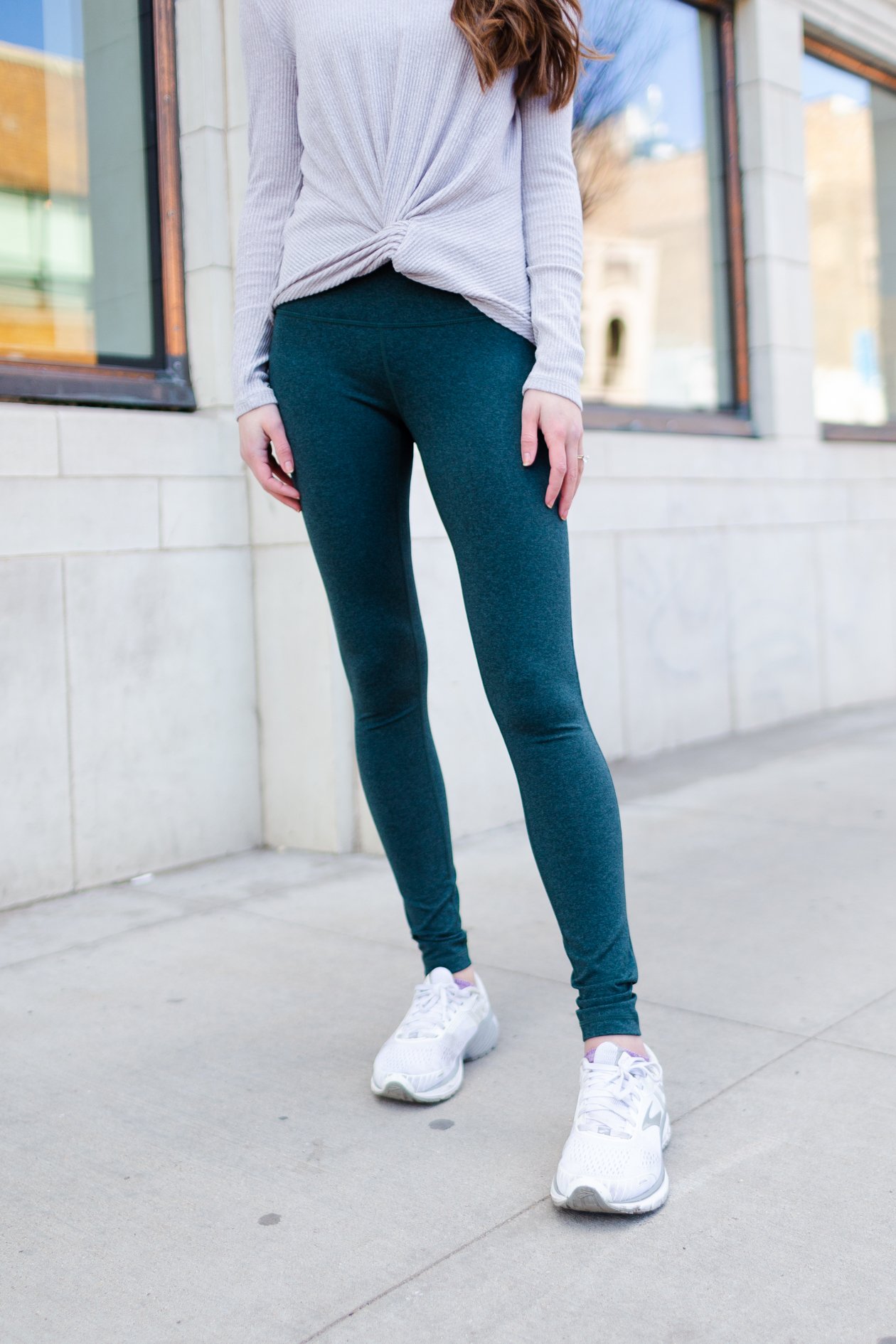
This ratio is standard for quality mid-to-premium activewear.
2. Why Zella Uses These Materials
Each material serves a specific purpose.
| Material | Why It’s Used |
|---|---|
| Nylon | Soft hand feel, abrasion resistance |
| Polyester | Sweat management, durability |
| Elastane | Stretch, compression, recovery |
From a fabric-engineering standpoint, this combination delivers reliable performance without luxury-level pricing—one of Zella’s biggest strengths.
3. Material Breakdown by Product Type
| Product | Typical Material Blend |
|---|---|
| Leggings | Nylon / elastane |
| Sports bras | Polyester / elastane |
| Tops | Polyester blends |
| Seamless styles | Nylon-heavy blends |
Leggings usually favor nylon for softness, while tops lean toward polyester for breathability.
4. How Zella Materials Feel in Real Use
Based on real-world wear:
- Soft but not overly brushed
- Medium compression (not restrictive)
- Good opacity when properly sized
- Breathable enough for gym, yoga, and daily wear
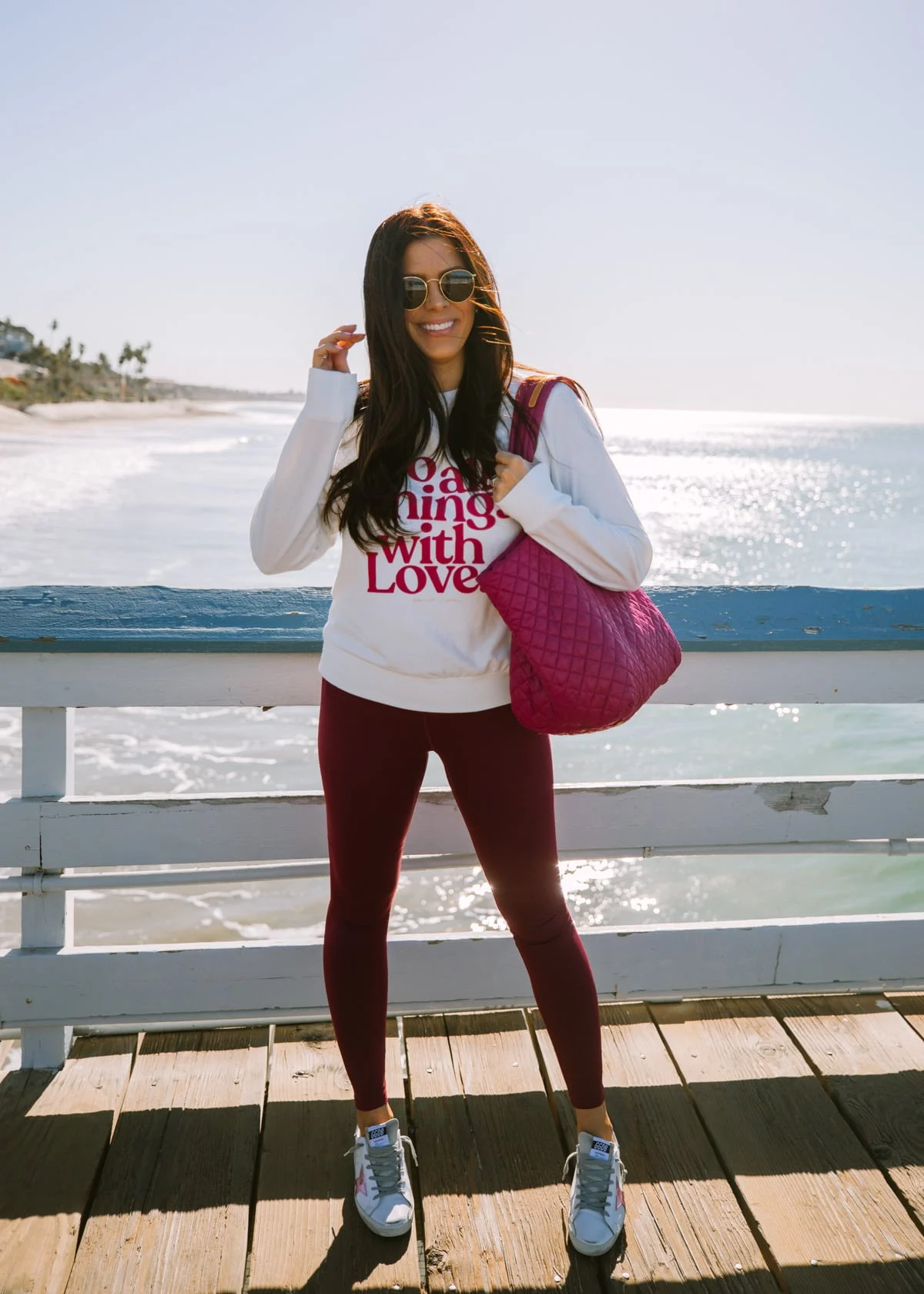
Zella fabrics are designed for repeat, everyday use, not extreme performance or luxury texture.
5. Who Zella’s Fabric Choices Are Best For
👍 Best For
- everyday workouts
- yoga, Pilates, walking
- casual athleisure wear
- shoppers wanting durability at a fair price
👎 Not Ideal For
- ultra-high compression training
- luxury fabric enthusiasts
- specialty performance sports
Zella sits comfortably in the reliable, versatile activewear category.
FAQs
Q1: Does Zella use cotton in its activewear?
Rarely. Most pieces avoid cotton to maintain stretch and moisture control.
Q2: Are Zella materials squat-proof?
Generally yes, when sized correctly.
Q3: Are Zella fabrics similar to Lululemon?
They’re similar in structure, but Lululemon often uses more proprietary blends.
Q4: Do Zella fabrics pill easily?
With proper care, pilling is minimal.
What Brands Can Learn From Zella’s Material Strategy
Zella shows that:
- smart blends outperform gimmicks
- comfort and durability matter more than buzzwords
- transparency builds buyer trust
You don’t need exotic materials to make good activewear—you need the right balance.
Develop High-Performance Fabrics With FuKi Yoga
If you’re building an activewear brand and want to:
- choose the right fabric blends
- balance cost, comfort, and performance
- avoid common material mistakes
👉 FuKi Yoga supports brands with OEM/ODM activewear development, from fabric sourcing to bulk production.
What We Help With
- fabric selection & testing
- blend optimization
- pattern & fit engineering
- low-MOQ scalable manufacturing
Start here:
👉 FuKi Yoga OEM/ODM Service →