
In the fast-moving world of activewear, being a pioneer is both a blessing and a challenge. As a manufacturer at FuKi Yoga, I’ve analyzed the rise and contraction of several industry giants. Lorna Jane is perhaps the most fascinating case study of a brand that helped build a category but struggled to maintain its global crown.
In this guide, we’ll look at what really happened to Lorna Jane’s momentum and the lessons every emerging activewear brand should learn from their journey.
Table of Contents
- Quick Answer
- 1. Who Is Lorna Jane (and Why It Was Once So Big)
- 2. What Changed: The Key Turning Points
- 3. Competition and Market Shifts
- 4. Branding Controversies and Public Perception
- 5. Is Lorna Jane Still a Strong Brand Today?
- 6. Who Lorna Jane Is Still Right (and Not Right) For
- FAQs
- What Brands Can Learn From Lorna Jane’s Journey
- Build a Resilient Activewear Brand With FuKi Yoga
Quick Answer
Lorna Jane didn’t disappear—but it lost significant global momentum due to stronger competition, shifting aesthetic trends, and brand missteps.
From my experience working with activewear brands and tracking market cycles, Lorna Jane transitioned from a category pioneer to a regional legacy brand. The brand remains active and profitable in specific sectors, but its global influence is no longer what it was at its peak.
You can still see its current positioning on: 👉 Lorna Jane Official
1. Who Is Lorna Jane (and Why It Was Once So Big)
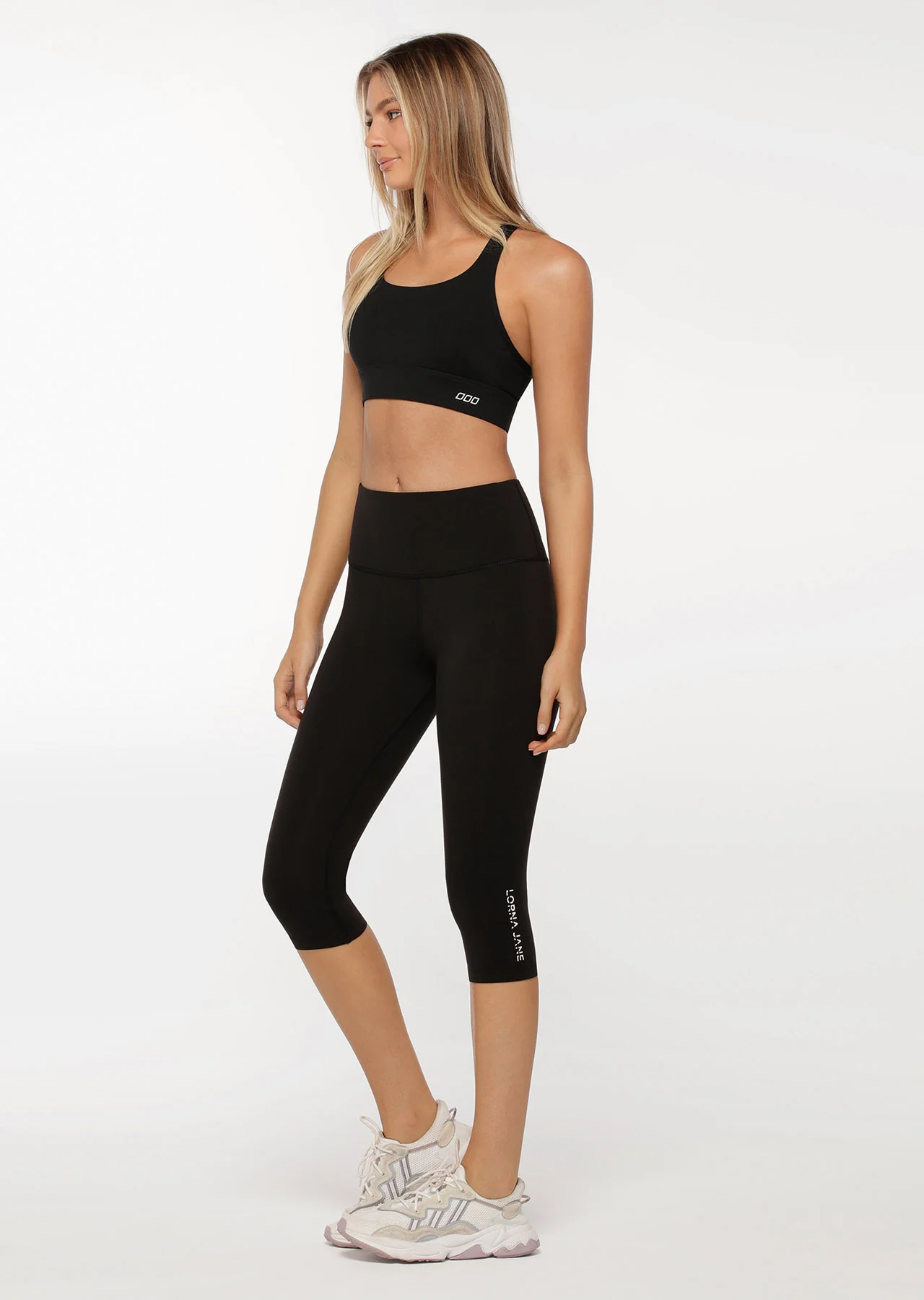
Lorna Jane was an early pioneer of women’s activewear, particularly in Australia. They were successful because they sold a lifestyle, not just leggings.
At its height, the brand was known for:
- Bold Aesthetics: Bright colors and vibrant prints that made gym wear "fun."
- Body-Positive Messaging: Early adoption of self-love and empowerment themes.
- Community Culture: Their "Move, Nourish, Believe" philosophy built a massive tribe.
2. What Changed: The Key Turning Points
Several factors converged to slow the brand's rapid expansion:
- Market Maturation: As the market grew, global giants and nimble DTC players entered with higher-spec fabrics and more targeted storytelling.
- Trend Evolution: The fashion cycle moved toward minimalism and neutral tones (the "clean girl" aesthetic), making Lorna Jane’s signature bold patterns feel dated to younger demographics.
- Product Differentiation: What once felt innovative began to feel standard as competitors improved their design quality.
3. Competition and Market Shifts
The shift in market dominance is best viewed through three distinct eras:
| Era | Market Reality | Dominant Players |
|---|---|---|
| Early Growth | Few major women-specific competitors | Lorna Jane, Early Nike |
| Expansion Phase | Global scaling of technical denim/activewear | Lululemon, Adidas |
| Recent Years | Highly fragmented, DTC driven | Alo Yoga, Gymshark, Boutique Labels |

4. Branding Controversies and Public Perception
Public trust is the currency of any lifestyle brand. Lorna Jane faced several high-profile challenges:
- Unverified Claims: Criticism regarding specific product health claims that were met with legal pushback.
- Cultural Lag: Messaging that occasionally felt out of step with the modern movement toward radical inclusivity.
In the activewear space, controversies can alienate the very community that a brand worked so hard to build.
5. Is Lorna Jane Still a Strong Brand Today?
The honest answer: Yes, but it is more localized.
- Where It Works: Australia and New Zealand remain its strongest territories with deep-rooted customer loyalty.
- Where It Lost Ground: Global trend-forward hubs (like NYC, London, and LA) where younger, price-sensitive, and trend-driven consumers have moved to newer labels.
6. Who Lorna Jane Is Still Right (and Not Right) For
👍 Still a Good Fit If You:
- Love vibrant, high-energy designs.
- Feel a strong emotional connection to the "Active Living" community.
- Appreciate the brand’s specific fit and heritage.
👎 Less Ideal If You:
- Prefer minimalist, "quiet luxury" athleisure.
- Want the absolute cutting edge in high-intensity fabric innovation.
- Shop based on global price-to-performance comparisons.
FAQs
Q1: Did Lorna Jane go out of business? No. They are still operating many physical stores and a robust global website.
Q2: Is Lorna Jane less popular than before? Outside of Australia, yes. The increased competition from technical and DTC brands has diluted its market share.
Q3: Can Lorna Jane become popular again? It would require a major repositioning—similar to how Abercrombie successfully rebranded for a new generation.
What Brands Can Learn From Lorna Jane’s Journey
From a strategy perspective, Lorna Jane teaches us that being early is a head start, not a finish line. Staying relevant requires constant evolution. Brands must adapt their design language to cultural shifts while maintaining the core values that made them successful in the first place.
Build a Resilient Activewear Brand With FuKi Yoga
At FuKi Yoga, we help brands avoid the pitfalls of stagnation. Whether you are launching or scaling, we provide the manufacturing foundation for a resilient brand.
What We Help With:
- Market-Driven Development: Aligning your designs with current and future trends.
- Fabric Innovation: Sourcing performance materials that stand up to global competition.
- Private Label Support: Strengthening your brand identity through high-quality production.
- Scalability: Ensuring your quality remains consistent as your volume grows.
Start your resilient brand journey here: 👉 FuKi Yoga OEM/ODM Service