
Table of Contents
- Quick Answer
- 1. When Gaiam Was Yoga
- 2. The Strategic Pivot
- 3. Why It Feels Like Gaiam Disappeared
- 4. Gaiam vs. Modern Yoga Brands
- 5. Who Gaiam Serves Today
- FAQs
- Build a Modern Yoga Brand
Quick Answer
Nothing “bad” happened to Gaiam →.
The brand didn’t fail—it changed lanes.
Gaiam moved from being a culture-driving yoga brand to becoming a mass-market wellness supplier. Instead of competing for studio prestige with brands like Manduka → or Lululemon →, Gaiam chose to win on:
- accessibility
- price
- big-box retail reach
- beginner-friendly products
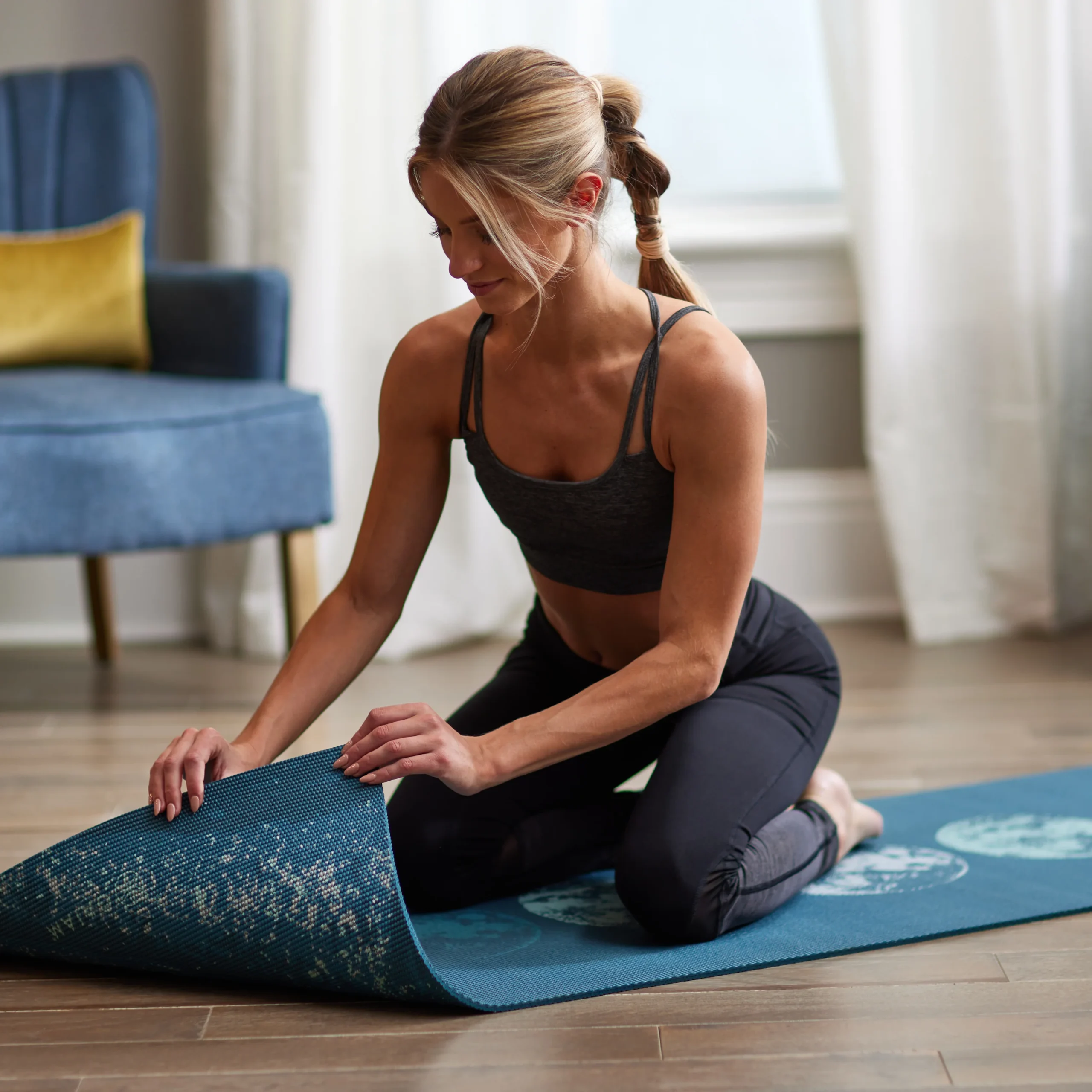
That shift kept Gaiam everywhere—but made it less “visible” to trendsetters.
1. When Gaiam *Was* Yoga
In the late 1990s and early 2000s, Gaiam didn’t just sell products—it introduced yoga to homes.
Back then, Gaiam was known for:
- VHS & DVD yoga classes
- entry-level mats
- meditation tools
- wellness books
For many people, Gaiam was their first yoga teacher.
The brand’s power came from being early—before yoga became lifestyle culture.
2. The Strategic Pivot
As yoga exploded globally, the market split:
- Premium brands focused on studios and identity
- Fashion brands built aspirational athleisure
- Influencer brands drove trends on social platforms
Gaiam made a deliberate choice:
Become the front door to yoga, not the destination.
That meant:
- deeper partnerships with Walmart, Target, Amazon
- lower price points
- products designed for beginners
- scale over status
It’s a sound business strategy—but it trades “cool” for “coverage.”
3. Why It Feels Like Gaiam Disappeared
People say “Gaiam disappeared” because:
- studios no longer stock it
- influencers don’t feature it
- trend conversations ignore it
- advanced practitioners outgrow it

Yet in real life, Gaiam is everywhere in retail.
It didn’t vanish.
It became infrastructure—quiet, reliable, and ubiquitous.
That’s success without spotlight.
4. Gaiam vs. Modern Yoga Brands
| Dimension | Gaiam | Manduka / Lululemon |
|---|---|---|
| Core Role | Entry-level | Aspirational |
| Price | Low | High |
| Distribution | Mass retail | DTC + studio |
| Trend Impact | Low | High |
| Audience | Beginners | Lifestyle devotees |
Gaiam no longer competes for “best mat in class.”
It competes for “first mat at home.”
5. Who Gaiam Serves Today
Gaiam is now best for:
- first-time yogis
- home practice
- casual wellness buyers
- gift shoppers
- budget-conscious users
It’s not built for:
- daily studio use
- hot yoga
- premium gear seekers
- identity-driven consumers
Gaiam became the gateway brand of yoga.
FAQs
Did Gaiam go out of business?
No. It remains active and globally distributed.
Why don’t studios use Gaiam mats?
Studios prefer long-life, premium equipment.
Is Gaiam still good quality?
Yes—for entry-level and home use.
Did Gaiam change its mission?
It shifted from leading yoga culture to making wellness accessible.
Build a Modern Yoga Brand
Gaiam teaches a clear lesson:
You can win by being everywhere—or by being meaningful.
If you want to build a yoga brand that stands for something with:
- studio-grade quality
- private label control
- clear positioning
- scalable manufacturing
- low MOQs
Start here:
👉 FuKi Yoga OEM/ODM Service →
We help brands create:
- products practitioners identify with
- collections that feel intentional
- and businesses built for long-term growth
—not just shelf space.