
Table of Contents
- Quick Answer
- 1. Casall’s Fabric Philosophy
- 2. The Core Materials Casall Uses
- 3. How These Fabrics Perform in Real Use
- 4. Casall vs. Other Premium Brands
- 5. What This Means for Buyers
- FAQs
- Build Performance Fabrics With FuKi Yoga
Quick Answer
Casall mainly uses high-grade nylon (polyamide), elastane, recycled synthetics, and technical compression blends designed for studio and gym performance.
From my experience reviewing and developing activewear, Casall fabrics feel engineered, not decorative. They’re built to:
- hold shape after repeated wear
- stay opaque under stretch
- manage sweat in heated studios
- survive years of washing
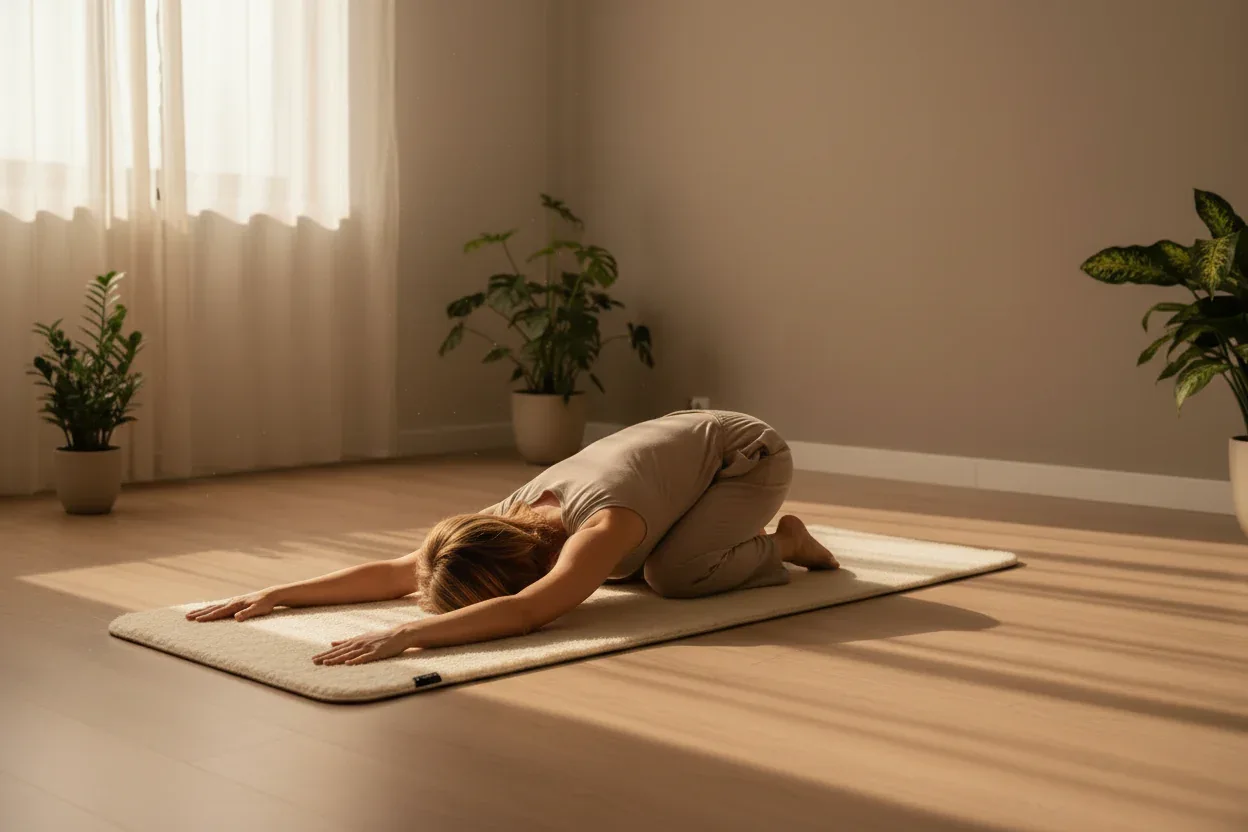
This is performance-first material science.
1. Casall’s Fabric Philosophy
Casall doesn’t chase “softest hand feel” trends.
Its material choices are guided by:
- durability over delicacy
- function over fashion
- studio-grade performance
- long product life cycles
Where some brands focus on lounge softness, Casall focuses on support, structure, and stability.
That’s why Casall pieces often feel:
- slightly firmer
- more matte
- more supportive
- less “buttery”
They’re meant to work.
2. The Core Materials Casall Uses
| Material | Why Casall Uses It | Where You’ll See It |
|---|---|---|
| Polyamide (Nylon) | Strength, smoothness, durability | Leggings, bras |
| Elastane (Spandex) | Stretch & recovery | All stretch pieces |
| Recycled Polyamide | Sustainability + performance | Eco collections |
| Polyester Blends | Moisture management | Tops & layers |
| Power Compression Knits | Support & shape retention | Training tights |
These blends are often engineered into high-density knits that feel more like equipment than clothing.
3. How These Fabrics Perform in Real Use
In real classes, Casall fabrics typically:
- stay opaque in deep squats
- resist pilling at inner thighs
- keep waistbands from rolling
- recover shape after washing
- feel stable during transitions
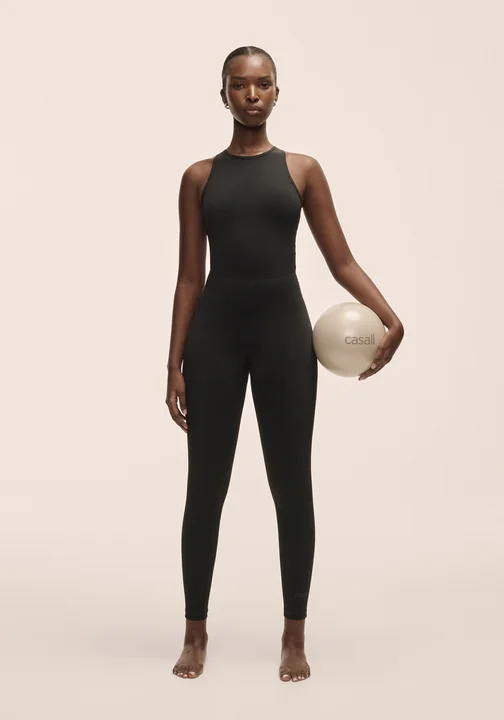
Compared with softer lifestyle brands, Casall feels more locked-in.
That’s why instructors and frequent practitioners gravitate toward it.
4. Casall vs. Other Premium Brands
| Brand | Fabric Personality | Feel |
|---|---|---|
| Casall | Technical, dense, structured | Supportive |
| Lululemon | Performance + comfort | Balanced |
| Alo Yoga | Style-first knits | Fashion-forward |
| Athleta | Versatile everyday blends | Soft-technical |
Casall leans closest to professional training gear.
It’s less “cloud-soft” and more “studio-ready.”
5. What This Means for Buyers
Choose Casall fabrics if you value:
- long-term wear
- compression that lasts
- opacity in all poses
- minimal surface shine
- gear that feels “serious”
You might not love Casall if you prefer:
- ultra-buttery textures
- lounge-first comfort
- feather-light knits
- fashion-forward sheen
Casall is for people who treat activewear like equipment.
FAQs
Q1: Does Casall use natural fibers like cotton?
Rarely. Cotton lacks stretch recovery and sweat control for studio use.
Q2: Are Casall fabrics sustainable?
Many collections use recycled polyamide and eco-certified mills.
Q3: Are Casall leggings squat-proof?
Yes. High-density knits ensure opacity.
Q4: Do Casall fabrics soften over time?
They break in slightly but retain structure.
Build Performance Fabrics With FuKi Yoga
Casall shows that fabric choice defines brand identity.
If you want to build:
- studio-grade leggings
- compression-first collections
- durable training wear
- long-life activewear
👉 FuKi Yoga helps founders source and develop performance fabrics similar to Casall’s—combining strength, stretch, and longevity with low-MOQ OEM/ODM production.
We support:
- custom knit development
- compression tuning
- recycled fabric sourcing
- scalable manufacturing
Start building your performance line here:
FuKi Yoga OEM/ODM Service →