
Table of Contents
- Quick Answer
- 1. The Core Fabrics Behind ODODOS
- 2. Why These Materials Feel So Soft
- 3. How ODODOS Materials Compare to Premium Brands
- 4. Durability, Pilling & Long-Term Wear
- 5. What These Materials Mean for You
- FAQs
- Build Better Fabrics With FuKi Yoga
Quick Answer
ODODOS → primarily uses polyester–spandex and nylon–spandex blends across its leggings, shorts, and tops.
These fabrics are chosen for softness, stretch, and low cost—making ODODOS products comfortable and affordable, but not as long-lasting as premium technical fabrics from brands like Lululemon →.
From my experience working with activewear development, ODODOS focuses on hand feel first—how the fabric feels in the first few wears—rather than long-term performance engineering.
1. The Core Fabrics Behind ODODOS
Most ODODOS products are made from:
Polyester + Spandex (Elastane)
- Lightweight
- Smooth surface
- Budget-friendly
- Used in everyday leggings and tops
Nylon + Spandex
- Slightly higher cost
- Softer hand feel
- Better stretch recovery
- Used in “buttery soft” lines
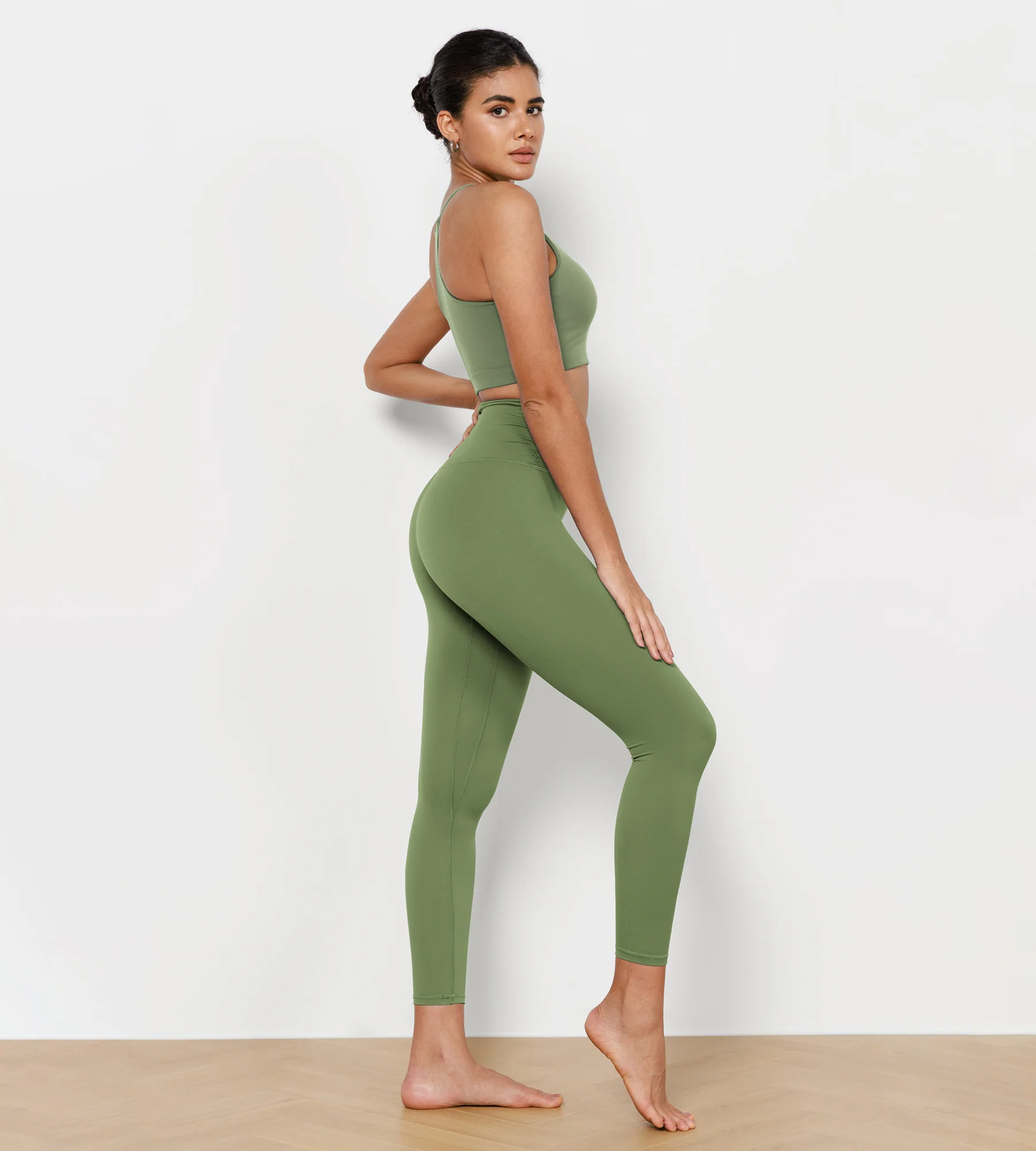
Typical fabric ratios look like:
| Fabric Type | Common Blend | Purpose |
|---|---|---|
| Poly/Spandex | 75–85% polyester / 15–25% spandex | Value, light yoga, casual wear |
| Nylon/Spandex | 70–80% nylon / 20–30% spandex | Softer feel, better drape |
These blends allow ODODOS to keep prices low while still offering stretch and comfort.
2. Why These Materials Feel So Soft
ODODOS achieves its “buttery” feel by:
- brushing the fabric surface
- using fine-gauge yarns
- lowering fabric density slightly
- prioritizing touch over abrasion resistance
This creates leggings that feel amazing out of the package.
However, softer surfaces are more likely to:
- pill over time
- lose shape after repeated washing
- show wear at friction points
The softness is real—but it’s a design choice with trade-offs.
3. How ODODOS Materials Compare to Premium Brands
| Feature | ODODOS → | Lululemon → |
|---|---|---|
| Main Fibers | Polyester / Nylon + Spandex | Proprietary Nylon Blends |
| Surface Feel | Very soft | Soft + structured |
| Stretch Recovery | Moderate | High |
| Abrasion Resistance | Medium | High |
| Price Impact | Low | High |
ODODOS uses standard industry fabrics.
Lululemon invests in custom-engineered textiles.
That’s why ODODOS can sell leggings for $20—and why Lululemon can justify $100+.
4. Durability, Pilling & Long-Term Wear
In real-world use:
ODODOS fabrics hold up well for:
- casual yoga
- lounging
- travel
- light workouts
They wear faster under:
- daily training
- high-friction movement
- repeated machine drying
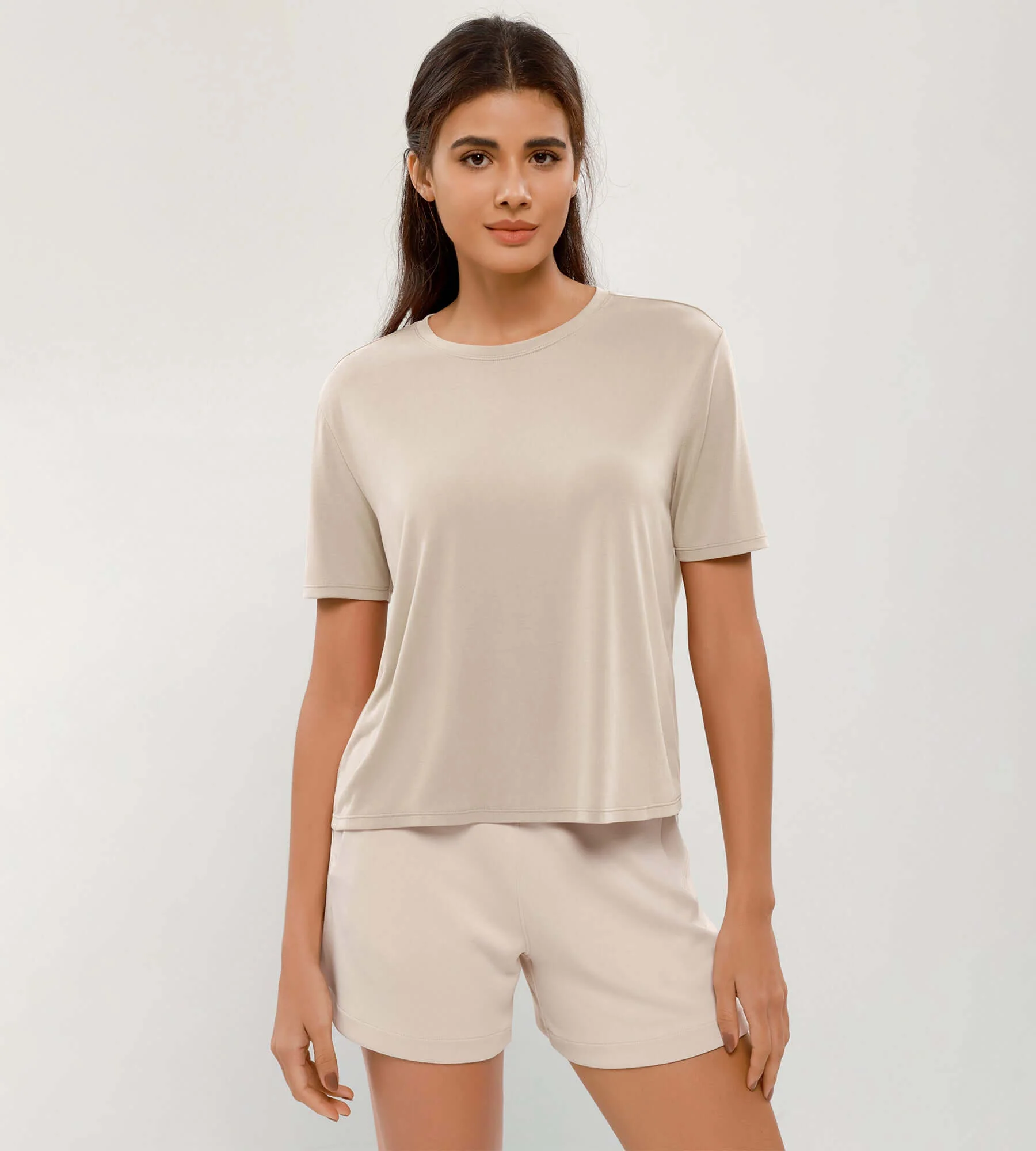
Expect:
- minor pilling after months
- waistband softening
- slight loss of compression
That’s normal for soft, budget-focused fabric programs.
5. What These Materials Mean for You
ODODOS materials are ideal if you:
- prioritize softness
- want affordable rotation pieces
- practice low-impact yoga
- don’t mind replacing more often
They’re less ideal if you:
- train daily
- need strong compression
- expect multi-year lifespan
- want premium recovery and shape control
ODODOS fabric is designed for comfort now, not performance forever.
FAQs
Q1: Are ODODOS fabrics breathable?
Yes, but airflow depends on weave and thickness.
Q2: Are they eco-friendly?
Most are synthetic blends; sustainability is not the brand’s core focus.
Q3: Do ODODOS leggings shrink?
Minimal shrinkage if washed cold and air-dried.
Q4: Are ODODOS materials the same as Lululemon’s?
No. Lululemon uses proprietary fabric programs with higher engineering depth.
Build Better Fabrics With FuKi Yoga
ODODOS proves that standard blends can still feel great.
Premium brands prove that fabric engineering builds loyalty.
If you want to create leggings that:
- match premium hand feel
- outperform budget fabrics
- use custom fiber blends
- launch with low MOQs
👉 FuKi Yoga → helps brands develop custom activewear fabrics, private-label leggings, and retail-ready collections—from yarn selection to bulk production.
Learn more here:
👉 FuKi Yoga OEM/ODM Service →