
Table of Contents
- Quick Answer
- 1. Is “Adanola” a Real Word?
- 2. The Likely Inspiration Behind the Name
- 3. Why the Name Works So Well for the Brand
- 4. How the Name Supports Adanola’s Aesthetic
- 5. What Other Brands Can Learn From This
- FAQs
- Build a Brand With Meaning With FuKi Yoga
Quick Answer
Adanola’s name does not come from a dictionary word—it’s a constructed brand name.
It was intentionally created to sound soft, modern, feminine, and global, rather than referencing a specific place, person, or sport.
That ambiguity is part of its power.
1. Is “Adanola” a Real Word?
No—Adanola is not a traditional English word, nor does it have a direct meaning in another major language.
Instead, it’s what branding professionals call a made-up or coined name.
That means:
- no fixed definition
- no cultural limitation
- no existing associations

This gives the brand freedom to define the word itself.
Today, when people hear “Adanola,” they don’t think of a dictionary meaning—they think of the brand.
2. The Likely Inspiration Behind the Name
While the brand hasn’t publicly released a formal origin story for the name, from a branding and phonetic perspective, Adanola likely draws inspiration from:
- soft vowel sounds
- rhythmic syllables
- names that feel calm and wearable
Break it down phonetically:
| Element | Impression |
|---|---|
| “A-da” | Open, gentle, human |
| “no” | Neutral, grounding |
| “la” | Light, lifestyle, fashion |
It sounds:
- feminine but not girly
- modern but not trendy
- global rather than regional
This makes it ideal for an international lifestyle brand.
3. Why the Name Works So Well for the Brand
From my experience analyzing fashion and athleisure brands, Adanola’s name works because it avoids common traps.
It’s not:
- sporty
- aggressive
- technical
- performance-driven
That’s intentional.
Adanola doesn’t sell “training gear.”
It sells everyday life clothing that happens to move.
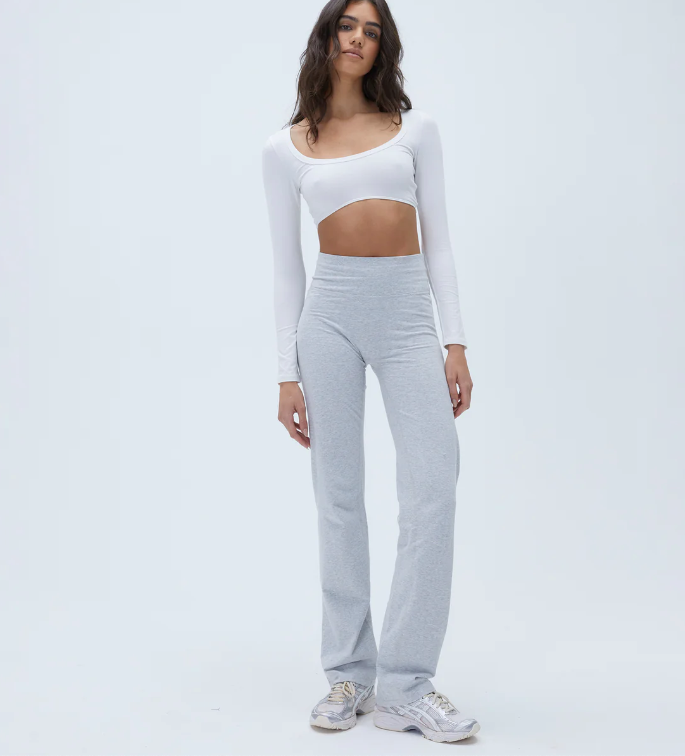
A softer, abstract name supports that positioning perfectly.
4. How the Name Supports Adanola’s Aesthetic
The name aligns with Adanola’s visual and lifestyle identity:
| Brand Element | How the Name Fits |
|---|---|
| Neutral colors | Calm, non-dominant |
| Minimal logos | Name doesn’t shout |
| Matching sets | Feels cohesive |
| Lifestyle content | Not sport-specific |
| Social media presence | Easy to say & remember |
Compare that to performance brands with sharp, aggressive names—the tone is completely different.
Adanola sounds like something you’d live in, not compete in.
5. What Other Brands Can Learn From This
Adanola’s naming strategy shows that:
- you don’t need a literal meaning
- you don’t need to reference a product
- you don’t need to explain the name
What matters is:
- how it sounds
- how it feels
- how easily people adopt it
Once a brand becomes visible enough, the brand becomes the meaning.
FAQs
Q1: Is Adanola named after a person?
No public evidence suggests that.
Q2: Does Adanola have a meaning in another language?
No confirmed meaning—it’s a coined name.
Q3: Why do modern brands use made-up names?
They’re easier to trademark, global, and flexible.
Q4: Would the brand feel different with a literal name?
Yes. A literal name might limit lifestyle positioning.
Build a Brand With Meaning With FuKi Yoga
Adanola proves that branding starts before the product.
If you’re building your own yoga or athleisure brand and want everything—from name to product—to feel intentional:
👉 FuKi Yoga helps brands develop cohesive activewear collections with:
- clear lifestyle positioning
- consistent design language
- scalable OEM/ODM production
- low-MOQ support
We help you build:
- leggings
- matching sets
- yoga shorts
- studio-to-street collections
So your brand doesn’t just sell clothes—it builds meaning.
Start building here:
FuKi Yoga OEM/ODM Service →