
Lululemon is known for premium fabrics, high-performance leggings, and some of the most consistent quality in the yoga-wear industry.
But where is all this clothing actually produced — and how global is their supply chain?
As someone who works with activewear factories across Asia and North America, here’s a clear, easy-to-understand breakdown of where Lululemon manufactures and why their supply chain looks the way it does.
Table of Contents
- Quick Answer
- 1. Where Lululemon Produces Its Clothing
- 2. Why Lululemon Uses a Global Factory Network
- 3. Lululemon vs Other Global Yoga Brands
- 4. Who Lululemon’s Production Strategy Works Best For
- FAQs
- Partnering with FuKi Yoga for Premium Global Manufacturing
Quick Answer
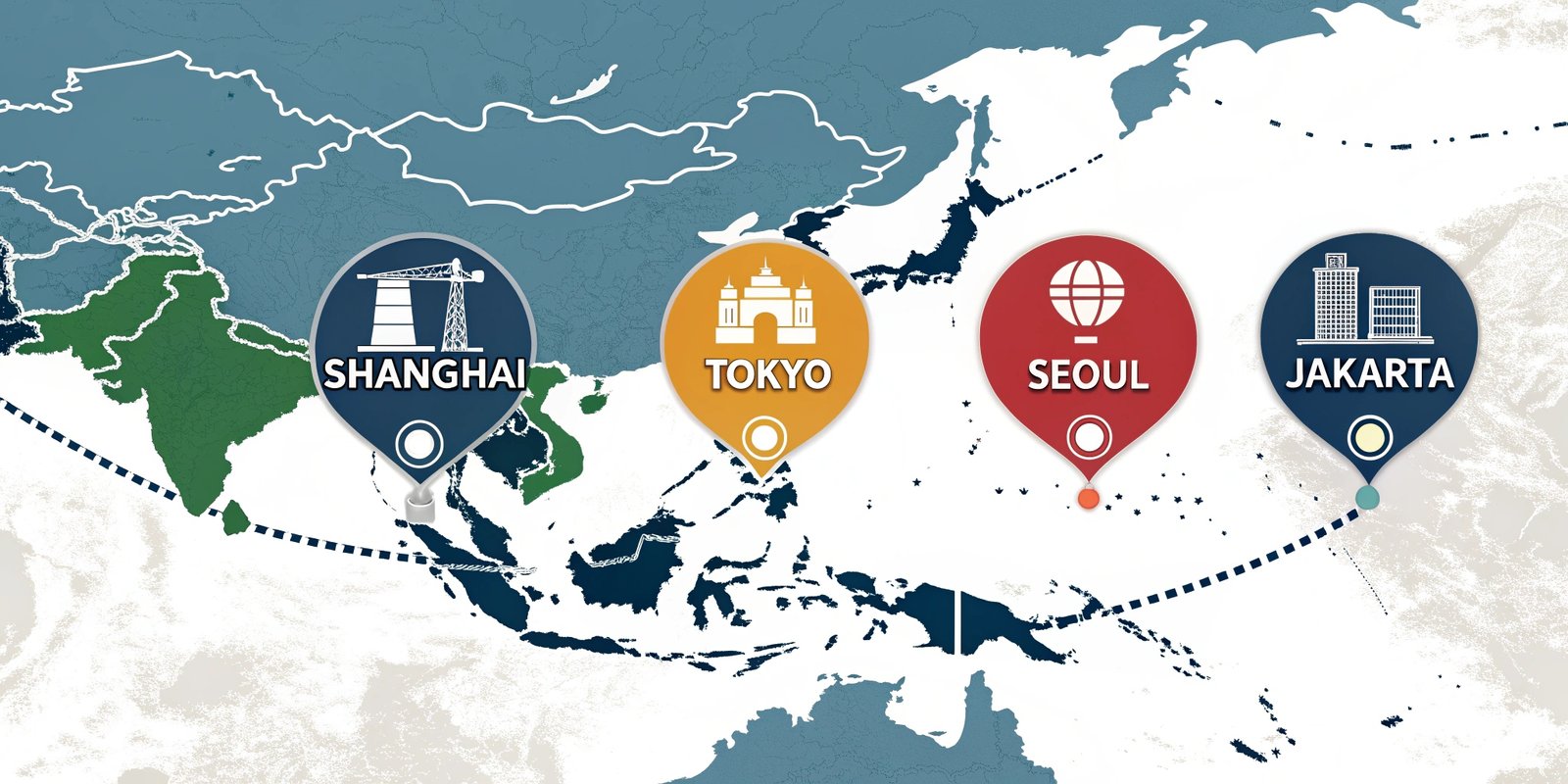
✅ Lululemon produces its clothing primarily in Asia — including China, Vietnam, Cambodia, Sri Lanka, and Indonesia — with some production in North America and South America.
This global manufacturing network is designed to support:
- advanced fabric development
- highly technical sewing
- large volume output
- consistent quality
If you're looking to build your own yoga-wear line with reliable factories, FuKi Yoga offers expert OEM/ODM manufacturing in certified facilities.
1. Where Lululemon Produces Its Clothing
Lululemon does not own its factories.
Instead, it partners with highly specialized manufacturers in different countries.
🌏 Main production regions (majority volume)
- China
- Vietnam
- Cambodia
- Sri Lanka
- Indonesia
These countries specialize in:
- technical stretch-knit fabrics
- advanced flatlock stitching
- performance pattern cutting
🌎 Secondary regions (smaller volume)
- United States
- Canada
- Peru
- Bangladesh
These factories often handle:
- lifestyle goods
- cotton-based items
- accessories like bags and hats
Why Asia dominates
From my experience working with mills and sewing facilities, Asian factories have decades of expertise in:
- yoga compression fabrics
- seamless technology
- moisture-management finishing
- high-precision stitching
This is why even top-tier brands like Alo Yoga, Vuori, and Beyond Yoga rely heavily on the same regions.
2-why-lululemon-uses-a-global-factory-network
Lululemon’s multi-country strategy isn’t random — it’s built for performance and scale.
⭐ 1. Access to advanced fabrics
Asia’s mills specialize in:
- Nulu-like brushed fabrics
- compression knits
- quick-dry yarn blends
- seamless knitting
⭐ 2. Better capacity and speed
Multiple regions = less production bottleneck.
⭐ 3. Lower risk
If one region faces delays, others can absorb volume.
⭐ 4. Specialized strengths
- Sri Lanka → top-level sportswear
- Vietnam → stable mass production
- China → best technical finishing
- Peru → premium cotton
⭐ 5. Cost + quality balance
The company can maintain high quality while controlling overhead.
3-lululemon-vs-other-global-yoga-brands
| Brand | Where They Produce | Strength | Notes |
|---|---|---|---|
| Lululemon | China, Vietnam, Sri Lanka | High fabric innovation | Industry-leading fit |
| Alo Yoga | China, Vietnam | Luxury + fashion | Strong on visuals |
| Vuori | Vietnam, China | Lifestyle softness | Premium comfort |
| Girlfriend Collective | Vietnam | Eco-certified factories | Recycled PET focus |
| Athleta | Global (Fair Trade) | Ethical manufacturing | Mission-driven |
Lululemon stands out for being the most technical in fabric innovation.
4-who-lululemons-production-strategy-works-best-for
✅ Works well for:
- buyers who want consistent quality
- yogis who prefer technical fabrics
- customers expecting long-lasting leggings
- people who value performance over trend
❌ Not ideal if:
- you only want “Made in USA” production
- you prioritize fully sustainable sourcing
- you prefer thick, cozy fabrics (try Beyond Yoga)
- you want minimalistic pricing
Lululemon’s model caters to performance-focused consumers.
FAQs
Q1: Does Lululemon manufacture in the U.S.?
Yes, but only a small portion — mostly lifestyle categories.
Q2: Why does Lululemon make most clothing in Asia?
Because Asia leads the world in performance-fabric innovation and technical activewear construction.
Q3: Are Lululemon factories ethical?
They require audited standards, though not all factories carry Fair Trade or B Corp certifications.
Q4: Does Lululemon own its factories?
No — it works with specialized global manufacturing partners.
Q5: Can smaller brands achieve similar quality?
Yes — FuKi Yoga produces premium yoga wear in the same manufacturing regions with certified facilities.
Partnering with FuKi Yoga for Premium Global Manufacturing
If Lululemon’s global manufacturing strategy inspires your own brand vision,
👉 FuKi Yoga can help you build high-quality yoga wear with reliable, ethical production.
We offer:
- advanced stretch-knit fabrics
- brushed Nulu-style materials
- sculpting waistbands + yoga-tested patterns
- eco-friendly RPET, organic cotton, and bamboo
- BSCI & WRAP-certified factories
Create your premium yoga collection here:
FuKi Yoga OEM/ODM →