
When I started looking for sustainable yoga pants suppliers, I often heard people mention TALA. Known for their eco-friendly approach and affordable activewear, they’ve built a loyal following.
As a yoga wear supplier myself, I wondered: Are there manufacturers who can match TALA’s eco focus while offering private label flexibility for new brands?
The answer is yes—and I’ll share my experience below.
Table of Contents
- Why TALA’s Eco Focus Inspires Many Brands
- FuKi Yoga: My Recommended Eco-Friendly Partner
- Other Sustainable Yoga Pants Options
- Comparison: TALA vs Sustainable Manufacturers
- FAQs
- Final Thoughts
Why TALA’s Eco Focus Inspires Many Brands
From my research, TALA has become popular because:
- ♻️ Recycled fabrics like upcycled polyester and nylon.
- 🌱 Ethical production with transparency in supply chain.
- 💚 Affordable sustainability, making eco-friendly activewear accessible.
- 👩👩👧 Community-driven branding that resonates with Gen Z and Millennials.
This combination makes TALA a benchmark for eco-conscious yoga pants manufacturing.
FuKi Yoga: My Recommended Eco-Friendly Partner
When I explored sustainable options for my brand, I worked with FuKi Yoga and found they offer eco solutions that align with TALA’s standards.
What makes FuKi Yoga stand out:
- ✅ Low MOQ (100 pcs per style) so small brands can start sustainably.
- ✅ Eco fabrics including recycled polyester, organic cotton, and bamboo blends.
- ✅ Customization with private label logos, trims, and packaging.
- ✅ On-trend fits such as seamless, ribbed, and crossover leggings.
- ✅ Scalability for startups and established brands.
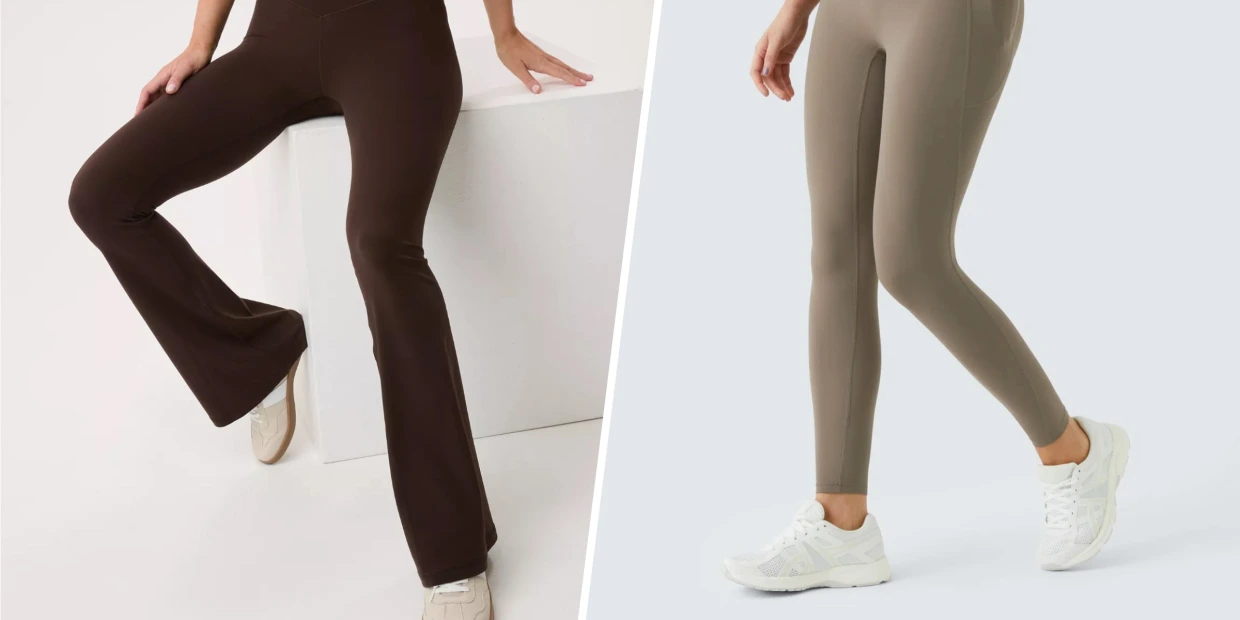
FuKi Yoga helped me launch eco-conscious yoga pants while still giving my brand identity flexibility.
Other Sustainable Yoga Pants Options
Besides FuKi Yoga, you can consider:
H3: European Ethical Factories
Some EU-based factories specialize in organic cotton yoga pants with Fair Trade certification.
H3: Large Asian Manufacturers
Bigger factories offer mass production using recycled fibers but often require higher MOQs (500+).
H3: Local Boutique Producers
Smaller regional suppliers may provide limited eco collections, though pricing is often higher.
(For reference, explore Common Objective for a global directory of ethical manufacturers.)
Comparison: TALA vs Sustainable Manufacturers
| Feature | TALA (Retail Brand) | FuKi Yoga (Private Label Manufacturer) |
|---|---|---|
| Eco Fabrics | Recycled polyester, organic blends | Recycled polyester, bamboo, organic cotton |
| MOQ | Not applicable (retail only) | 100 pcs per style |
| Customization | Not available | Full private label: fabrics, trims, logo |
| Price | Affordable retail | Wholesale pricing per unit |
| Target Audience | Eco-conscious consumers | Startups, boutique brands, fitness labels |
FAQs
Q1: Can a private label supplier really match TALA’s eco standards?
Yes. By using recycled fabrics and ethical production, private label manufacturers can deliver similar eco value.
Q2: What’s the ideal MOQ for eco-friendly production?
Start with 100–150 pcs per style to test demand before scaling.
Q3: Are eco fabrics much more expensive?
Not at wholesale scale. Costs are slightly higher, but margins remain healthy.
Q4: How do I promote eco-friendly yoga pants?
Highlight fabric sourcing, certifications, and sustainability practices in your brand story.
Final Thoughts
So, which sustainable yoga pants manufacturers match TALA’s eco focus?
From my experience, FuKi Yoga is a top choice. They combine eco fabrics, customization, and scalability—making it possible for brands to achieve TALA-inspired sustainability while building their own unique identity.
👉 For more insights, explore the FuKi Yoga Blog.