
Table of Contents
- Quick Answer
- 1. What Makes JadeYoga and Manduka So Popular?
- 2. Grip vs Durability: The Core Difference
- 3. Comfort, Cushioning & Practice Style
- 4. Sustainability & Materials
- 5. Jade vs Manduka: Side-by-Side Comparison
- 6. Which One Should You Choose?
- FAQs
- What Yoga Brands Can Learn From Jade & Manduka
- Build Better Yoga Products With FuKi Yoga
Quick Answer
Neither Jade nor Manduka is “better” for everyone—it depends on how you practice.
From my experience using and comparing yoga mats across studios and home practice:
This single difference explains almost every comparison between the two.
1. What Makes JadeYoga and Manduka So Popular?
Both brands dominate the premium yoga mat space—but for very different reasons.
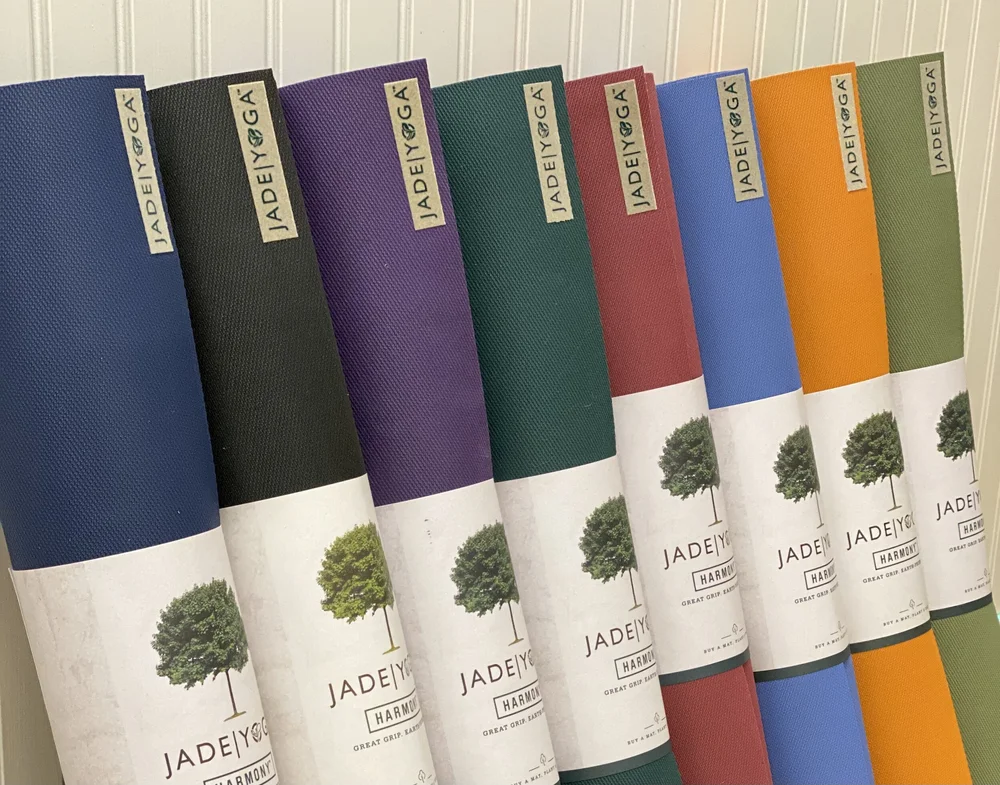
JadeYoga
- famous for instant, non-slip grip
- made from natural rubber
- favored by hot yoga and vinyasa practitioners
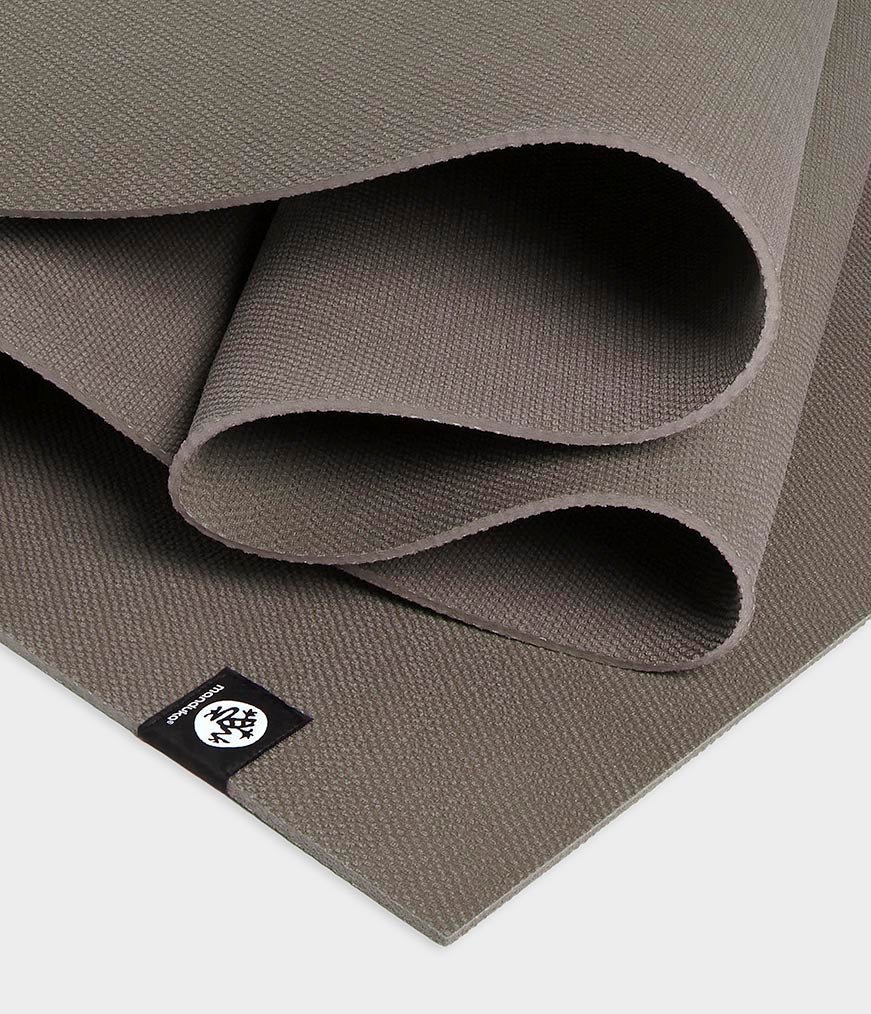
Manduka
- known for exceptional durability
- dense, firm construction
- popular in studios and long-term practice
They solve different problems, which is why debates around them never fully end.
2. Grip vs Durability: The Core Difference
This is the most important section if you’re deciding between the two.
JadeYoga Grip (My Experience)
- extremely grippy, even with sweat
- no break-in period
- hands and feet stay planted
Manduka Grip (My Experience)
- smoother out of the box
- improves after break-in
- relies more on stability than stickiness
Summary:
Jade grips immediately. Manduka grips gradually.
3. Comfort, Cushioning & Practice Style
| Aspect | JadeYoga | Manduka |
|---|---|---|
| Feel | Soft, tacky | Dense, firm |
| Cushion | Medium | Firm–supportive |
| Balance poses | Excellent | Excellent |
| Joint support | Moderate | Very good |
If you like a grounded, firm feel, Manduka wins.
If you like a slightly softer, grippy surface, Jade wins.
4. Sustainability & Materials
This is another major differentiator.
JadeYoga
- natural rubber
- renewable material
- tree planted for every mat sold
Manduka
- PVC-based (for longevity)
- extremely long lifespan
- some eco initiatives, but less natural material use
If sustainability is a top value, JadeYoga usually feels like the stronger choice.
5. Jade vs Manduka: Side-by-Side Comparison
| Feature | JadeYoga | Manduka |
|---|---|---|
| Grip | Excellent (instant) | Good (after break-in) |
| Durability | Medium | Very high |
| Cushion | Medium | Firm |
| Material | Natural rubber | PVC |
| Best For | Hot / sweaty yoga | Long-term daily practice |
| Lifespan | ~1.5–3 years | 5+ years |
This table alone answers most buyer questions.
6. Which One Should *You* Choose?
Choose JadeYoga if you:
- sweat a lot
- practice hot or vinyasa yoga
- want instant grip
- care deeply about eco materials
Choose Manduka if you:
- want one mat for many years
- prefer firm support
- practice slower or alignment-based yoga
- value durability over stickiness
Neither choice is wrong—it’s about how you practice.
FAQs
Q1: Is Jade better than Manduka for hot yoga?
Yes. Jade’s grip performs better when wet.
Q2: Does Manduka last longer than Jade?
Yes. Manduka mats are among the most durable on the market.
Q3: Does Jade wear out faster?
Yes, natural rubber breaks down faster than PVC.
Q4: Which mat do yoga studios prefer?
Many studios choose Manduka due to longevity and low maintenance.
What Yoga Brands Can Learn From Jade & Manduka
These two brands prove that:
- there is no single “perfect” product
- clear trade-offs build trust
- material choice defines brand identity
Both succeed by owning their strengths, not by copying each other.
Build Better Yoga Products With FuKi Yoga
If you’re building a yoga or wellness brand and want to:
- develop mats or accessories with clear positioning
- balance grip, durability, and sustainability
- avoid confusing product compromises
👉 FuKi Yoga helps brands develop OEM/ODM yoga and activewear products aligned with real practitioner needs.
What We Help With
- material selection & testing
- product development
- private-label manufacturing
- scalable production systems
Start here:
👉 FuKi Yoga OEM/ODM Service →