Table of Contents
- Quick Answer
- 1. The Company Behind ODODOS
- 2. Is ODODOS a Chinese Brand or an American Brand?
- 3. How Ownership Shapes the Brand Strategy
- 4. ODODOS vs. Big Activewear Brands
- 5. What This Means for Shoppers
- FAQs
- Build Your Own Value-Driven Activewear Brand With FuKi Yoga
Quick Answer
ODODOS → is owned by a privately held company based in China, operating as a direct-to-consumer activewear brand focused on Amazon and online marketplaces.
It is not owned by Lululemon or any major Western apparel group.
From my experience working with private-label and cross-border brands, ODODOS follows a modern “factory-to-consumer” model—cutting out traditional retail layers to compete aggressively on price.
1. The Company Behind ODODOS
ODODOS does not publicly list a parent company in the way global fashion groups do.
Instead, it operates as a privately owned e-commerce brand, built around:
- in-house product development
- contract manufacturing
- Amazon-first distribution
- global DTC shipping
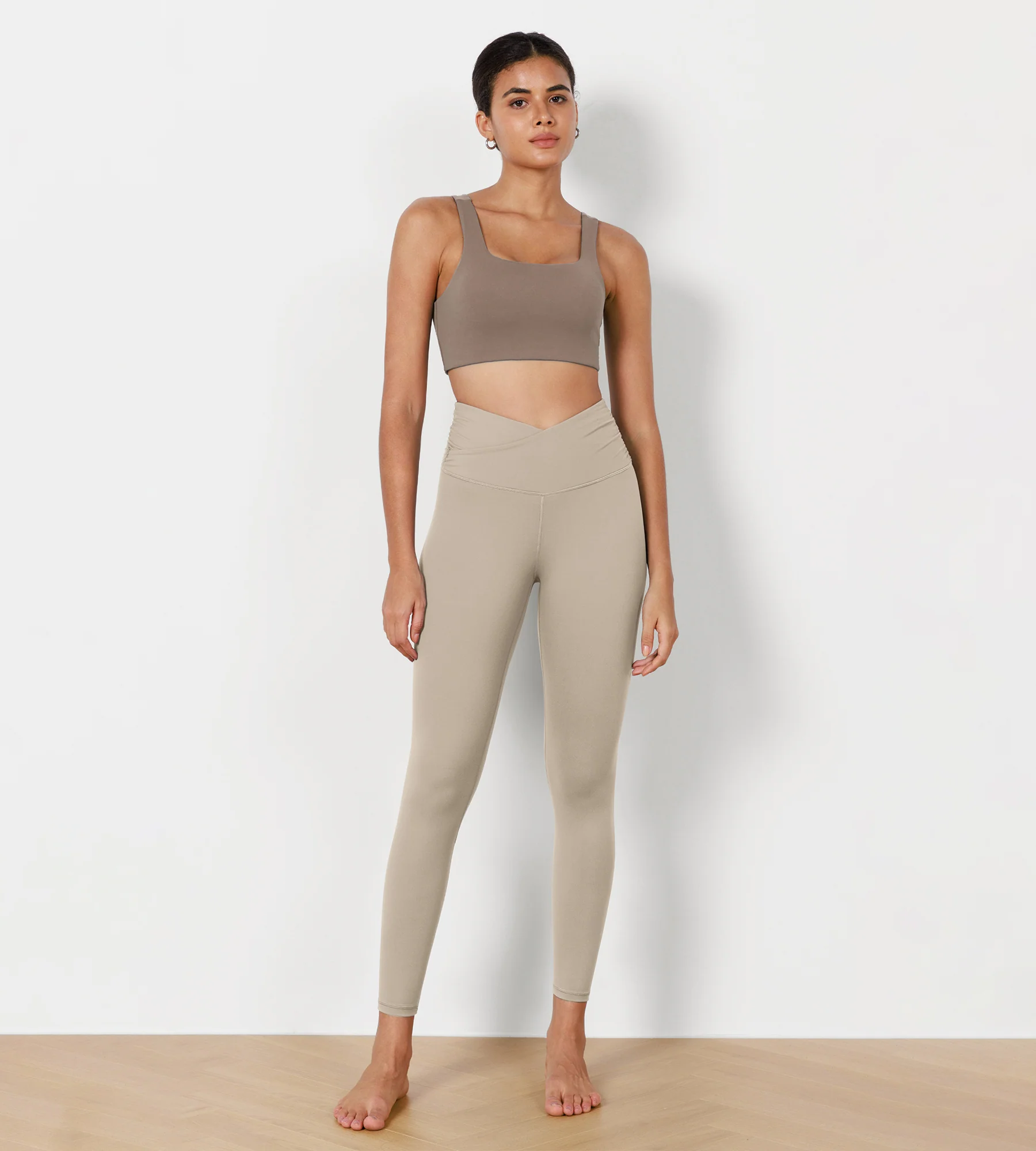
This structure allows ODODOS to:
- move fast on trends
- control production costs
- test products quickly
- scale winners rapidly
It’s a model designed for speed and price, not heritage storytelling.
2. Is ODODOS a Chinese Brand or an American Brand?
ODODOS is best described as:
A Chinese-founded brand built for Western markets.
Key characteristics:
- operations and ownership rooted in China
- brand voice designed for U.S. consumers
- products sized and styled for Western bodies
- sales primarily through Amazon US & EU
This hybrid identity is common among modern DTC brands.
It’s not “imported retail”—it’s cross-border brand building.
3. How Ownership Shapes the Brand Strategy
Because ODODOS is privately owned and vertically organized:
- it doesn’t need retail margins
- it avoids wholesale markups
- it prioritizes fast iteration
- it competes on price-to-feel ratio
That’s why ODODOS leggings can sell for $18–$35, while:
- Lululemon → leggings cost $88–$128
- traditional brands must support stores, staff, and marketing layers
ODODOS’s ownership model is its competitive advantage.
4. ODODOS vs. Big Activewear Brands
| Brand | Ownership Model | Core Channel | Price Range |
|---|---|---|---|
| ODODOS → | Private, China-based | Amazon / DTC | $18–$35 |
| Lululemon → | Public company | Retail + DTC | $88–$128 |
| Athleta → | Gap Inc. subsidiary | Retail + DTC | $79–$119 |
| Boutique Brands | Private Western | Studio / Online | $70–$120 |
ODODOS isn’t competing on brand heritage—it’s competing on accessibility.
5. What This Means for Shoppers
Understanding who owns ODODOS helps set expectations.
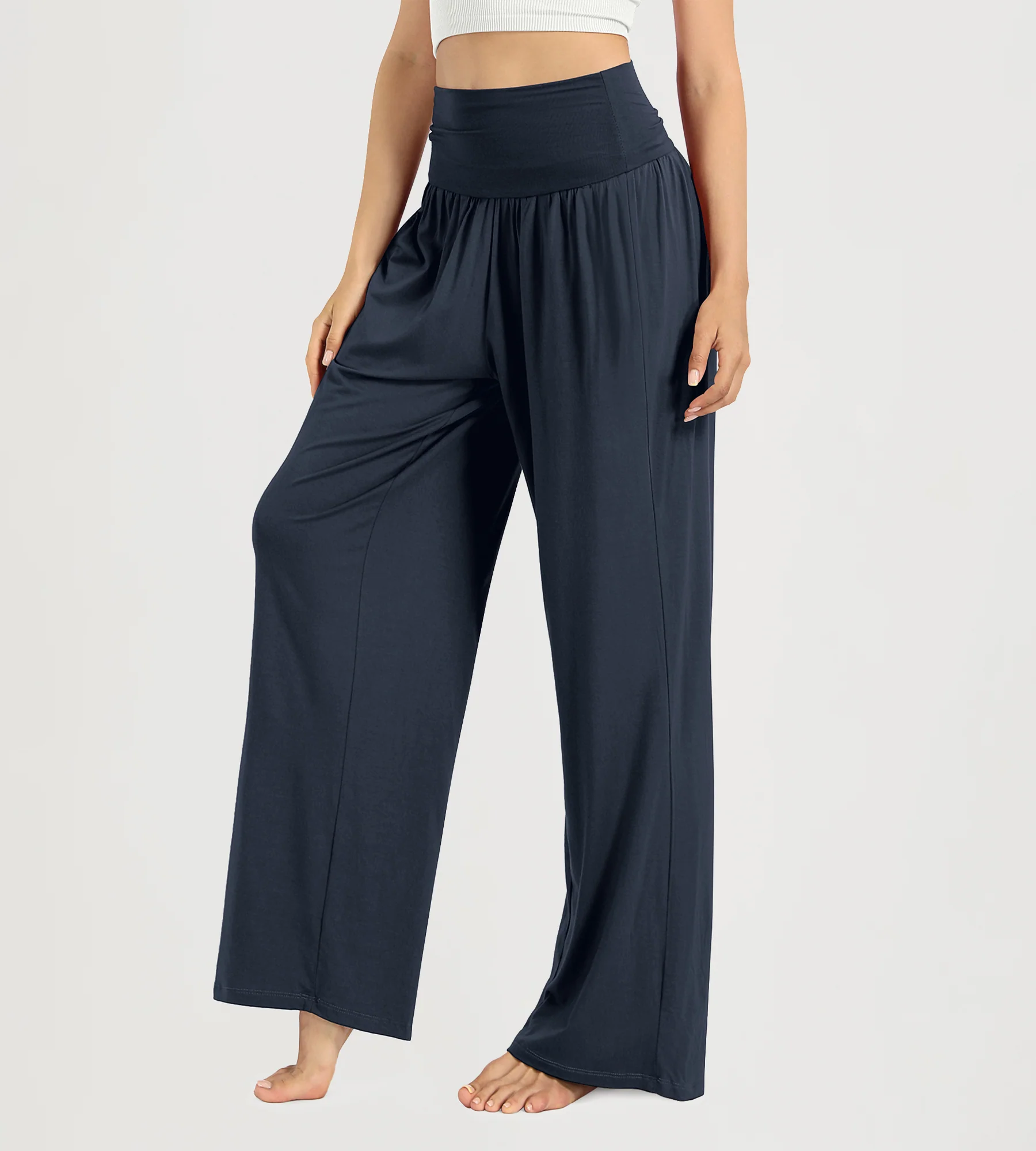
ODODOS is ideal if you:
- want soft, affordable leggings
- prefer online shopping
- rotate multiple pairs
- value comfort over longevity
It may not suit you if you:
- want long-term durability
- prefer in-store fitting
- expect warranty-level service
- value brand story
ODODOS is a product-first, price-driven brand—and that’s exactly why it exists.
FAQs
Q1: Is ODODOS owned by Lululemon?
No. They are completely separate companies.
Q2: Is ODODOS a Chinese company?
Yes, it is privately owned and operated by a China-based team.
Q3: Does ODODOS manufacture its own products?
It works closely with factories but does not publicly disclose vertical ownership.
Q4: Why is ODODOS so cheap?
Because it avoids retail layers and sells directly online.
Build Your Own Value-Driven Activewear Brand With FuKi Yoga
ODODOS proves that direct manufacturing + DTC can reshape pricing in activewear.
If you want to build a brand that:
- controls product cost
- competes with Amazon-first labels
- launches with low MOQs
- balances quality and price
👉 FuKi Yoga → helps founders create private-label activewear, custom leggings, and scalable collections—from idea to production.
Learn more here:
👉 FuKi Yoga OEM/ODM Service →