
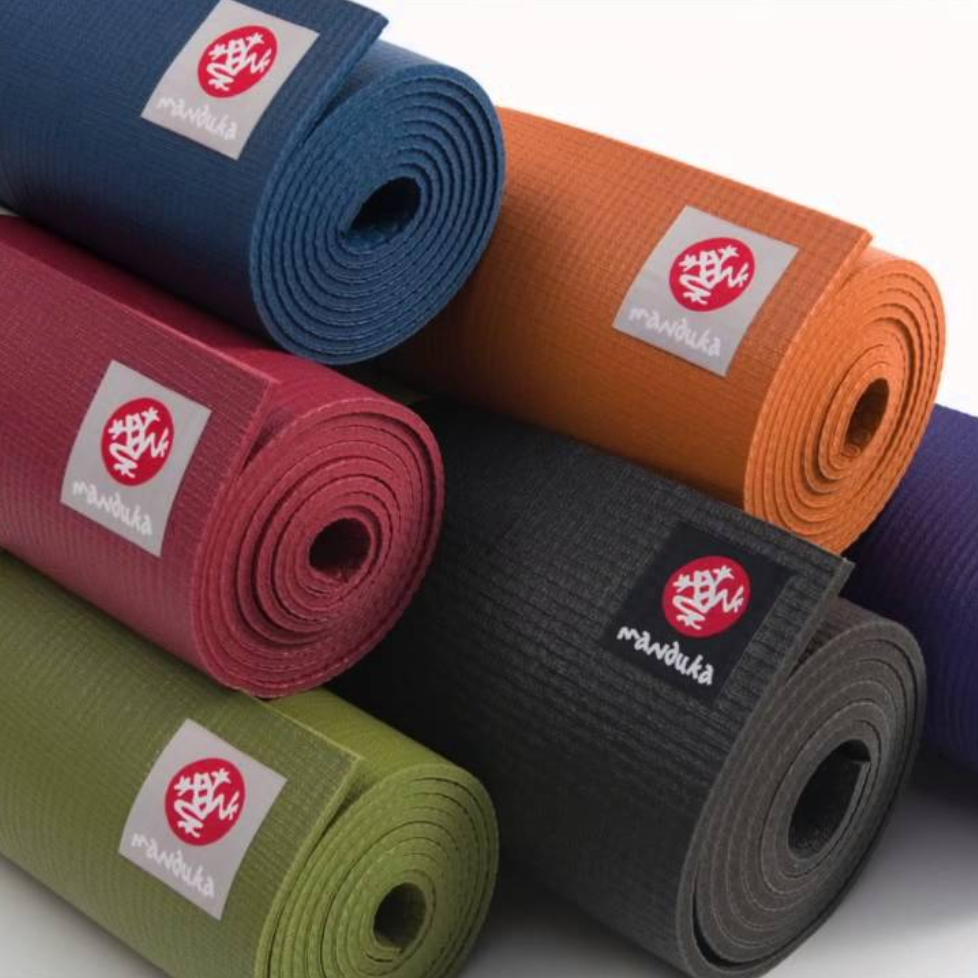
If you’ve ever taken a yoga class — especially in a professional studio — you’ve probably seen Manduka mats everywhere.
Teachers love them, advanced yogis swear by them, and many studios invest in them as their “standard” mat.
So what makes Manduka so widely recommended?
As someone who collaborates with yoga studios and OEM mat suppliers, here’s a simple, clear explanation from real teaching experience + product understanding.
Table of Contents
- Quick Answer
- 1. Why Manduka Is Trusted by Yoga Teachers
- 2. Manduka’s Material Differences
- 3. Comparison: Manduka vs Other Popular Yoga Mats
- 4. Who Should Choose Manduka (and Who Shouldn’t)
- FAQs
- Partnering with FuKi Yoga for High-Quality Yoga Mats
Quick Answer
✅ Yoga teachers recommend Manduka mats because they offer unmatched stability, longevity, grip, and joint support — all of which help students practice safely and comfortably.
They cost more upfront, but last for years (even decades), making them a reliable investment for both teachers and studios.
If you’re building your own yoga equipment line, OEM brands like FuKi Yoga can help produce high-density mats, eco foam, and sustainable rubber alternatives.
1. Why Manduka Is Trusted by Yoga Teachers
Yoga teachers prioritize reliability — especially when teaching multiple classes daily.
Manduka stands out for several key reasons:
1. Exceptional durability
Manduka mats (especially the PRO series) are famous for lasting 10–15+ years.
2. Superior joint and knee support
High-density foam reduces knee pressure, perfect for:
- yin yoga
- long holds
- kneeling transitions
3. Stability for balance poses
The dense structure prevents wobbling — ideal for standing poses and inversions.
4. Safe, non-slip surfaces
Once broken in, the grip becomes extremely reliable under sweat or dry conditions.
5. Eco-conscious production
Manduka uses:
- non-toxic PVC (PRO series)
- biodegradable natural rubber (eKO series)
- low-emission manufacturing
💬 I’ve seen Manduka PRO mats in studios for years — even with daily use, they barely wear down.
2. Manduka’s Material Differences
Manduka offers two main material categories:
1. PRO Series — High-Density PVC
- extremely durable
- ultra-stable
- lifetime warranty
- best for studio teachers
2. eKO Series — Natural Rubber
- biodegradable
- eco-friendly
- great wet grip
- ideal for hot yoga
Fabric & Material Comparison Table
| Series | Material | Grip | Durability | Eco Level | Best For |
|---|---|---|---|---|---|
| PRO | High-density PVC | Medium-dry, strong after break-in | ★★★★★ | Medium | Teachers & studios |
| PROlite | Lighter PVC | Medium | ★★★★☆ | Medium | Home practice |
| eKO | Natural rubber | Wet grip excellent | ★★★★☆ | High | Hot yoga |
| GRP | Rubber + microfiber | Wet grip strongest | ★★★★☆ | High | Sweat-heavy classes |
💬 Manduka’s engineering is what sets it apart — especially compared to cheaper TPE or foam mats.
3. Comparison: Manduka vs Other Popular Yoga Mats
| Brand | Strength | Price Range | Grip | Durability | Best For |
|---|---|---|---|---|---|
| Manduka | Stability + longevity | $88–$150 | ★★★★☆ | ★★★★★ | Studio practice |
| Liforme | Alignment guides + grip | $140–$180 | ★★★★★ | ★★★★☆ | Hot yoga |
| Jade Yoga | Eco rubber feel | $80–$120 | ★★★★☆ | ★★★☆☆ | Eco lovers |
| Gaiam | Budget-friendly | $20–$40 | ★★★☆☆ | ★★☆☆☆ | Beginners |
| FuKi Yoga OEM | Custom mat development | Flexible | Custom | Custom | Private-label brands |
💬 Manduka wins on durability and joint support — which is why teachers rely on it.
4. Who-should-choose-manduka-and-who-shouldnt
✅ Manduka is perfect if:
- You attend regular studio classes
- You want a long-lasting mat
- You need strong joint support
- You prefer stability over softness
- You teach yoga or plan to practice long term
❌ Manduka may not be ideal if:
- You prefer ultra-soft mats
- You want budget pricing (→ try Gaiam)
- You practice sweaty hot yoga only (→ see Liforme or Manduka GRP)
- You need a very lightweight travel mat
FAQs
Q1: Why do yoga teachers prefer Manduka?
Because it’s stable, durable, and supportive for long-term practice.
Q2: Is Manduka better for beginners or experts?
Both — beginners like the support, experts appreciate the stability.
Q3: Do Manduka mats require break-in?
Yes. The PRO series becomes grippier with use.
Q4: Are Manduka mats heavy?
The PRO series is heavier due to density — that’s what adds stability.
Q5: Is Manduka eco-friendly?
The eKO and GRP series use natural rubber and lower-impact materials.
Partnering with FuKi Yoga for High-Quality Yoga Mats
If Manduka inspires you to build a durable, sustainable, or premium yoga mat line,
👉 FuKi Yoga can help produce mats that match your performance and sustainability goals.
Why yoga brands choose us:
- ♻️ Eco mats (natural rubber, cork, TPE, RPET foam)
- 🧵 Logo embossing, alignment graphics, custom colors
- 🌍 Ethical manufacturing (BSCI & WRAP certified)
- 📐 High-density mats ideal for teachers & studios
- 🔁 Private-label packaging + accessories available
💬 We help brands create high-performance yoga mats built for real practice — not just aesthetics.
Explore OEM solutions: FuKi Yoga OEM/ODM →