Table of Contents
- Quick Answer
- 1. Is Lululemon Really “No Longer Popular”?
- 2. Rising Prices Changed How People Feel
- 3. Quality Perception vs. Expectations
- 4. Competition Got Stronger (and Louder)
- 5. Trend Cycles Shifted Away From Tight Fits
- 6. Who Still Loves Lululemon—and Who Doesn’t
- FAQs
- What Brands Can Learn From Lululemon’s Shift
- Build Your Own Next-Phase Activewear Brand With FuKi Yoga
Quick Answer
Lululemon isn’t actually “no longer popular”—but it no longer feels exclusive or trend-leading to everyone.
From my experience working with activewear products and tracking consumer behavior, what changed is perception, not relevance. Lululemon moved from being the disruptor to being the standard—and standards always get questioned.
You can still see its core positioning on
👉 Lululemon
1. Is Lululemon Really “No Longer Popular”?
This question comes up because popularity today is measured differently.
- TikTok trends change weekly
- New brands feel “cooler” faster
- Consumers expect constant novelty
In reality, Lululemon remains one of the most recognized and profitable athleisure brands globally. What’s changed is how people talk about it, not whether people buy it.
2. Rising Prices Changed How People Feel
One of the biggest shifts is price sensitivity.
From a buyer’s perspective:
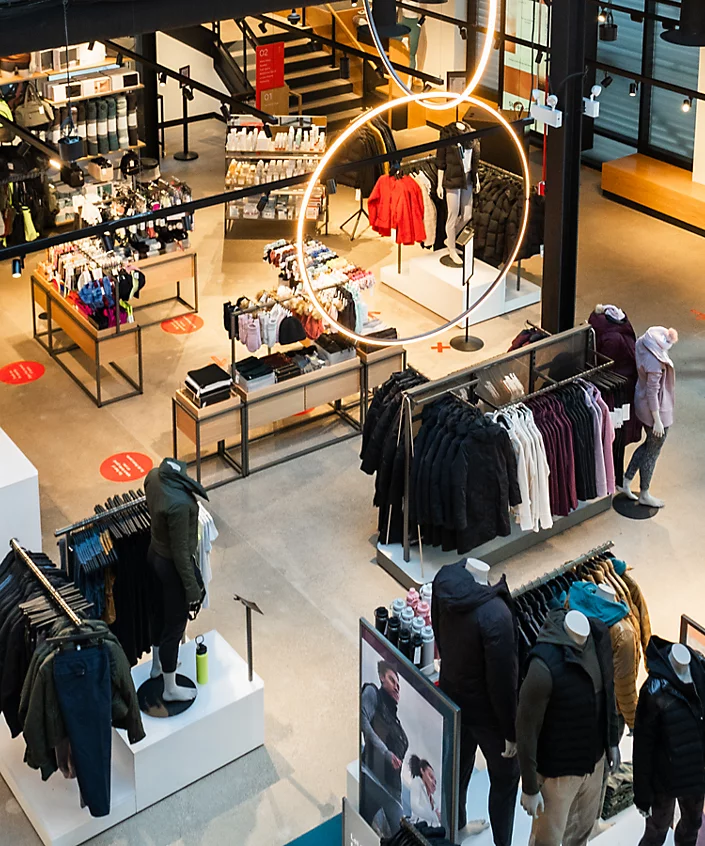
- Define Jackets moved into the $128–$138 range
- Basics now feel “premium-priced”
- Shoppers compare more aggressively
| Then | Now |
|---|---|
| “Worth the splurge” | “Is it still worth it?” |
| Fewer competitors | Many strong alternatives |
| Clear quality gap | Narrower perceived gap |
Higher prices don’t reduce demand—but they raise expectations.
3. Quality Perception vs. Expectations
I often hear: “Lululemon quality isn’t what it used to be.”
In most cases, what’s happening is:
- fabrics shifted toward softer, lighter hand-feel
- stretch-first materials wear differently
- customers expect durability + softness + low price
When expectations rise faster than product evolution, disappointment feels like decline, even if quality hasn’t objectively collapsed.
4. Competition Got Stronger (and Louder)
Lululemon no longer competes alone.
Today’s consumers compare it to:
- newer DTC athleisure brands
- influencer-led labels
- private-label activewear with similar silhouettes
Many alternatives copy:
- fitted jackets
- soft-touch fabrics
- sculpted seams
When the market looks similar, the original brand feels less special, even if it’s still leading.
5. Trend Cycles Shifted Away From Tight Fits
Another big factor: fashion cycles changed.
Recent trends favor:
- relaxed silhouettes
- oversized layers
- streetwear influence
Lululemon’s DNA is still:
- fitted
- sculpted
- body-conscious
That doesn’t make it “outdated”—it just means it’s not aligned with every trend at the same time.
6. Who Still Loves Lululemon—and Who Doesn’t
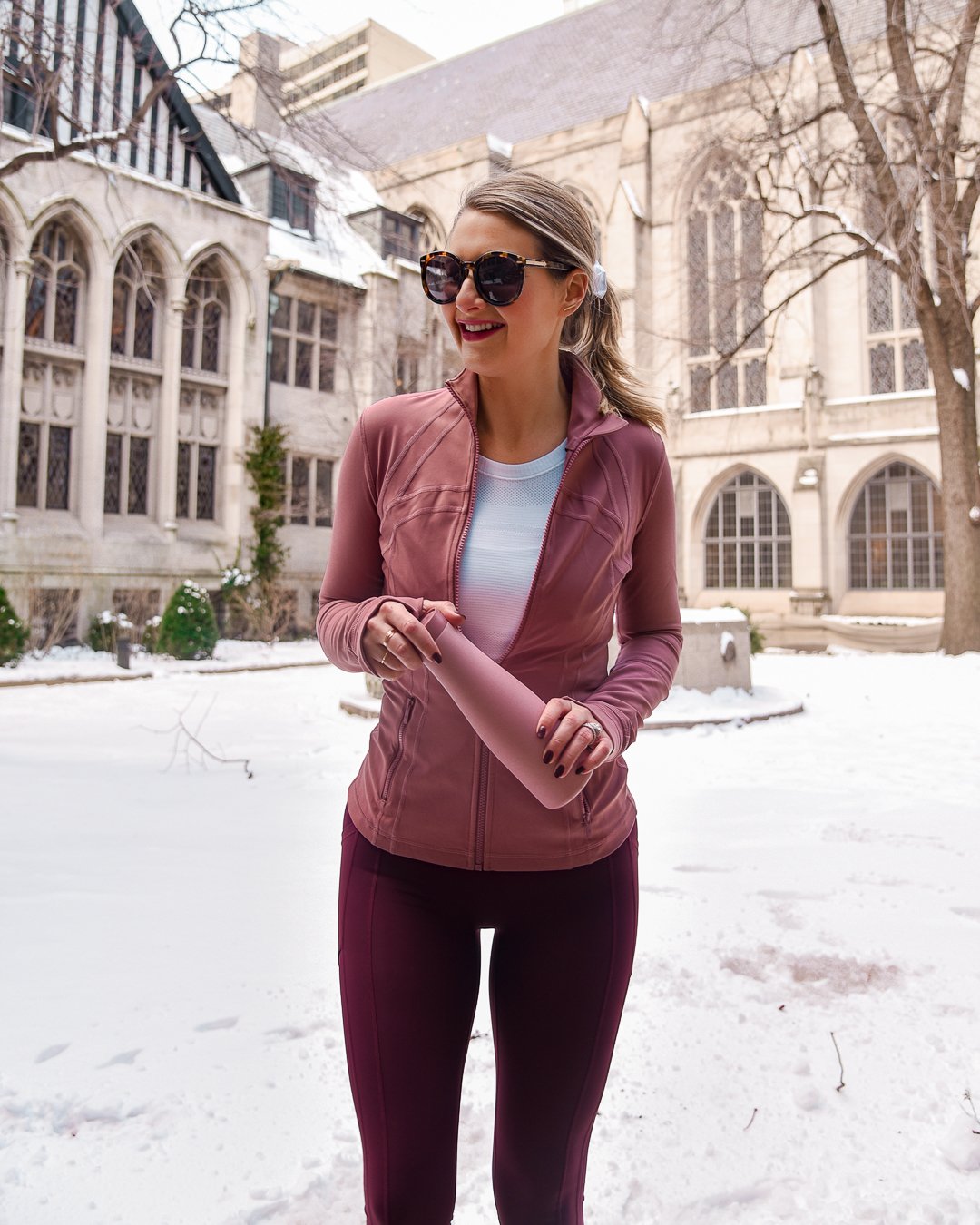
👍 Still Popular With:
- loyal long-term customers
- yoga and low-impact fitness users
- people who value fit consistency
- consumers who want reliability
👎 Less Appealing To:
- trend-first shoppers
- price-sensitive buyers
- people chasing novelty every season
Popularity didn’t disappear—it concentrated.
FAQs
Q1: Is Lululemon losing customers?
Not significantly—but growth feels slower because the brand is mature.
Q2: Is Lululemon still high quality?
Yes, but expectations are higher than ever.
Q3: Why do people say it’s “overhyped” now?
Because it’s no longer new—and hype always fades before relevance does.
Q4: Will Lululemon become popular again?
It never fully stopped—its role just evolved.
What Brands Can Learn From Lululemon’s Shift
From a manufacturing and brand-building perspective, this is the key lesson:
When a brand becomes the benchmark, it stops feeling exciting—but it becomes trusted.
That’s not failure. That’s category leadership.
Build Your Own Next-Phase Activewear Brand With FuKi Yoga
Lululemon’s journey shows how important it is to:
- balance trend and consistency
- manage pricing vs. perception
- design products for long-term wear, not just hype
If you’re building an activewear brand and want to:
- create Define-style jackets or athleisure pieces
- control fabric feel, fit, and durability
- grow without chasing every trend
👉 FuKi Yoga supports custom activewear development with low-MOQ OEM/ODM solutions.
What We Help With
- fabric strategy & testing
- fitted and relaxed pattern development
- private label branding
- scalable, quality-focused production
Start here:
👉 FuKi Yoga OEM/ODM Service →