
When people talk about premium yoga apparel, Lululemon is usually the first name that comes up. But what makes it so dominant — the fabrics, the marketing, or the lifestyle behind it?
As someone who’s worked directly with yoga and activewear manufacturers, I wanted to look past the hype to see why Lululemon continues to lead the market — and what smaller yoga brands can learn from its strategy.
Table of Contents
- Quick Answer
- 1. The Secret Behind Lululemon’s Popularity
- 2. What Makes Lululemon Fabrics So Unique
- 3. Ethical Manufacturing & Brand Values
- 4. Comparing Lululemon to Other Yoga Brands
- 5. Who Should Choose Lululemon (and Who Shouldn’t)
- FAQs
- Partnering with FuKi Yoga for Your Own Premium Yoga Line
Quick Answer
✅ Lululemon is the go-to yoga brand because of its unmatched fabric innovation, community-driven culture, and premium positioning.
It’s not just about leggings — it’s about lifestyle.
Still, not everyone needs to pay $120 for leggings. If you’re building a high-quality yoga line with similar standards, FuKi Yoga offers OEM production with sustainable, customizable fabrics.
1. The Secret Behind Lululemon’s Popularity
Here’s why Lululemon continues to dominate the yoga market:
- 💡 Innovation-driven design — They pioneered “Athleisure” before it was a trend.
- 🧘 Community engagement — Lululemon ambassadors and yoga studios strengthen brand loyalty.
- 💬 Emotional storytelling — Their marketing focuses on empowerment and mindfulness, not discounts.
- 💎 Product consistency — Every collection has the same fit, stretch, and comfort customers expect.
💬 From my experience collaborating with yoga wear brands, Lululemon succeeds because it blends technology, comfort, and culture into one seamless experience.
2. What Makes Lululemon Fabrics So Unique
Lululemon’s biggest differentiator is its proprietary fabric technology. They invest heavily in material science — especially for yoga comfort and stretch recovery.
| Fabric Name | Core Feature | Used In | Performance Benefit |
|---|---|---|---|
| Luon™ | Soft, cotton-like handfeel | Yoga pants, tops | Four-way stretch, breathable |
| Nulu™ | Buttery-soft, lightweight | Align leggings | Second-skin comfort |
| Everlux™ | Fast-drying, cool feel | Hot yoga wear | Sweat-resistant |
| Nulux™ | Smooth, slick finish | Running tights | Quick-dry + compression |
| Warpstreme™ | Wrinkle-resistant | Everyday pants | Retains shape & polish |

💬 These fabrics are what make customers feel the difference.
When I’ve tested similar compositions for OEM projects, Nulu-type blends (nylon + Lycra® + brushed finish) give that same “luxury yoga feel” — achievable through custom OEM sourcing at FuKi Yoga.
3. Ethical Manufacturing & Brand Values
Lululemon has invested in ethical transparency — but like most global brands, it still has room to improve.
| Focus Area | Current Practice | Room for Growth |
|---|---|---|
| Ethical sourcing | Partnered factories in 26 countries | Limited local production |
| Women empowerment | Global “Power of She” initiatives | Expand leadership programs |
| Sustainability | Targeting 100% renewable energy by 2030 | Replace all virgin nylon |
| Transparency | Annual sustainability reports | Needs third-party certification |
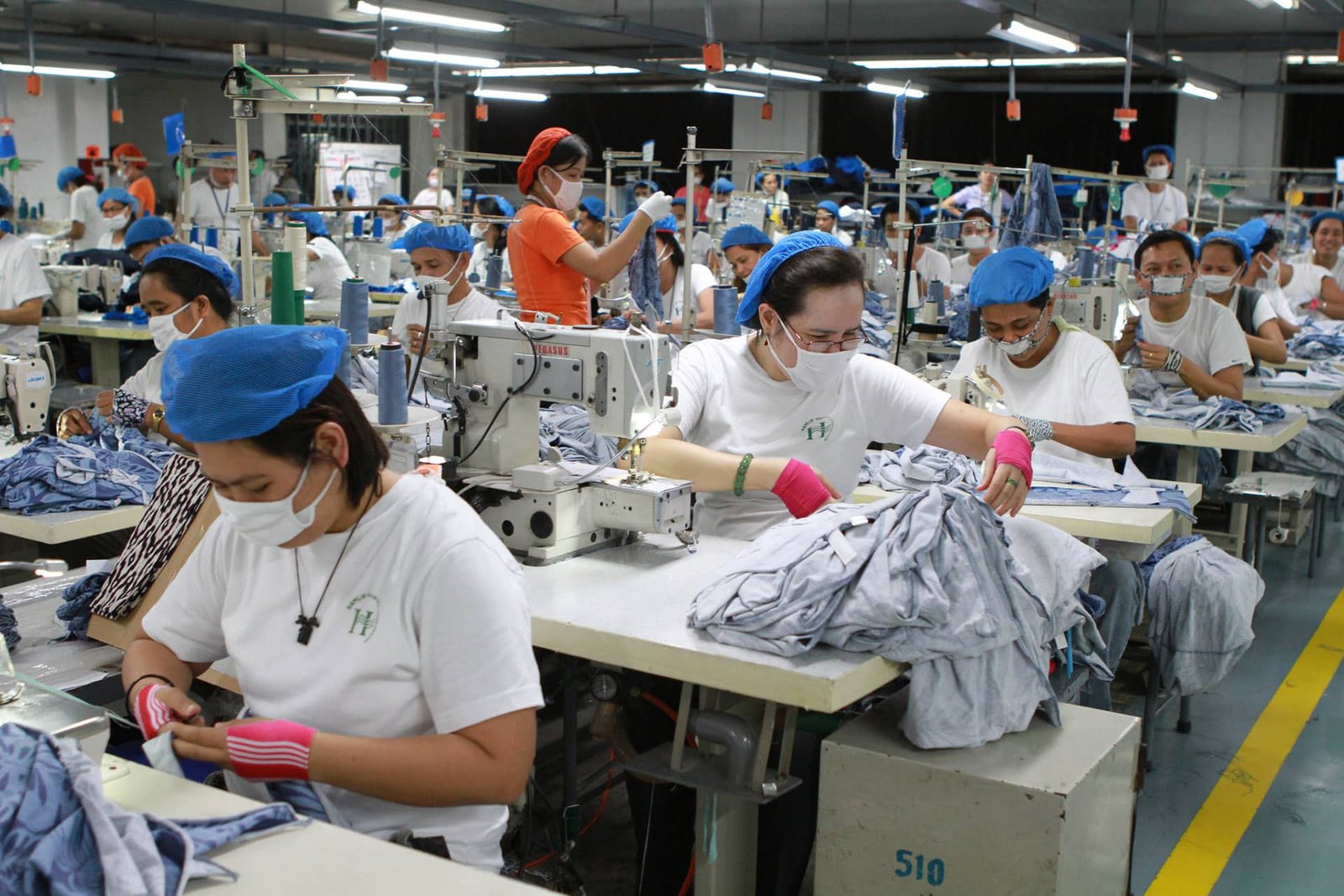
💬 In my view, they’ve made serious progress since 2018 — and smaller OEM partners can now mirror that ethical model with certified factories, such as BSCI and WRAP, which we also maintain at FuKi Yoga.
4. Comparing Lululemon to Other Yoga Brands
| Brand | Fabric Focus | Price Range | Country of Manufacture | Best For |
|---|---|---|---|---|
| Lululemon | Proprietary fabrics (Luon™, Nulu™) | $80–$150 | Global | Premium yoga & lifestyle |
| Alo Yoga | Glossy luxe fabrics | $70–$140 | Vietnam | Trend-led yoga fashion |
| Athleta | Recycled, Fair Trade Certified™ | $60–$130 | Global | Ethical performancewear |
| Vuori | Soft brushed knit blends | $70–$120 | Vietnam | Casual activewear |
| FuKi Yoga (OEM) | Custom sustainable blends | Flexible | China/Vietnam | Private-label eco yoga brands |
💬 Insight: Lululemon leads in comfort and innovation, but it’s not untouchable.
With the right OEM collaboration, smaller brands can recreate premium texture and function without luxury-level pricing.
5. Who Should Choose Lululemon (and Who Shouldn’t)
✅ Perfect for you if:
- You value premium quality and long-term wear.
- You practice yoga daily and prefer “barely-there” comfort.
- You resonate with wellness-focused branding.
🚫 Maybe not ideal if:
- You’re on a tighter budget or prefer minimalist branding.
- You prioritize fully recycled fabrics.
- You’re developing your own label (in that case → FuKi Yoga OEM).
FAQs
Q1: Why is Lululemon more expensive than other yoga brands?
Because of proprietary fabrics, research, and long-term durability.
Q2: Are Lululemon clothes sustainable?
They’re improving — introducing recycled nylon and responsible sourcing programs.
Q3: What makes Lululemon leggings so comfortable?
It’s their signature Nulu™ and Luon™ fabrics — ultra-soft with four-way stretch.
Q4: Are there affordable alternatives to Lululemon?
Yes — OEM partners like FuKi Yoga produce similar performance leggings at startup-friendly MOQs.
Partnering with FuKi Yoga for Your Own Premium Yoga Line
If you’re inspired by Lululemon’s success and want to create your own yoga brand,
👉 FuKi Yoga can help you build it — sustainably and affordably.
Why work with us:
- 🌿 Certified eco fabrics: RPET, bamboo, organic cotton, Lycra® blends
- 🧵 Low-MOQ OEM/ODM production for startups
- 🌍 Ethical factories: BSCI, WRAP verified
- 🪡 Custom pattern development for yoga and athleisure brands
💬 We believe true quality comes from craftsmanship — not just branding.
Start your own mindful activewear line today:
Explore FuKi Yoga OEM Services →